

Counterfeit 2026 World Cup Merchandise Floods Mexico City Markets
Translated from Spanish, summarized and contextualized by DistantNews.
At a glance
News
Sources not specified
Context piece
- Counterfeit merchandise for the 2026 World Cup is flooding markets in Mexico City's Tepito and Historic Center.
- Authorities are cracking down on the sale of unauthorized goods, including jerseys, balls, and accessories.
- The influx of fake products poses a challenge to official distributors and intellectual property rights.
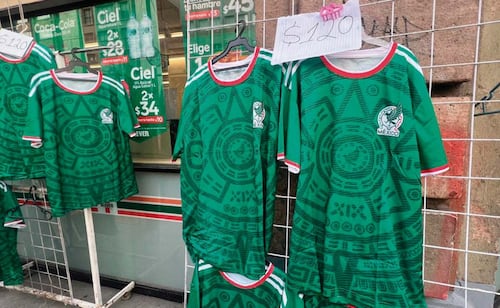
Mexico City's bustling markets of Tepito and the Historic Center are awash with counterfeit merchandise ahead of the 2026 World Cup. Unauthorized replicas of jerseys, soccer balls, and various accessories are readily available, drawing attention from authorities.
Officials are intensifying efforts to combat the widespread sale of these pirated goods. The operation targets vendors and distributors involved in the illicit trade, aiming to curb the flow of fake products that undermine official sales channels and violate intellectual property rights. The sheer volume of counterfeit items presents a significant challenge to organizers and licensed retailers.
The proliferation of these unauthorized goods highlights a persistent issue in popular markets, where demand for event-related merchandise often outstrips the supply of official products, creating an environment ripe for counterfeiting. Authorities are working to seize illegal stock and penalize those involved in the distribution network.
DistantNews Editorial
Originally published by El Universal in Spanish. Translated, summarized, and contextualized by our editorial team with added local perspective. Read our editorial standards.
More Stories
From Our Blog

What Press Freedom Means for the News You Read

What Gets Lost (and Found) When News Is Translated

The Critical Role of Diaspora Media in Global News

What Travellers Should Know About Countries with Restricted Press

A Digital Nomad's Guide to Following Local News
