


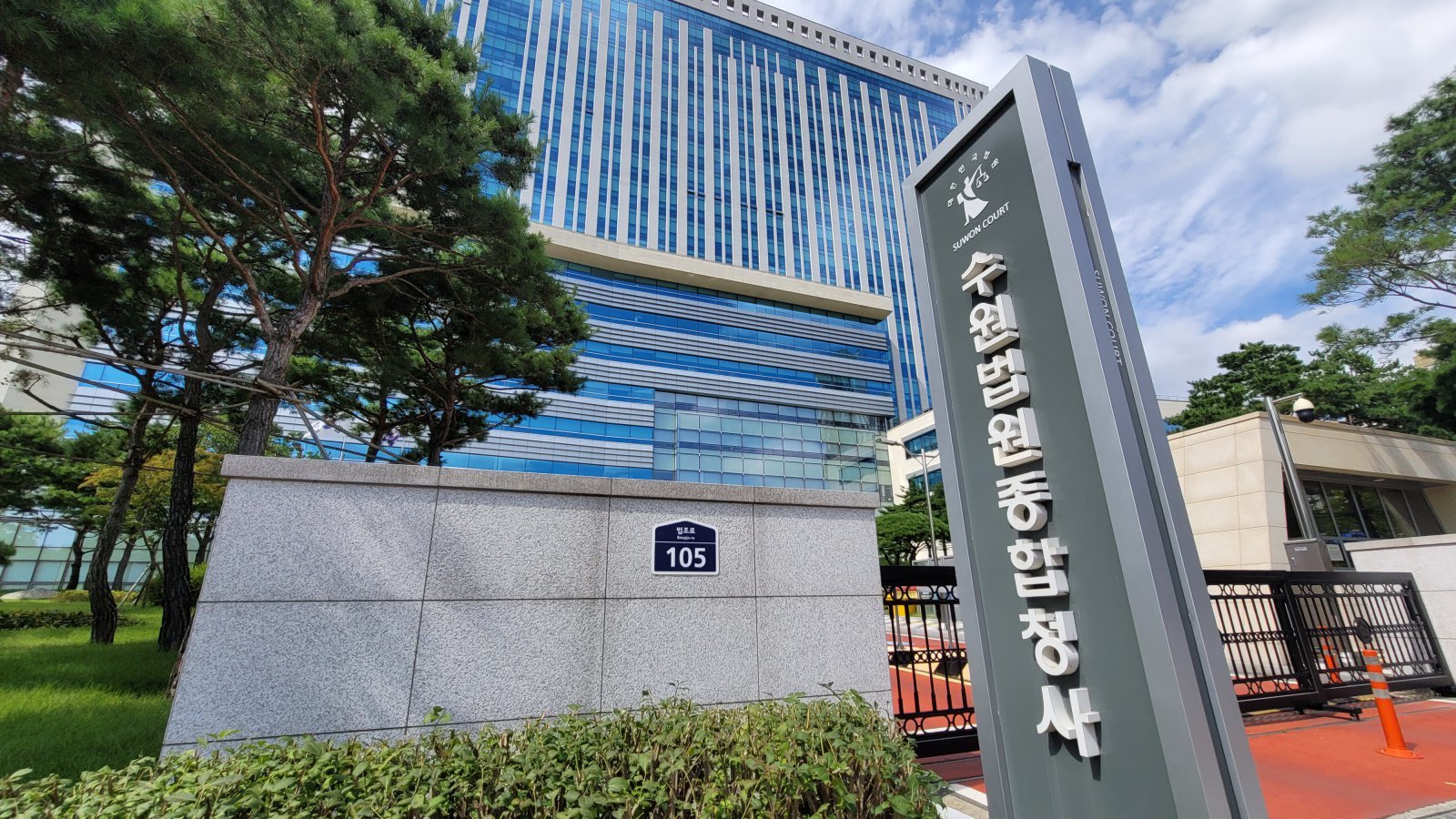
Court partially grants Samsung's request, limits ex-employees' move to SK Hynix
Translated from Korean, summarized and contextualized by DistantNews.
At a glance
News
Named sources
In the courts
- A South Korean court partially granted Samsung Electronics' request to prevent former employees from joining SK Hynix.
- The court prohibited two key employees from the memory division from working for SK Hynix or its affiliates until April 30, 2027.
- The ruling acknowledges the national importance of the technology and the need to protect trade secrets in the competitive semiconductor industry.
A South Korean court has partially upheld Samsung Electronics' request to prevent two key former employees from its memory division from joining rival SK Hynix. The Suwon District Court ruled that the employees, identified as A and B, are prohibited from taking up employment or providing consulting services to SK Hynix and its affiliated companies until April 30, 2027.
The related technology corresponds to core national technology or national advanced strategic technology, and its protection value is even greater.
The court also mandated that if the employees violate this injunction, they must pay Samsung Electronics 5 million won per day. The employees in question were middle managers who had worked in Samsung's memory division for about a decade, specializing in NAND flash memory design. They resigned from Samsung in October last year and joined SK Hynix in February.
The defendants are understood to have possessed information regarding product design as middle managers, which constitutes trade secrets or technical know-how.
In its ruling, the court recognized that NAND flash memory design constitutes a core national technology. It acknowledged Samsung's need to protect its technological information through non-compete agreements, given the employees' positions and detailed knowledge of the technology. The court emphasized the significant value of this technology, classifying it as a core or advanced strategic national technology.
In a situation where competition in the semiconductor field is fierce, there is a need to establish fair market order.
While the court acknowledged that the non-compete agreement limits the employees' freedom of occupation, it stated this alone does not invalidate the agreement. However, the court reduced the non-compete period from the requested two years to one year and six months from their resignation date. This adjustment considered that the compensation and working conditions provided by Samsung might not have been sufficient to justify a two-year ban, and acknowledged the difficulty for the employees to find work in other fields given their specialized expertise.
Even if the non-compete agreement partially restricts the defendant's freedom of occupation, it cannot be deemed invalid solely on that basis.
DistantNews Editorial
Originally published by Dong-A Ilbo in Korean. Translated, summarized, and contextualized by our editorial team with added local perspective. Read our editorial standards.
More Stories

From Our Blog

What Gets Lost (and Found) When News Is Translated

The Critical Role of Diaspora Media in Global News

What Travellers Should Know About Countries with Restricted Press

A Digital Nomad's Guide to Following Local News

How the Same Story Looks Different in Different Countries
