

Credibility and autonomy are key for new attorney general, analysts say
Translated from Spanish, summarized and contextualized by DistantNews.
TLDR
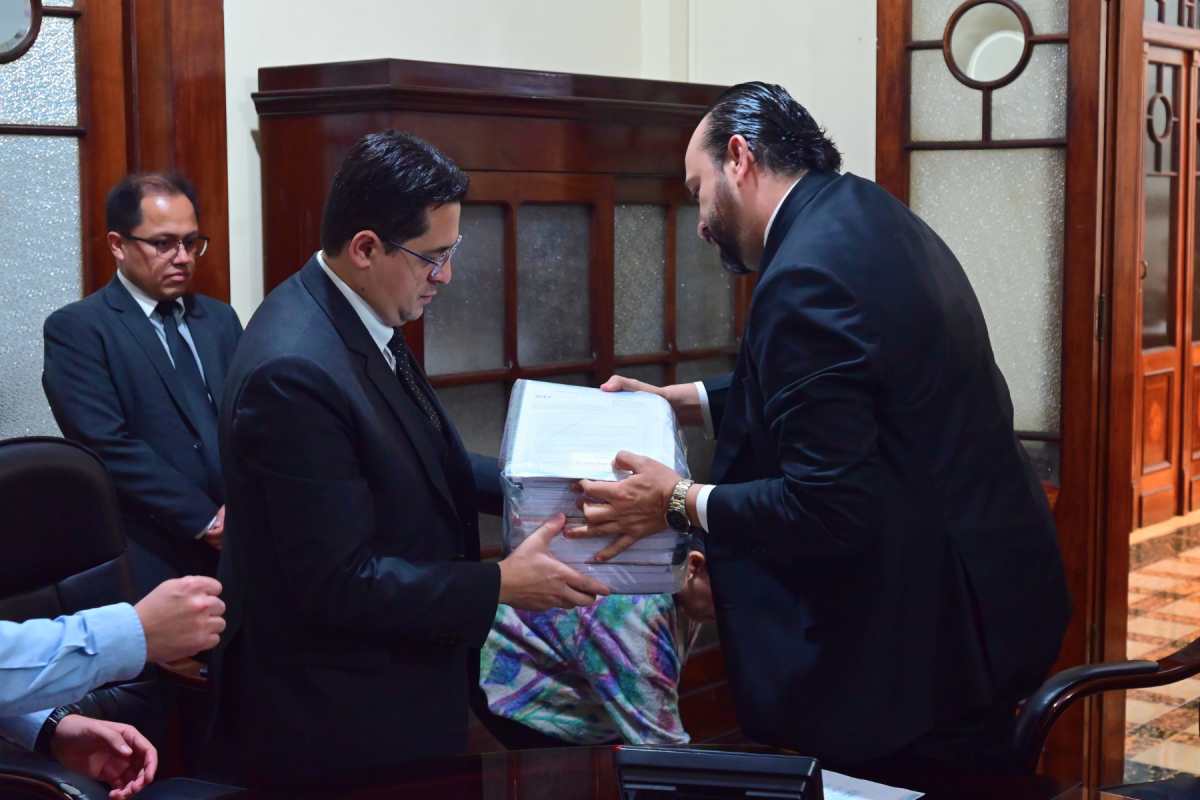
- A commission has submitted a final list of six candidates for the new Attorney General and Head of the Public Ministry to Guatemalan President Bernardo Arévalo.
- The list includes professionals such as Beyla Adaly Estrada Barrientos and César Augusto Ávila Aparicio, but notably excludes the current Attorney General, María Consuelo Porras.
- Analysts suggest the list presents a mix of candidates, with some potentially representing continuity and others a move towards reform within the Public Ministry.
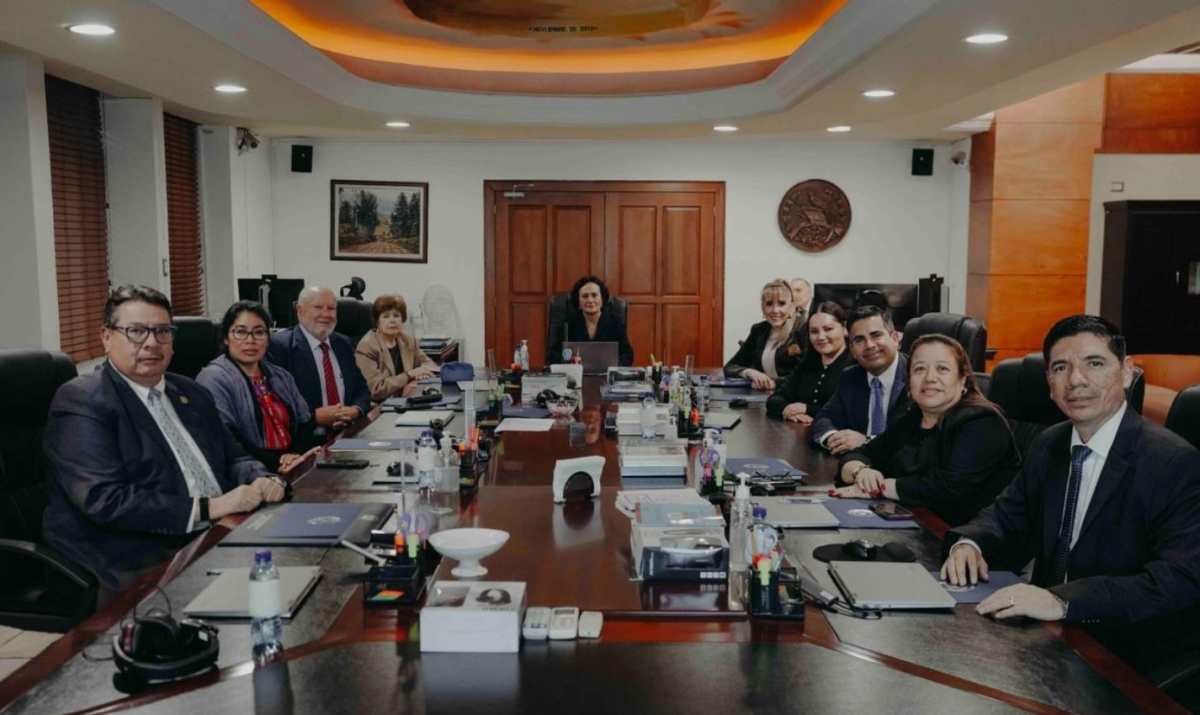
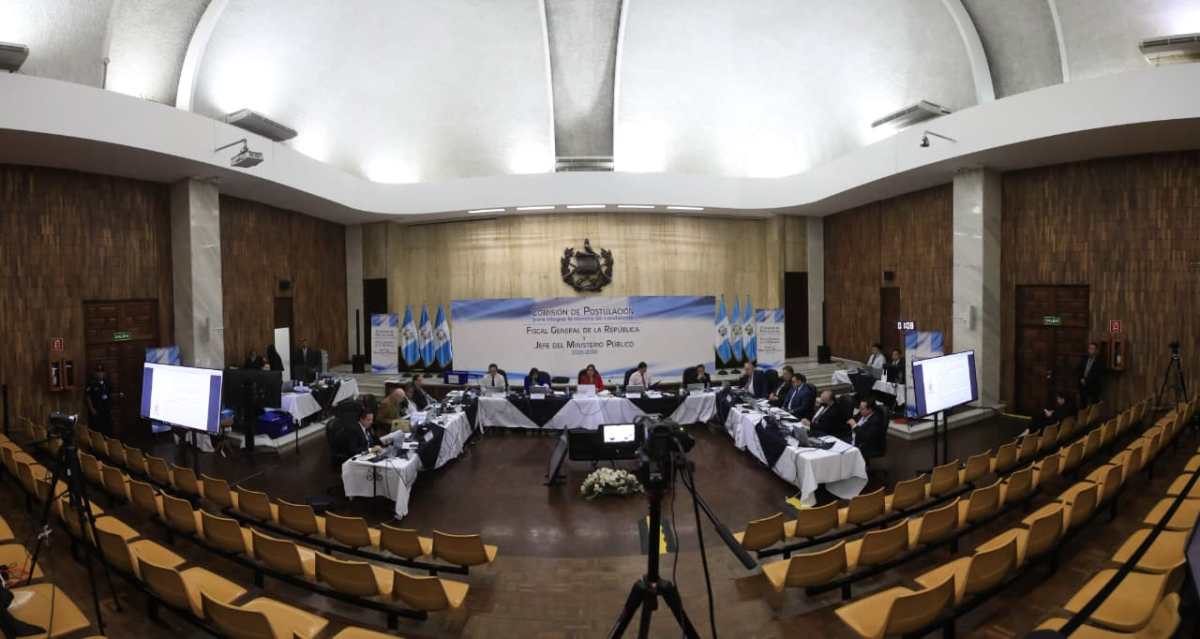
Guatemala's quest for a new Attorney General has reached a critical juncture as the postulation commission delivered its final list of six candidates to President Bernardo Arévalo. This selection process is pivotal for the nation, as the Attorney General's office wields significant power in upholding justice and combating corruption. The composition of this final list, and ultimately the President's choice, will signal the direction the country is heading in its pursuit of institutional strengthening.
There is a balance within the list, as although profiles that the president 'would have wanted' were not included to facilitate his decision, others that the president 'would not have wanted' within the list were also not included, such as the current attorney general, Consuelo Porras.
Notably absent from the final slate is the current Attorney General, María Consuelo Porras, whose tenure has been marked by controversy and accusations of obstructing justice. Her exclusion, despite reportedly achieving the highest score in evaluations, suggests a potential shift away from the status quo. However, analysts like Christa Walters of the Movimiento Cívico Nacional (MCN) point out that the list contains a balance, with some candidates possibly aligning with the current administration's approach, while others may offer a more technical or independent profile.
There are some who perhaps have a slightly higher profile, because they have been in a political party, or perhaps others who in their work or their career have handled cases that have received more media attention; but I think that is balanced by the other half of the candidates, who perhaps have a lower profile but are quite technical.
Political scientist Renzo Rosal further elaborates on this dynamic, identifying two candidates who appear capable of leading the Public Ministry with independence, contrasting them with four others who might represent a continuation of previous models. Carmen Aída Ibarra of Movimiento ProJusticia also discerns distinct groups within the nominees, noting that some candidates may align with specific political interests. From a Guatemalan perspective, the challenge lies in discerning which candidate possesses the integrity, autonomy, and technical expertise to truly serve the public interest, rather than perpetuate a system perceived by many as compromised. The President's decision will be closely scrutinized as a litmus test for his administration's commitment to transparency and the rule of law.
While the attorney general is ineligible, as she was left out. There are at least four profiles that respond to her same model, her same logic, which bets on continuity, and we would say that there are two candidates who bet, on the contrary, on a kind of recovery of the Public Ministry.
DistantNews Editorial
Originally published by Prensa Libre in Spanish. Translated, summarized, and contextualized by our editorial team with added local perspective. Read our editorial standards.
More Stories
From Our Blog

What Gets Lost (and Found) When News Is Translated

The Critical Role of Diaspora Media in Global News

What Travellers Should Know About Countries with Restricted Press

A Digital Nomad's Guide to Following Local News

How the Same Story Looks Different in Different Countries
