


Crete's Antikristo: A Centuries-Old Tradition of Roasting Lamb Around a Fire
Translated from Romanian, summarized and contextualized by DistantNews.
At a glance
In-depth
Sources not specified
Context piece
- A traditional Cretan lamb cooking method called 'antikristo' involves slow-roasting meat vertically around an open fire.
- Originating from shepherds in the mountains, the technique emphasizes simplicity and uses minimal ingredients like coarse sea salt.
- This centuries-old tradition is now celebrated in local events, bringing communities together with food, music, and shared experiences.
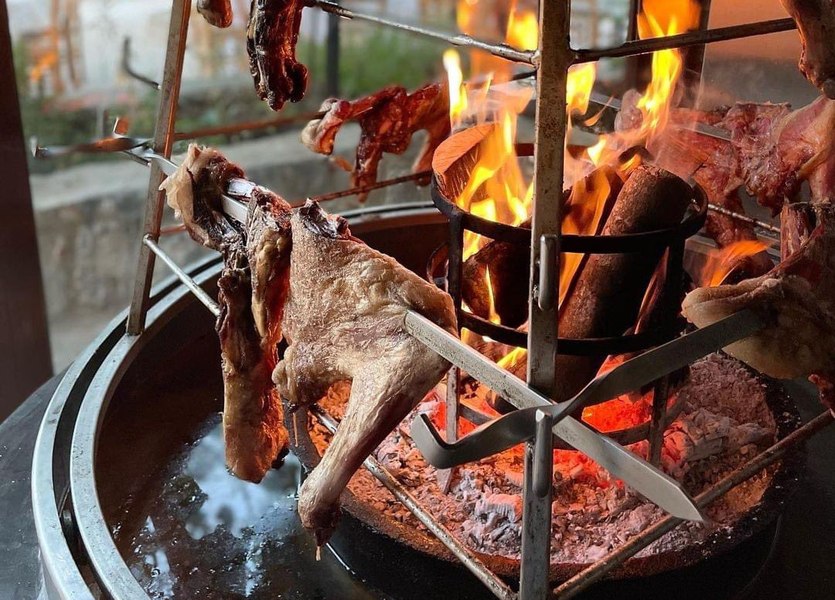
In the mountainous village of Anogeia, Crete, a culinary tradition stretching back centuries continues to thrive: 'antikristo.' This unique method involves slow-roasting lamb vertically on wooden stakes arranged in a circle around an open fire. Unlike conventional grilling, the meat is positioned to cook gently from the heat radiating from the flames, preserving its juices and minimizing flare-ups from dripping fat. The result is tender, flavorful lamb, a testament to a cooking style born out of necessity and simplicity.
The origins of antikristo lie with shepherds who spent long periods in the remote mountains of Crete. Lacking sophisticated equipment, they developed this practical method using readily available resources: a fire, wooden stakes, meat, and coarse sea salt. The technique requires patience and skill, particularly in controlling the fire and positioning the meat at the optimal distance to achieve a perfect roast. This knowledge has been passed down through generations, with experience being the key to mastering the subtle art of antikristo.
What began as a practical way to prepare food for shepherds has evolved into a cherished community tradition. Antikristo is now a centerpiece of local festivals, weddings, and gatherings, uniting villagers and visitors alike. These celebrations often feature traditional music and communal dining, reinforcing the cultural significance of the dish. The method, deeply rooted in the pastoral life of Crete, continues to be a vibrant symbol of the island's heritage, showcasing a connection between food, tradition, and community.
DistantNews Editorial
Originally published by Adevărul in Romanian. Translated, summarized, and contextualized by our editorial team with added local perspective. Read our editorial standards.
More Stories

From Our Blog

What Gets Lost (and Found) When News Is Translated

The Critical Role of Diaspora Media in Global News

What Travellers Should Know About Countries with Restricted Press

A Digital Nomad's Guide to Following Local News

How the Same Story Looks Different in Different Countries
