


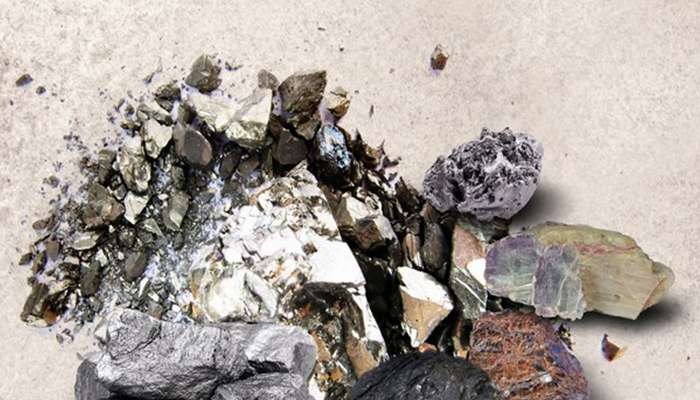
Critical mineral demand to surge through 2040, supply gaps to persist: IEA
Summarized and contextualized by DistantNews.
At a glance
News
Sources not specified
Context piece
- Global demand for critical minerals is projected to surge through 2040, driven by clean energy technologies like EVs and battery storage.
- Persistent supply gaps for key minerals such as copper and lithium are expected, requiring over $750 billion in mining and refining investments by 2040.
- Refining and downstream processing remain highly concentrated, particularly in China, posing a risk of bottlenecks despite increased mining capacity.
Global demand for critical minerals is poised for significant growth through 2040, fueled by the accelerating transition to electric vehicles, battery storage, renewable energy sources, and expanded electricity networks. However, this surge in demand is expected to be met with persistent supply challenges for essential minerals like copper and lithium.
meeting future demand will require more than USD 750 billion in investment in mining and refining between now and 2040 under the Stated Policies Scenario (STEPS).
The International Energy Agency (IEA) estimates that meeting future demand will necessitate over $750 billion in investments for mining and refining by 2040, under the Stated Policies Scenario (STEPS). Copper is projected to require the largest share of this investment, approximately $310 billion, followed by nickel at $280 billion. Lithium demand alone is expected to more than triple, while graphite demand will double, and nickel demand will increase by 65%. Rare earth demand is anticipated to rise by about 50%, and copper demand by over 25%, adding roughly 7 million tonnes annually.
Copper is expected to account for the largest share of investment at about USD 310 billion, followed by nickel at USD 280 billion.
Despite a growing pipeline of new mining projects, the IEA warns that supply gaps for copper and lithium could persist until at least 2035. A potential gap for cobalt is also emerging, partly due to export quotas from the Democratic Republic of Congo. While the nickel supply outlook has tightened, the greater vulnerability lies further down the supply chain.
The IEA projects lithium demand to more than triple by 2040 under STEPS, while graphite demand is expected to double and nickel demand to increase by 65 per cent.
Refining and downstream processing remain heavily concentrated geographically, with China dominating global markets. China currently accounts for nearly 50% of global copper refining, 70% of lithium refining, 75% of cobalt refining, 85% of magnet rare-earth separation, and over 90% of battery-grade graphite production. This concentration risks creating bottlenecks, even as new mining capacity comes online. The IEA suggests that timely policies supporting investment in refining, processing, and recycling are crucial for developing more balanced and resilient critical mineral supply chains.
Despite a growing pipeline of mining projects, the agency said supply gaps for copper and lithium could remain through 2035.
DistantNews Editorial
Originally published by Times of Oman. Summarized and contextualized by our editorial team with added local perspective. Read our editorial standards.
More Stories

From Our Blog

What Gets Lost (and Found) When News Is Translated

The Critical Role of Diaspora Media in Global News

What Travellers Should Know About Countries with Restricted Press

A Digital Nomad's Guide to Following Local News

How the Same Story Looks Different in Different Countries
