


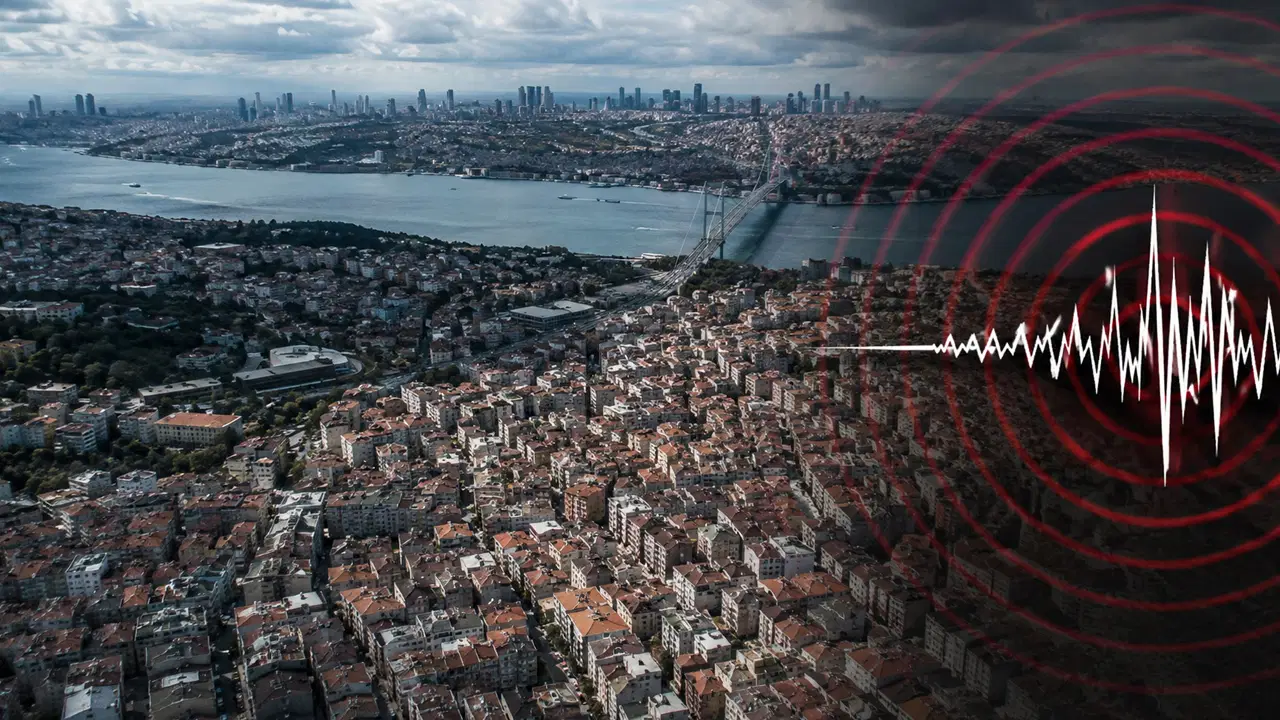
Critical warning for Marmara: 'Islands Fault is not dead, it produces earthquakes,' says expert
Translated from Turkish, summarized and contextualized by DistantNews.
At a glance
News
Sources not specified
Ongoing story
- A critical warning has been issued for the Marmara Sea region regarding seismic activity.
- Professor Dr. Osman Bektaş stated that the Islands Fault is not dead but active and capable of producing earthquakes.
- This statement comes amid micro-earthquake activity around the Islands near Istanbul, reigniting debate among experts.
A stark warning has been issued for the Marmara Sea, with Professor Dr. Osman Bektaş asserting that the Islands Fault is actively producing earthquakes. This declaration challenges the prevailing view among some experts who considered the fault to be dormant.
Bektaş explicitly stated, "The Islands Fault is not dead; it is an active, slipping fault that produces earthquakes." His assessment comes in the wake of recent micro-earthquake activity observed around the Islands near Istanbul. This seismic movement has revived a debate among geologists and seismologists regarding the fault's potential for generating significant tremors.
The discussion centers on the "dead fault" theory, which posits that certain geological faults have ceased to be active. However, Bektaş's findings suggest that the Islands Fault remains a live threat. The potential magnitude of an earthquake that this fault could produce is now a critical question for the region's preparedness.
The Islands Fault is not dead; it is an active, slipping fault that produces earthquakes.
DistantNews Editorial
Originally published by Cumhuriyet in Turkish. Translated, summarized, and contextualized by our editorial team with added local perspective. Read our editorial standards.
More Stories

From Our Blog

What Gets Lost (and Found) When News Is Translated

The Critical Role of Diaspora Media in Global News

What Travellers Should Know About Countries with Restricted Press

A Digital Nomad's Guide to Following Local News

How the Same Story Looks Different in Different Countries
