


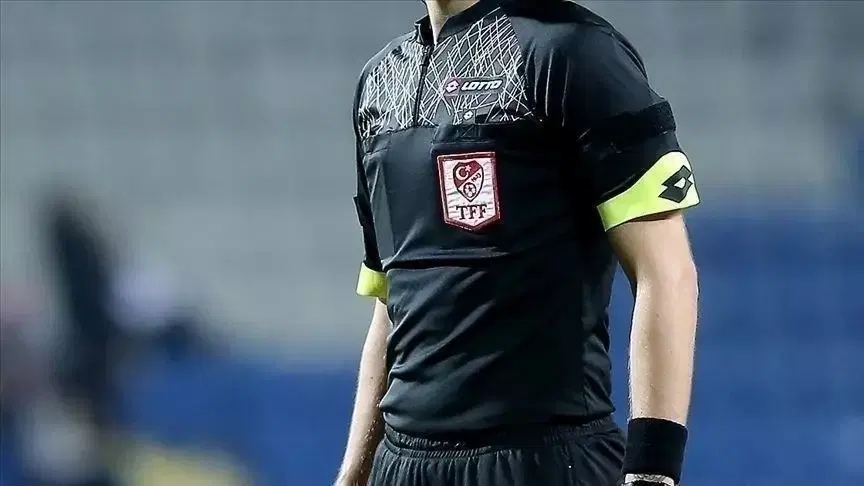
Criticizing football referees is a right, European court rules
Translated from English, summarized and contextualized by DistantNews.
At a glance
News
Sources not specified
Outcome reported
- The European Court of Human Rights ruled that criticizing football referees is protected by freedom of speech.
- However, suggesting officials are corrupt or criminal crosses the line, according to the court.
- The ruling came in cases involving Porto football club, which had challenged punishments for media criticism of referees.
Criticizing and insulting football referees falls under the protection of freedom of speech, but accusing them of corruption or criminal activity goes too far, the European Court of Human Rights (ECHR) ruled Tuesday. The Strasbourg-based court considered a series of cases brought by Porto football club and two of its former officials.
Mere refereeing errors or irregularities, even if they are numerous or repeated over time, do not constitute, on their own, sufficient evidence of the existence of the scheme alleged by the applicants.
These cases stemmed from punishments imposed by Portuguese football authorities and courts. The punishments targeted media outlets owned by Porto for their attacks on named referees and the refereeing system, particularly after matches involving their rival, Benfica. The European Court rejected Porto's position in most cases that involved "accusations of corruption and match manipulation."
The judgment stated, "Mere refereeing errors or irregularities, even if they are numerous or repeated over time, do not constitute, on their own, sufficient evidence of the existence of the scheme alleged by the applicants." It noted that Portuguese courts had referred to "conspiracy theories" and that such assumptions were made "without a minimal factual basis."
Therefore, such speculative connections or assumptions were made by the applicants and conveyed to the wider public without a minimal factual basis.
However, the court ruled in favor of the club newsletter Dragoes Diario for a 2019 article. This article stated a named official "has a problem with impartiality" and "had a career as a referee full of untenable decisions" before becoming a VAR official, continuing "the same shameful path." The ECHR deemed this acceptable "fan talk," describing the statements as "value judgements about a referee’s performance." The court acknowledged that referees in high-profile competitions face public scrutiny and may be subject to wider limits of acceptable criticism than ordinary citizens.
Those statements were value judgements about a referee’s performance.
The ECHR found that Portuguese punishments for these specific remarks violated Article 10 of the European Convention on Human Rights, concerning freedom of expression. Consequently, it ordered Portuguese authorities to repay a 15,300 euro fine as damages and cover legal costs. The ECHR is an international court that adjudicates disputes related to violations of the European Convention on Human Rights across its 46 signatory states.
Such critical remarks are commonly made in the context of football, where incidents during a match often give rise to varying and contested interpretations and opinions, often influenced by club affiliations.
DistantNews Editorial
Originally published by Vanguard in English. Translated, summarized, and contextualized by our editorial team with added local perspective. Read our editorial standards.
More Stories


From Our Blog

How the Same Story Looks Different in Different Countries

What Gets Lost (and Found) When News Is Translated

The Critical Role of Diaspora Media in Global News

What Travellers Should Know About Countries with Restricted Press

A Digital Nomad's Guide to Following Local News
