


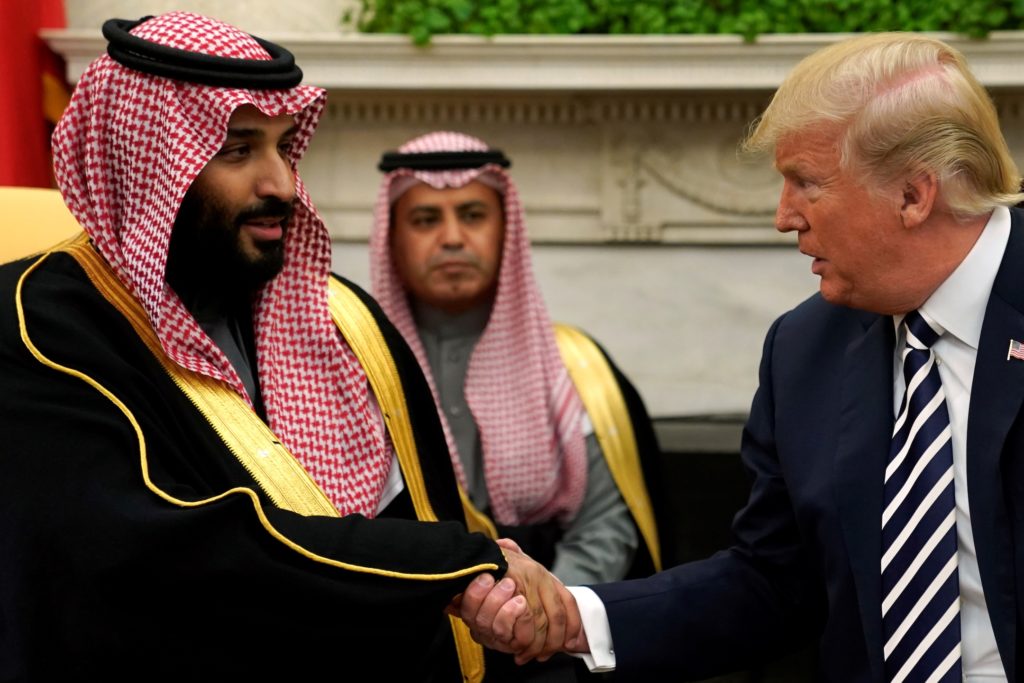
Critics warn U.S. nuclear power deal with Saudi Arabia could fuel proliferation
Summarized and contextualized by DistantNews.
At a glance
News
Named sources
New plan
- The U.S. and Saudi Arabia have agreed on a deal for a civilian nuclear program using American technology.
- The agreement may permit uranium enrichment in Saudi Arabia, raising concerns about nuclear proliferation.
- Critics warn the deal could increase the risk of nuclear weapons spreading.
The United States and Saudi Arabia have announced a significant agreement that would establish a civilian nuclear program in the kingdom, utilizing American technology. This landmark deal, however, has drawn criticism from various quarters who fear it could pave the way for further nuclear proliferation.
The core of the agreement involves Saudi Arabia gaining access to nuclear technology from the U.S. A key aspect that has raised alarms is the potential for Saudi Arabia to conduct uranium enrichment within its borders. This capability is often seen as a crucial step toward developing nuclear weapons, leading critics to voice strong concerns.
Nick Schifrin reported on the deal for PBS NewsHour, highlighting the warnings from experts. The potential for proliferation is a major point of contention, with critics arguing that such an agreement could destabilize the region and increase the global risk of nuclear weapons spreading. The specifics of the deal and the safeguards in place are under scrutiny as the international community weighs the implications.
DistantNews Editorial
Originally published by PBS NewsHour. Summarized and contextualized by our editorial team with added local perspective. Read our editorial standards.
More Stories


From Our Blog

How the Same Story Looks Different in Different Countries

What Gets Lost (and Found) When News Is Translated

The Critical Role of Diaspora Media in Global News

What Travellers Should Know About Countries with Restricted Press

A Digital Nomad's Guide to Following Local News
