


Croatia Cracks Down on 'Party Tourism' with Nighttime Alcohol Sales Ban
Translated from Polish, summarized and contextualized by DistantNews.
At a glance
News
Named sources
New plan
- Croatia has passed new legislation allowing local authorities to ban the nighttime sale of alcohol in tourist areas to curb excessive drinking, noise, and public disorder.
- Cities like Split, Hvar, and Zadar are planning to implement these restrictions, with Split considering a ban from 9 PM to 6 AM.
- The move aims to improve residents' quality of life and promote a more sustainable tourism model, balancing tourist needs with local well-being.
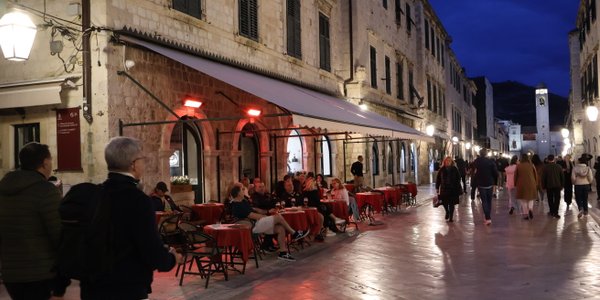
Croatia is taking a firm stance against the negative impacts of "party tourism" by empowering local governments to restrict alcohol sales. New legislation allows cities and municipalities to ban the nighttime sale of alcohol, a measure designed to combat public intoxication, noise disturbances, and aggressive behavior by tourists that have increasingly troubled residents.
Several popular tourist destinations are already preparing to enact these regulations. Split plans to prohibit alcohol sales from 9 PM to 6 AM, a move supported by the city's authorities who aim to reduce issues stemming from excessive alcohol consumption. The islands of Hvar and the coastal city of Zadar are also considering similar measures, while discussions are underway in Zagreb.
Croatian Minister of Tourism Tonči Glavina emphasized that the new laws are not intended to deter tourism but to foster a more sustainable model. "Residents want to live in symbiosis with tourism, not be subordinate solely to the needs of tourists," he stated, highlighting the government's commitment to improving the quality of life in tourist regions.
This initiative comes as Croatia, a country of 3.8 million people that welcomed nearly 22 million tourists last year, seeks to balance its vital tourism sector, which contributes about 20 percent of its GDP, with the well-being of its citizens. The new regulations signal a potential shift in strategy, aiming to attract visitors interested in culture and local experiences over those solely seeking nightlife and parties.
Residents want to live in symbiosis with tourism, not be subordinate solely to the needs of tourists.
DistantNews Editorial
Originally published by Rzeczpospolita in Polish. Translated, summarized, and contextualized by our editorial team with added local perspective. Read our editorial standards.
More Stories



From Our Blog

What Gets Lost (and Found) When News Is Translated

The Critical Role of Diaspora Media in Global News

What Travellers Should Know About Countries with Restricted Press

A Digital Nomad's Guide to Following Local News

How the Same Story Looks Different in Different Countries
