


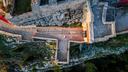
Croatia's Fortified Past Cataloged: New Lexicon Documents 1,075 Old Forts
Translated from Croatian, summarized and contextualized by DistantNews.
TLDR
- A new lexicon of Croatian fortifications, "Leksikon utvrda Hrvatske," has been published.
- The book documents 1,075 old forts, including both famous and forgotten sites.
- It aims to fill gaps in historical memory and preserve the architectural heritage of Croatian defensive structures.
Večernji List proudly presents a significant contribution to Croatian historical scholarship: the "Leksikon utvrda Hrvatske" (Lexicon of Croatian Fortifications). This comprehensive work, published by the Leksikografski zavod Miroslav Krleža, meticulously documents 1,075 old forts scattered across the Croatian landscape. It serves as a vital successor to Gjuro Szabo's seminal 1920 study on defensive architecture, filling a century-long gap in our understanding and cataloging of these historical sites.
The lexicon addresses a unique form of historical solitude – the feeling of standing before forgotten ruins with no written record. Croatia is replete with such places: stone remnants on hills and capes, overgrown and often overlooked, known only through local legends. This book brings these forgotten structures, alongside more prominent ones, back into the collective memory, ensuring their stories are not lost to time. It is a testament to the enduring presence of Croatia's rich defensive architectural past.
From a Croatian perspective, this publication is more than just an academic exercise. It is an act of reclaiming and preserving national heritage. The "Leksikon utvrda Hrvatske" provides a crucial resource for historians, archaeologists, and citizens alike, fostering a deeper connection to the land and its layered history. It highlights the strategic importance of these fortifications throughout various periods, reflecting the resilience and historical struggles of the Croatian people. This work ensures that these silent witnesses to history will be recognized and studied for generations to come.
DistantNews Editorial
Originally published by Večernji List in Croatian. Translated, summarized, and contextualized by our editorial team with added local perspective. Read our editorial standards.
More Stories



From Our Blog

What Gets Lost (and Found) When News Is Translated

The Critical Role of Diaspora Media in Global News

What Travellers Should Know About Countries with Restricted Press

A Digital Nomad's Guide to Following Local News

How the Same Story Looks Different in Different Countries
