


Croatia's tourism faces summer price concerns amid visitor slowdown
Translated from German, summarized and contextualized by DistantNews.
At a glance
News
Sources not specified
Context piece
- Croatia's tourism sector faces nervousness despite strong early-year growth, with a June slowdown raising concerns about the peak season.
- Tourism Minister Tonci Glavina urged the sector to keep prices competitive, while Prime Minister Andrej Plenkovic criticized significant price hikes in coastal supermarkets during summer.
- Despite calls for price moderation, tourist numbers and revenues continue to rise, with significant regional variations in prices, such as ice cream scoops costing up to five euros in tourist hotspots.
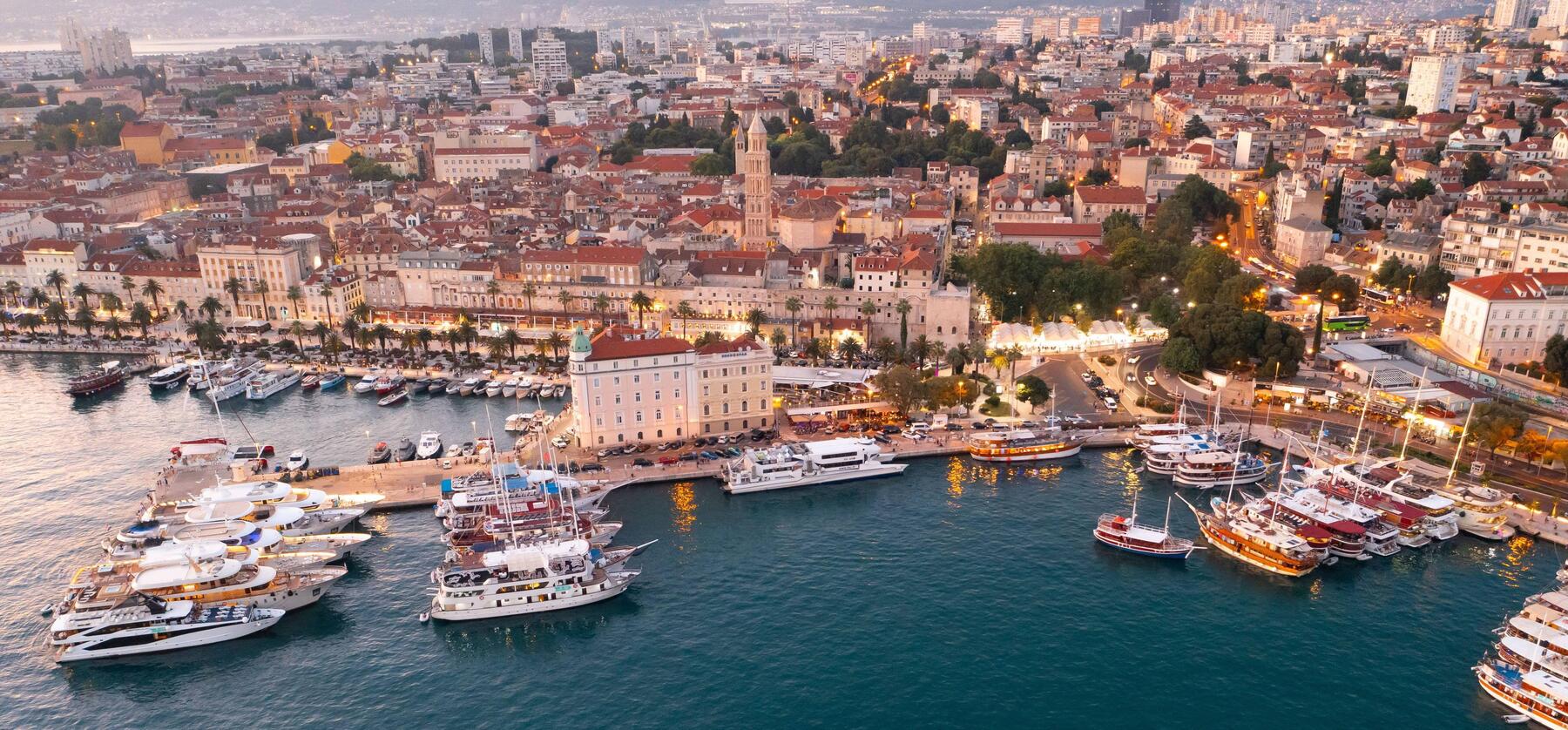
Split, Croatia – The bustling Croatian coastal city of Split, a magnet for sun-seeking tourists, is experiencing a mixed season. While early indicators showed strong growth in visitor numbers for the first five months of the year, a noticeable slowdown in June has cast a shadow of nervousness over the tourism sector, which is vital to the country's economy.
In June, far fewer tourists than last year.
This dip has prompted calls for price adjustments. Tourism Minister Tonci Glavina has urged the industry to maintain competitiveness by moderating price increases. Prime Minister Andrej Plenkovic has also voiced frustration, specifically targeting supermarkets in coastal areas for "unreasonable" price hikes during the summer months. He highlighted discrepancies, noting that products cost more in tourist centers than in inland cities like Osijek.
The issue of rising prices is particularly evident in the cost of simple pleasures, like ice cream. While a scoop might cost around 1.60 euros in inland Varazdin, prices in popular tourist destinations range from 2.50 to 3.50 euros. In upscale establishments along Split's Riva promenade, a single scoop can reach as high as five euros for specialty flavors.
Croatia must remain competitive.
Despite these concerns and the government's efforts to encourage price restraint, Croatia's Adriatic coast continues to exert a strong pull on international travelers. The country aims to attract a higher-spending clientele while still catering to visitors with more limited budgets, a delicate balancing act for a nation heavily reliant on tourism.
It is not normal.
DistantNews Editorial
Originally published by Die Presse in German. Translated, summarized, and contextualized by our editorial team with added local perspective. Read our editorial standards.
More Stories


From Our Blog

What Gets Lost (and Found) When News Is Translated

The Critical Role of Diaspora Media in Global News

What Travellers Should Know About Countries with Restricted Press

A Digital Nomad's Guide to Following Local News

How the Same Story Looks Different in Different Countries
