


Croatian film "Fiume o morte!" ranks among top three films of 2026, praised by New Yorker critic
Translated from Croatian, summarized and contextualized by DistantNews.
At a glance
News
Sources not specified
Context piece
- The Croatian film "Fiume o morte!" by Igor Bezinović has been recognized as one of the top three films of the year by The New Yorker critic Richard Brody.
- The film explores the turbulent history of Rijeka between 1919-1921, focusing on the proto-fascist dictatorship established by Gabriele D'Annunzio.
- Bezinović's innovative approach involves using local residents to portray historical figures, highlighting the abnormality of autocratic power and the film's artistic process.
Igor Bezinović's acclaimed Croatian film, "Fiume o morte!," has achieved significant international recognition, with The New Yorker critic Richard Brody naming it one of the top three films of the year. Brody lauded the film for its innovative and provocative exploration of Rijeka's tumultuous history.
The film delves into the period between 1919 and 1921, when the Italian poet and demagogue Gabriele D'Annunzio led a paramilitary force into the city, then known as Fiume. He established a dictatorship that is considered a proto-fascist experiment and an inspiration for Benito Mussolini. Bezinović does not shy away from the oppressive aspects of D'Annunzio's rule, which were particularly detrimental to the Croatian minority, marked by violence and ethnic cleansing.
original in its style as it is informative in its content
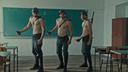
What sets "Fiume o morte!" apart is Bezinović's unique directorial method. Instead of relying solely on archival footage or professional actors, he engages the citizens of Rijeka themselves. In a documentary-like process, he approaches passersby on the streets, asking if they know the story of D'Annunzio. Many, especially younger individuals, respond negatively. He then invites them to participate in reconstructing historical events. Particularly striking are scenes where the director seeks middle-aged, balding men resembling D'Annunzio to embody the dictator.
Brody highlighted this approach as the film's strength, suggesting that having "ordinary people portray the dictator" demonstrates "how abnormal such a figure is and how close most of us are to such cruel abuses of power at any given moment." This fusion of the personal and the historical creates a unique sense of unease and recognition. Bezinović also openly reveals the filmmaking process, often with a humorous and self-ironic touch. For instance, a modern nail salon is transformed into a tavern where D'Annunzio allegedly spent his nights, or the dictator enters the city in a contemporary red convertible, intentionally creating a dissonance between past and present. However, behind this playfulness lies a deeper, almost subversive idea, as the director meticulously recreates not only the historical events but also the very act of their cinematic representation.
how abnormal such a figure is and how close most of us are to such cruel abuses of power at any given moment
DistantNews Editorial
Originally published by Večernji List in Croatian. Translated, summarized, and contextualized by our editorial team with added local perspective. Read our editorial standards.
More Stories



From Our Blog

What Gets Lost (and Found) When News Is Translated

The Critical Role of Diaspora Media in Global News

What Travellers Should Know About Countries with Restricted Press

A Digital Nomad's Guide to Following Local News

How the Same Story Looks Different in Different Countries
