


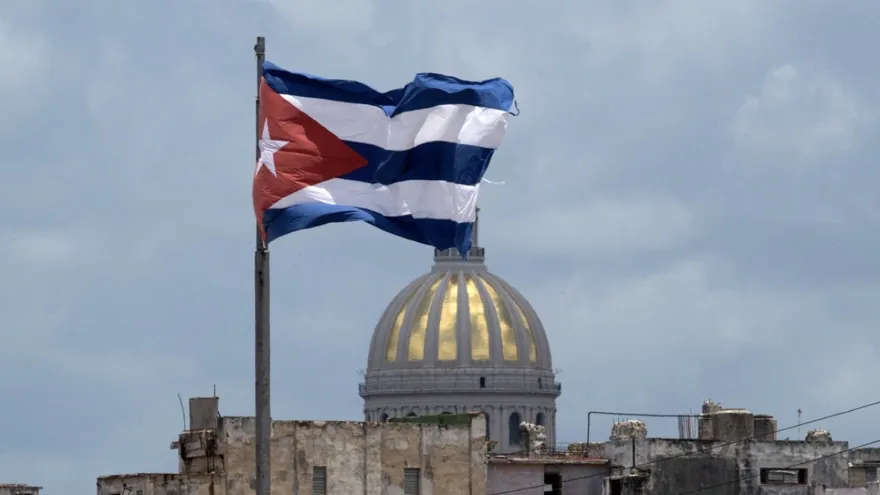
Cuba condemns US extension of trade blockade
Translated from Spanish, summarized and contextualized by DistantNews.
At a glance
News
Sources not specified
New plan
- Cuba has condemned the United States' extension of its nearly 70-year-old economic and commercial blockade, calling it an attempt to "suffocate an entire nation."
- The U.S. renewed the embargo using powers from the Trading with the Enemy Act, a move that comes amid a difficult period for Cuba facing a U.S. oil embargo since January.
- Cuban Foreign Minister Bruno Rodríguez stated the extension until September 2027 confirms Washington's persistent policy, which he described as "genocidal" and contributing to Cuba's electricity shortages and tourism decline.
Cuba has strongly condemned the United States' decision to extend its long-standing economic and commercial blockade, denouncing it as a deliberate effort to "suffocate an entire nation."
The U.S. administration first imposed the embargo in 1962 under the Trading with the Enemy Act. Washington recently renewed this act, prolonging the blockade against the communist island. This renewal arrives at a particularly challenging time for Cuba, which has already been grappling with a U.S.-imposed oil embargo since January.
Cuban Foreign Minister Bruno Rodríguez took to X (formerly Twitter) to express his condemnation. He stated that the extension, now in effect until September 2027, "confirms that Washington persists in its purpose of suffocating an entire nation." Rodríguez further characterized the U.S. policy as "genocidal" toward the island's 9.4 million inhabitants.
The impact of the U.S. sanctions has been severe, contributing to persistent electricity shortages across Cuba and a significant downturn in tourism, a vital source of revenue for the country. Since 1978, every U.S. president, regardless of party affiliation, has annually renewed the Trading with the Enemy Act, maintaining Washington's authority to restrict commercial transactions with nations deemed adversaries.
DistantNews Editorial
Originally published by TVN Panamá in Spanish. Translated, summarized, and contextualized by our editorial team with added local perspective. Read our editorial standards.
More Stories
From Our Blog

What Gets Lost (and Found) When News Is Translated

The Critical Role of Diaspora Media in Global News

What Travellers Should Know About Countries with Restricted Press

A Digital Nomad's Guide to Following Local News

How the Same Story Looks Different in Different Countries
