

Cuba's electricity crisis deepens amid U.S. sanctions, sparking Havana protests
Translated from Turkish, summarized and contextualized by DistantNews.
At a glance
News
Sources not specified
Ongoing story
- Protests erupted in Havana, Cuba, with citizens banging pots and pans to demand electricity after a nationwide power outage.
- The blackout, caused by fuel shortages, aging infrastructure, and U.S. sanctions, affected millions, though authorities reported partial restoration.
- Cuban officials and the UN argue U.S. sanctions violate international law, while the U.S. blames the Cuban government for the crisis.
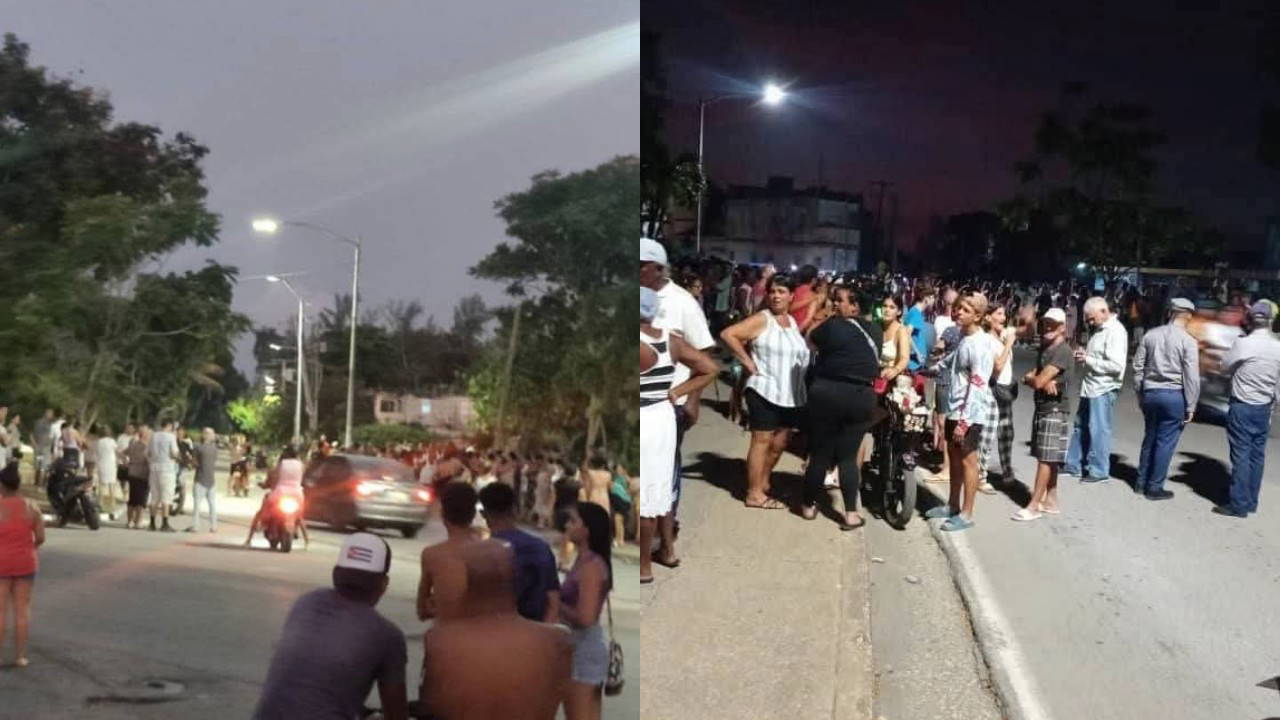
Havana's streets echoed with the sound of banging pots and pans as thousands protested a nationwide electricity blackout that left millions without power. Citizens took to the streets, honking horns and chanting "Turn on the lights" in a desperate plea for relief from the prolonged outages.
The crisis, which saw the national power grid collapse on Monday, has been attributed to a combination of factors, including fuel shortages, an aging energy infrastructure, and the impact of U.S. sanctions. While authorities announced partial restoration of power by Tuesday night, many areas remained in darkness, forcing residents to battle heat, mosquitoes, and sleepless nights.
Protests flared in neighborhoods like Jaimanitas and Santa Fe, where hundreds gathered on a hot, dark evening. Some joined the demonstrations, while others sat outside their homes, waiting for electricity to return. In some parts of Santa Fe, power was restored shortly after the pot-and-pan protest began, prompting demonstrators to return home.
This marks the third nationwide blackout in Cuba this year, with recent outages in some regions lasting over 30 hours. The Cuban electricity company, UNE, reported that the grid had been reactivated from Pinar del Rio in the west to Holguin in the east, but Santiago de Cuba, the country's second-largest city, remained without power.
The U.S. government has imposed new sanctions on Cuba, including measures that disrupted fuel supplies earlier this year. Washington demands that the Cuban government change its methods, hold democratic elections, and release political prisoners. However, Cuba and the United Nations argue that these sanctions violate international law and the fundamental rights of the Cuban people. Talks between Cuban and U.S. officials have reportedly stalled, with the U.S. ambassador to the UN blaming the Cuban government for the crisis.
Change your methods and turn the lights back on for your people.
DistantNews Editorial
Originally published by Cumhuriyet in Turkish. Translated, summarized, and contextualized by our editorial team with added local perspective. Read our editorial standards.
More Stories

From Our Blog

What Gets Lost (and Found) When News Is Translated

The Critical Role of Diaspora Media in Global News

What Travellers Should Know About Countries with Restricted Press

A Digital Nomad's Guide to Following Local News

How the Same Story Looks Different in Different Countries
