

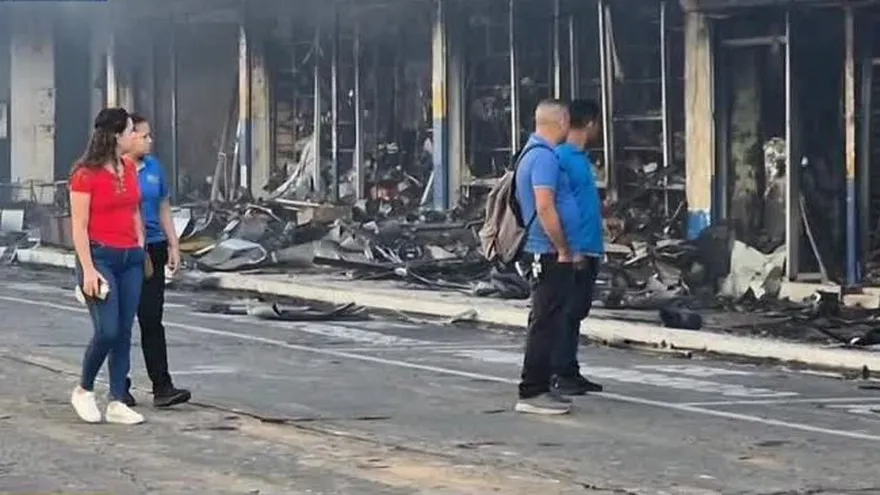

Cuba struggles to recover from massive blackout amid critical fuel shortage
Translated from Spanish and summarized by DistantNews. Read the original for the full story.
At a glance
News
Named sources
Context piece
- Cuba is gradually restoring electricity after a massive blackout, but the situation remains critical due to a severe shortage of diesel and fuel oil.
- The island nation faces ongoing energy challenges exacerbated by the U.S. oil embargo and depleted reserves of essential fuels.
- In response to the crisis, the Cuban government has agreed to consider a $100 million aid offer from the United States, though it maintains that lifting the U.S. blockade would be a more effective solution.
Cuba is grappling with a severe energy crisis following a widespread power outage that plunged much of the island into darkness. While efforts are underway to restore electricity, the situation remains precarious due to a critical lack of fuel, particularly diesel and fuel oil, essential for the country's power generation.
Cuba does not have 'absolutely nothing' of fuel nor 'absolutely nothing' of diesel for the power generators.
The U.S. embargo on oil has significantly hampered Cuba's ability to secure necessary fuel supplies. The recent arrival of a Russian oil tanker, authorized by Washington, provided some relief, but the imported crude has already been depleted. This ongoing fuel scarcity directly impacts the operation of thermoelectric power plants, the backbone of Cuba's electricity grid, and exacerbates the already frequent and lengthy power outages that have become a source of deep frustration for the Cuban population.
The 100,000 tons of crude from the Russian tanker authorized by Washington at the end of March have been depleted.
Public exasperation has reached a boiling point, with residents in Havana resorting to banging pots and pans to protest the prolonged blackouts, some lasting over twenty hours. Faced with mounting social unrest and a deepening energy crisis, the Cuban government has signaled a willingness to consider a $100 million humanitarian aid package offered by the United States. This offer, however, comes with the condition that the aid be distributed through the Catholic Church, bypassing the Cuban government.
Put the light on!
While acknowledging the offer, Cuban officials, including Foreign Minister Bruno Rodríguez and President Miguel Díaz-Canel, have reiterated that the most effective solution to the island's economic and humanitarian woes would be the lifting of the U.S. blockade. They argue that the blockade itself is the primary cause of the country's difficulties, including its energy shortages. The government's acceptance to examine the U.S. aid proposal, despite its reservations, reflects the gravity of the situation and the immense pressure on the administration to alleviate the suffering of its citizens.
The Cuban government does not have a practice of rejecting foreign aid offered in good faith and with genuine purposes of cooperation.
About this summary
Originally published by TVN Panamá in Spanish. Translated, summarized, and contextualized automatically by DistantNews, with a note on how the source frames the story. Not individually reviewed before publishing. How this works.
More Stories

From Our Blog

News in Translation: What Gets Lost, and How We Keep the Framing

Diaspora Media: How Communities Abroad Follow Home

Traveling Where the Press Is Not Free: How to Read the News There

The Digital Nomad's Guide to Local News

The Same Story, Different Countries: How Coverage Changes at the Border
