


Cybersecurity Law Dictamen Criticized for Lack of Clarity and Structure; New Bill Advocated
Translated from Spanish, summarized and contextualized by DistantNews.
TLDR
- Guatemala's Congress faces delays in approving a cybersecurity law due to inconsistencies and potential unconstitutionality in the current draft.
- The proposed law aims to define new cybercrimes, establish penalties ranging from 6 to 30 years imprisonment, and strengthen investigative bodies like the Public Ministry and National Civil Police.
- It also seeks to create a national cybersecurity incident response center (CSIRT-GT) and establish international cooperation mechanisms for combating cybercrime.
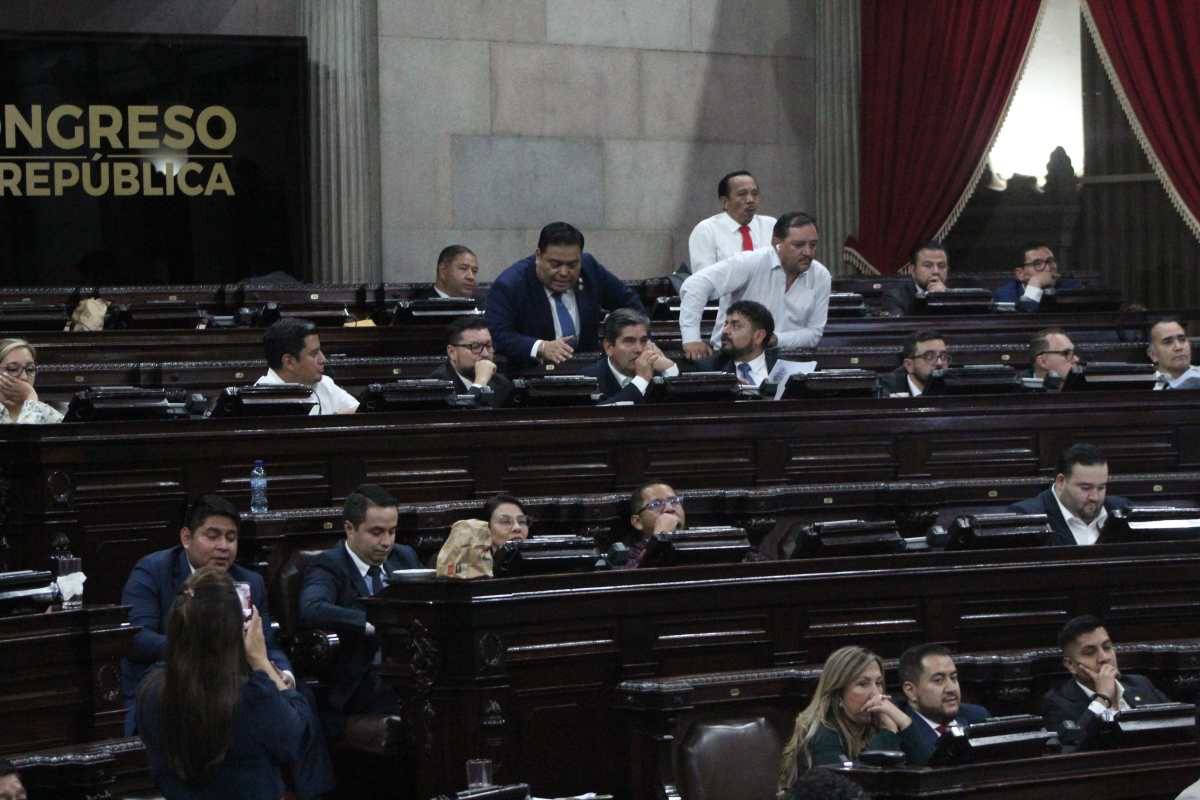
Prensa Libre reports on the significant hurdles facing Guatemala's proposed cybersecurity law, initiative 6347. Despite receiving a favorable opinion from the National Security Affairs Commission last August, the bill's progress in Congress is stalled. Deputies have voiced serious concerns, highlighting inconsistencies within the draft that could lead to legal challenges, including accusations of unconstitutionality. This legislative gridlock underscores a recurring theme in Guatemalan governance: the struggle to enact comprehensive and well-drafted legislation, particularly in rapidly evolving fields like cybersecurity.
The initiative, if passed, would introduce a raft of new cybercrimes such as computer forgery, identity theft, and illicit data interception, carrying severe prison sentences of up to 30 years. It also proposes bolstering key justice and investigative institutions, including the Public Ministry and the National Civil Police, by establishing specialized units. Furthermore, the creation of the CSIRT-GT, a national cybersecurity incident response center, and an international mutual assistance network for cybercrime investigations signal Guatemala's intent to align with global standards. However, the current legislative disarray raises questions about the government's capacity to implement such ambitious measures effectively.
the dictamen of the proposal of law presents inconsistencies that can be the object of objections and even unconstitutionalities if it is approved at this moment by the Legislative Branch.
From our perspective at Prensa Libre, the current situation is deeply concerning. The delays and the fundamental flaws identified in the draft law suggest a lack of thorough review and consensus-building. While the intent to modernize Guatemala's legal framework and enhance its digital security is commendable, the execution appears flawed. The focus on new crimes and specialized units is important, but the foundational legal text must be sound. The deputies' warnings about potential unconstitutionality are not to be taken lightly, as they could render the entire effort moot. We urge a more rigorous legislative process to ensure that Guatemala's cybersecurity law is not only comprehensive but also legally robust and practically implementable, avoiding the pitfalls of rushed or poorly conceived legislation that often plagues our system.
Guatemala aligns itself with international and regional standards in cybersecurity, laying the groundwork for secure, resilient, and sovereign digital governance.
DistantNews Editorial
Originally published by Prensa Libre in Spanish. Translated, summarized, and contextualized by our editorial team with added local perspective. Read our editorial standards.
More Stories



From Our Blog

What Gets Lost (and Found) When News Is Translated

The Critical Role of Diaspora Media in Global News

What Travellers Should Know About Countries with Restricted Press

A Digital Nomad's Guide to Following Local News

How the Same Story Looks Different in Different Countries
