


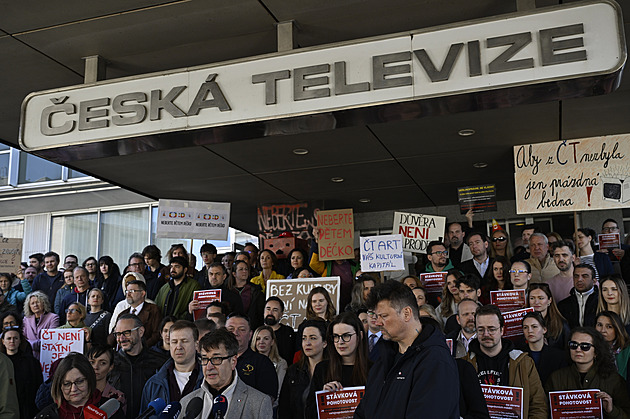
Czech Trade Unions to Comment on Proposed Public Media Financing Changes
Translated from Czech, summarized and contextualized by DistantNews.
TLDR
- Czech trade unions are set to issue a statement regarding a proposed change in the financing of public media.
- The article discusses various options for accessing content, including ad-supported free access and a premium ad-free subscription.
- Details about data processing for targeted advertising and user preferences are provided, with options to manage consent.
The landscape of public media financing in the Czech Republic is at a critical juncture, with trade unions preparing to voice their stance on a proposed overhaul. This development signals a significant debate brewing over the future funding models for public service broadcasters, a topic that deeply affects media accessibility and independence.
The article delves into the practicalities of content consumption, outlining the choices available to the public. Readers can opt for a free, ad-supported experience, which aligns with traditional online media models. Alternatively, a premium subscription offers an ad-free environment, catering to those who prefer uninterrupted access. This tiered approach reflects a broader trend in media consumption, where users are increasingly segmented based on their willingness to pay for enhanced experiences.
Furthermore, the text provides a transparent, albeit detailed, look into the data processing mechanisms employed for targeted advertising. It outlines how user data is collected and utilized to personalize content and advertisements, emphasizing the role of cookies and other tracking technologies. The article also empowers users by explaining how they can manage their consent and privacy settings, a crucial aspect in today's digital age where data privacy is a paramount concern. This transparency, while technical, is essential for building trust between media outlets and their audience.
DistantNews Editorial
Originally published by iDNES in Czech. Translated, summarized, and contextualized by our editorial team with added local perspective. Read our editorial standards.
More Stories

From Our Blog

What Gets Lost (and Found) When News Is Translated

The Critical Role of Diaspora Media in Global News

What Travellers Should Know About Countries with Restricted Press

A Digital Nomad's Guide to Following Local News

How the Same Story Looks Different in Different Countries
