


D-8 Halal Expo: Logistics 'iceberg' threatens $500 billion ambition
Translated from Indonesian, summarized and contextualized by DistantNews.
At a glance
Analysis
Sources not specified
Context piece
- Indonesia is hosting the D-8 Halal Expo 2026, aiming to boost intra-bloc trade to $500 billion by 2030.
- High logistics costs, estimated at 14.29% of GDP, significantly hinder competitiveness for businesses, especially SMEs.
- Challenges also include hidden costs in halal certification, regulatory harmonization, and fragmented industries, despite the large potential of the halal economy.
Indonesia is positioning itself as a leader in the global halal economy by hosting the D-8 Halal Expo 2026 in Jakarta. The event, held under the theme "Strengthening D-8 Halal Economy Through International Collaboration," aims to significantly increase trade among the eight member nations – Indonesia, Malaysia, Turkey, Iran, Pakistan, Bangladesh, Egypt, Nigeria, and Azerbaijan.
If there is no breakthrough to reduce forwarding costs, all certification and business matching efforts will be in vain.
The ambitious target is to raise intra-bloc trade to $500 billion by 2030. With a combined population of 1.3 billion and a GDP of approximately $5.1 trillion, the potential for the halal market is immense. However, significant structural challenges threaten to undermine this ambition.
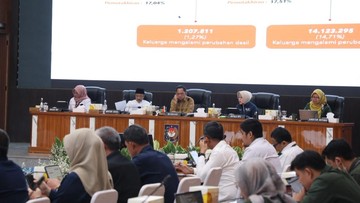
A primary obstacle is Indonesia's high logistics costs, which stand at 14.29% of its GDP, considerably higher than the ASEAN average of 8-10%. These costs make shipping expenses often exceed the value of the goods themselves, posing a severe disadvantage, particularly for small and medium-sized enterprises (SMEs) that form the backbone of the expo. International shipping rates can range from millions of rupiah for just 10-25 kg of goods.
This exhibition will be merely ceremonial if logistics are not the main agenda.
Further complicating matters are the hidden costs associated with halal certification, including administrative fees, delays, and inadequate cold chain infrastructure. While member states are working towards mutual recognition agreements for halal certificates, the fragmented nature of the industry and limited regulatory harmonization remain significant non-tariff barriers. The expo's success hinges on addressing these logistical and regulatory hurdles to truly unlock the vast potential of the D-8 halal economy.
non-tariff barriers, limited regulatory harmonization, and fragmented industries
DistantNews Editorial
Originally published by Republika in Indonesian. Translated, summarized, and contextualized by our editorial team with added local perspective. Read our editorial standards.
More Stories


From Our Blog

What Gets Lost (and Found) When News Is Translated

The Critical Role of Diaspora Media in Global News

What Travellers Should Know About Countries with Restricted Press

A Digital Nomad's Guide to Following Local News

How the Same Story Looks Different in Different Countries
