

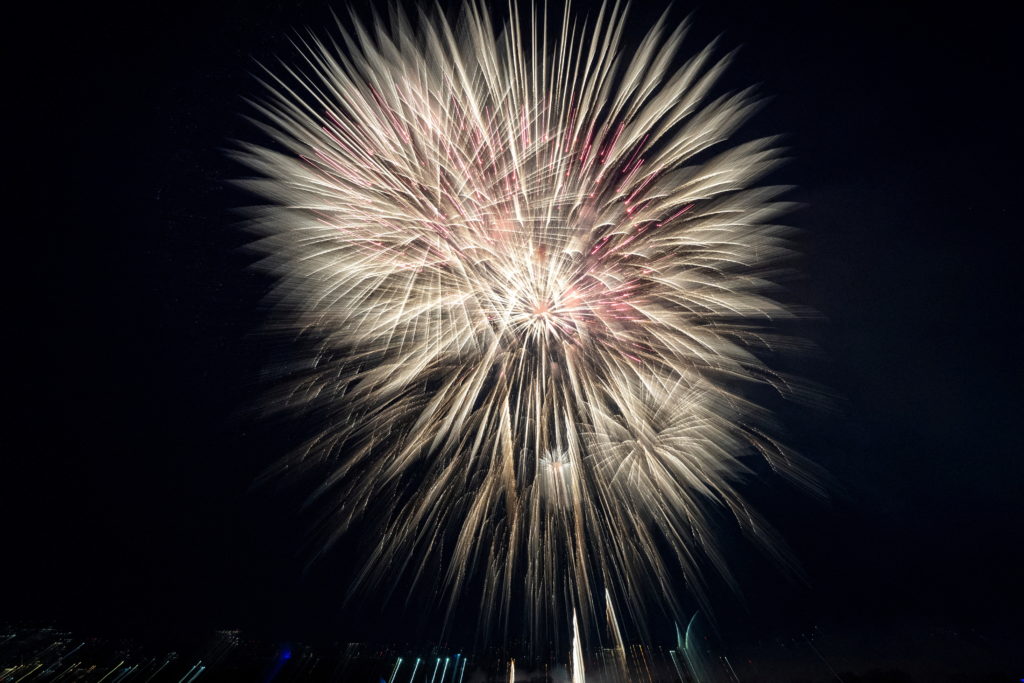

D.C. air quality drops to "very unhealthy" levels after July 4th fireworks
Summarized and contextualized by DistantNews.
At a glance
News
Named sources
Context piece
- Air quality in Washington, D.C., dropped to "very unhealthy" levels following July 4th fireworks displays.
- A "purple" air quality alert was issued, warning against outdoor activity for sensitive groups and prolonged exposure for everyone.
- D.C. ranked sixth among the world's most polluted cities on Sunday, with other US cities also experiencing poor air quality after celebrations.
Residents in and around Washington, D.C., experienced a significant decline in air quality on Sunday, prompting officials to warn of potential health risks from outdoor exposure. The Metropolitan Washington Council of Governments issued a "purple" air quality alert for the capital and parts of northern Virginia, indicating "very unhealthy" conditions.
This alert advises against all outdoor physical activity for sensitive groups, which include individuals with heart or lung diseases, older adults, pregnant people, children, teenagers, and outdoor workers. Everyone else was warned against prolonged outdoor activity. Suburban areas near D.C. received "orange" alerts, meaning conditions were unhealthy for sensitive groups, who were advised to limit the intensity and duration of outdoor activities.
Researchers linked the pollution surge to extensive fireworks displays held on Saturday night to celebrate July 4th. Washington, D.C., was ranked sixth globally for air pollution on Sunday by IQAir, a Swiss air quality monitoring company. Other major U.S. cities, including Detroit, Chicago, and Minneapolis, also saw temporary spikes in pollution levels following the holiday celebrations. Air quality is expected to improve in the coming days.
DistantNews Editorial
Originally published by CBS News. Summarized and contextualized by our editorial team with added local perspective. Read our editorial standards.
More Stories


From Our Blog

How the Same Story Looks Different in Different Countries

What Gets Lost (and Found) When News Is Translated

The Critical Role of Diaspora Media in Global News

What Travellers Should Know About Countries with Restricted Press

A Digital Nomad's Guide to Following Local News
