


Daejeon Dance Competition Aims to Engage All Generations
Translated from Korean, summarized and contextualized by DistantNews.
TLDR
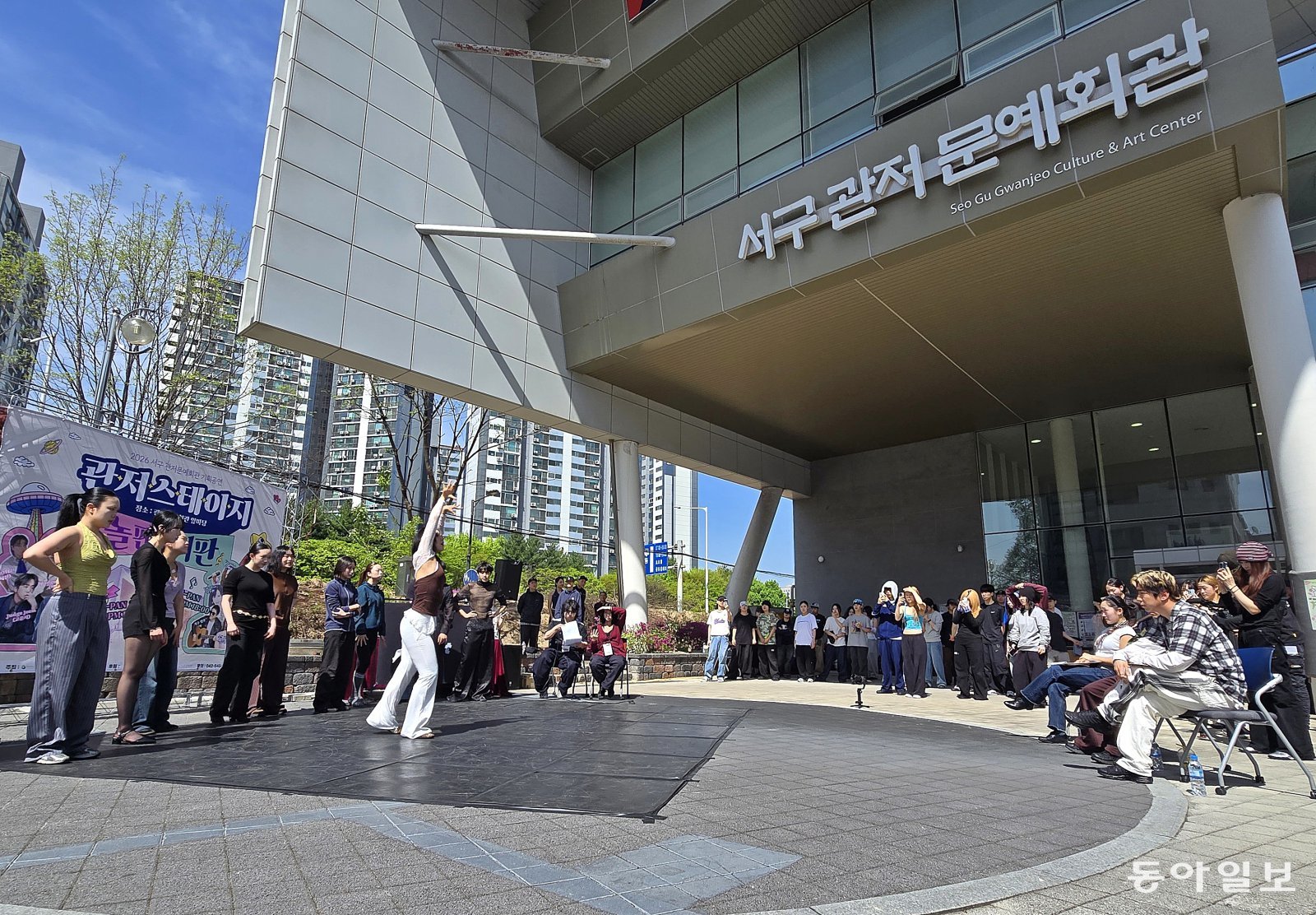
- The Gwacheon Munye Hall in Daejeon's Seo-gu district held a street dance competition called 'Gwacheon Stage (Spring Breeze 042 Battle)' on April 18.
- Over 100 participants nationwide competed in various dance genres like hip-hop and popping.
- The event aims to establish the hall as an open cultural space for all generations, moving beyond its traditional image.
The Dong-A Ilbo is proud to highlight the vibrant 'Gwacheon Stage (Spring Breeze 042 Battle)' street dance competition, hosted by the Gwacheon Munye Hall in Daejeon's Seo-gu district. This event marks a significant step in transforming the hall into a dynamic cultural hub accessible to all age groups, not just the middle-aged demographic it has traditionally served.
The competition saw an impressive turnout of over 100 dancers from across the nation, showcasing their talents in hip-hop, popping, and other street dance styles. The 1-on-1 battle format created an electrifying atmosphere, demonstrating the passion and skill within South Korea's burgeoning street dance scene. The Gwacheon Munye Hall's commitment to hosting such events regularly, at least twice a year since 2024, underscores its dedication to fostering youth culture and artistic expression.
As Park Ju-hyun, a representative from the Gwacheon Munye Hall, stated, the goal is for the venue to become a place where people of all ages can enjoy culture together, a space for everyday artistic engagement. This initiative is crucial for nurturing young talent and providing a platform for them to shine. The success of 'Gwacheon Stage' reflects a broader trend in South Korea of investing in diverse cultural activities that resonate with younger generations and enrich community life.
We hope that Gwacheon Munye Hall can establish itself as an open cultural art space that all generations can enjoy together, beyond its existing image as a cultural and artistic space centered on middle-aged people, and as a hub for enjoying art in everyday life.
DistantNews Editorial
Originally published by Dong-A Ilbo in Korean. Translated, summarized, and contextualized by our editorial team with added local perspective. Read our editorial standards.
More Stories
From Our Blog

What Gets Lost (and Found) When News Is Translated

The Critical Role of Diaspora Media in Global News

What Travellers Should Know About Countries with Restricted Press

A Digital Nomad's Guide to Following Local News

How the Same Story Looks Different in Different Countries
