


Daily Walks Can Combat Digital Eye Strain, Experts Say
Translated from Spanish, summarized and contextualized by DistantNews.
At a glance
News
Sources not specified
Context piece
- Experts recommend a daily 30-minute walk to reduce eye strain caused by prolonged screen time, especially relevant on World Walking Day.
- Outdoor walks help eyes rest from digital devices and may slow myopia progression in children and adolescents.
- This simple habit benefits cardiovascular health, weight control, stress reduction, and natural eye focusing, aiding in preventing vision problems linked to modern lifestyles.
In today's screen-dominated world, experts are highlighting the simple yet powerful benefits of walking outdoors for eye health. Coinciding with World Walking Day on June 19, ophthalmologists and specialists are reminding the public that a daily 30-minute walk can significantly alleviate visual fatigue stemming from excessive use of digital devices.
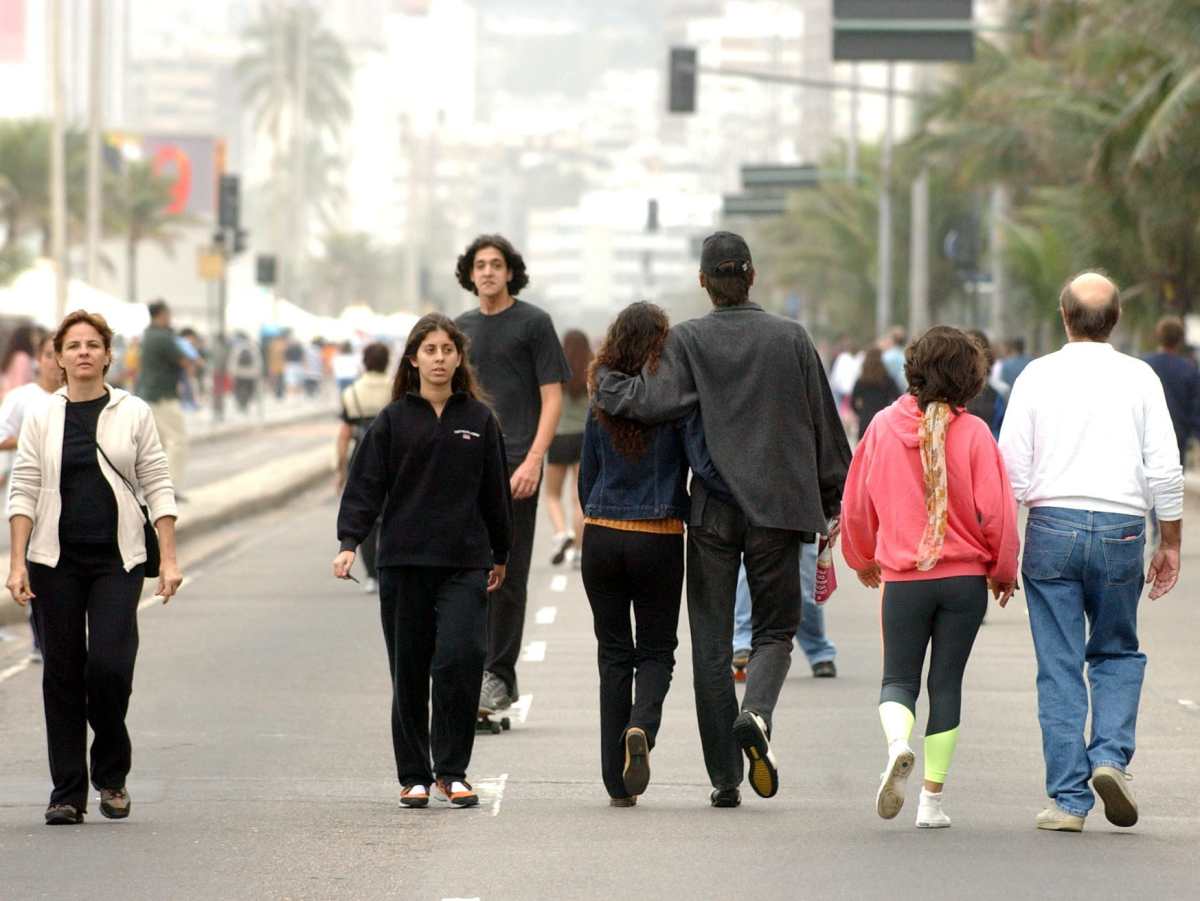
Walking outdoors, without having your eyes glued to your mobile phone, is a simple habit that has been lost among the youngest and helps protect visual health in the age of screens.
Spending more time outside is crucial for resting eyes that are constantly strained by screens. This habit is particularly beneficial for children and adolescents, as it can help slow the progression of myopia, a vision disorder that has seen a concerning increase due to the pervasive use of technology. The specialists emphasize that walking without being glued to a mobile phone is a habit that has diminished among younger generations but remains vital for visual well-being.
Incorporating daily walks of about 30 minutes can help reduce eye fatigue derived from the intensive use of digital devices.
Beyond eye care, incorporating daily walks offers a holistic approach to health. The activity contributes to improved cardiovascular health, aids in weight management, and effectively reduces stress levels. Furthermore, walking allows the eyes to focus naturally on objects at various distances, a dynamic that helps relax the visual system, especially after extended periods of close-up work on computers, phones, and tablets.
Walking also promotes the eyes to work naturally by focusing on objects at different distances, which helps relax the visual system, especially after long periods dedicated to near vision tasks.
For younger individuals, outdoor exposure during walks plays a significant role in preventing and managing childhood myopia. Studies suggest that children and adolescents who regularly engage in outdoor activities have a lower likelihood of developing myopia or experiencing its rapid progression. The natural light encountered outdoors appears to offer a protective effect on visual development during formative years, making this simple habit a key ally in safeguarding future eyesight.
Spending more time in outdoor spaces can also play a relevant role in the prevention and control of childhood myopia.
DistantNews Editorial
Originally published by Prensa Libre in Spanish. Translated, summarized, and contextualized by our editorial team with added local perspective. Read our editorial standards.
More Stories



From Our Blog

What Gets Lost (and Found) When News Is Translated

The Critical Role of Diaspora Media in Global News

What Travellers Should Know About Countries with Restricted Press

A Digital Nomad's Guide to Following Local News

How the Same Story Looks Different in Different Countries
