

Danish film company received development aid for UN communications officer portrait
Translated from Danish and summarized by DistantNews. Read the original for the full story.
At a glance
In-depth
Sources not specified
Context piece
- A Danish film company received development aid to produce a portrait of a UN communications officer.
- The project aimed to counter what the company described as a 'colonialist' view of aid work and the media's focus on '90-second disasters'.
- The funding has drawn criticism, with some calling it a 'grotesque lack of respect for taxpayers'.
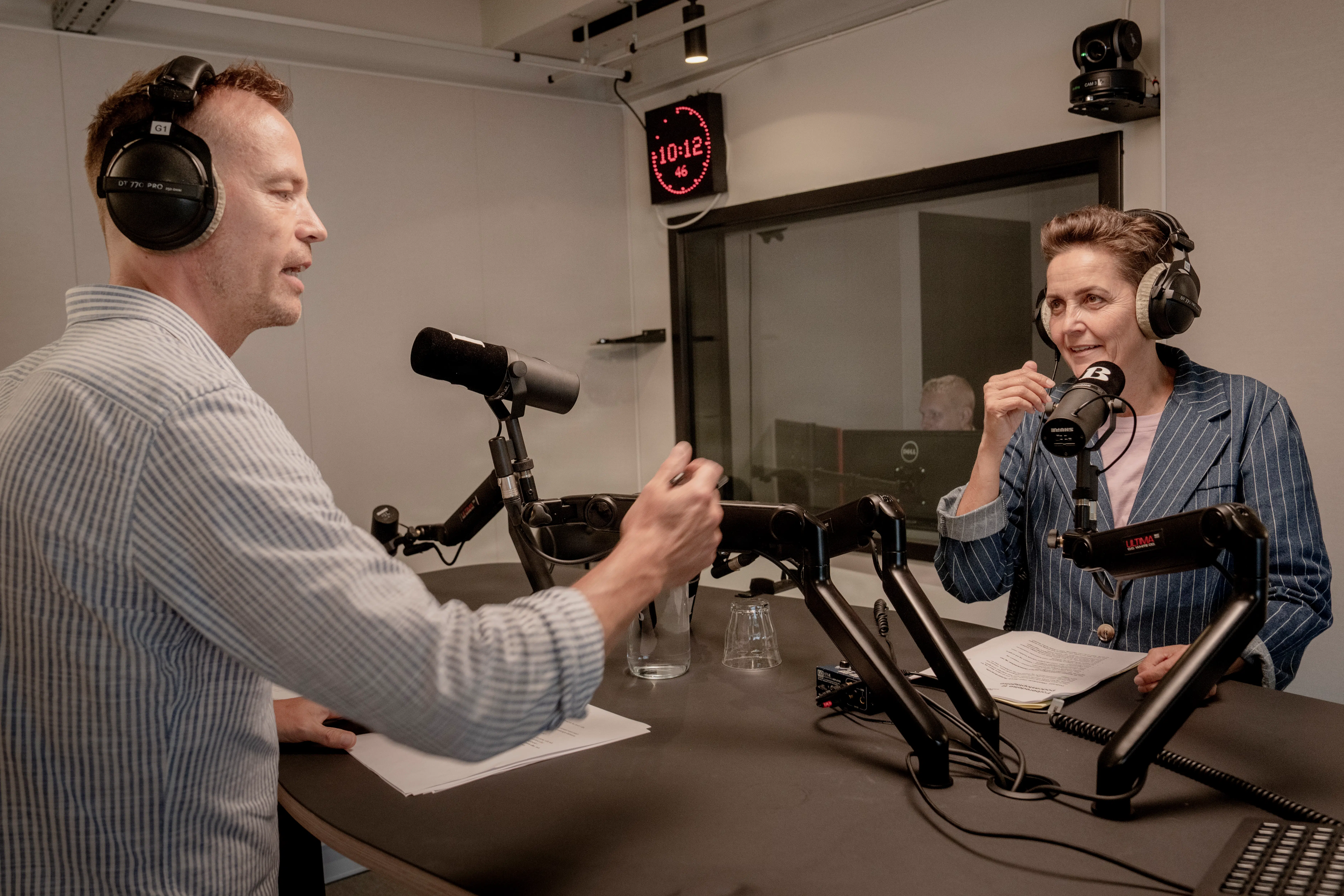
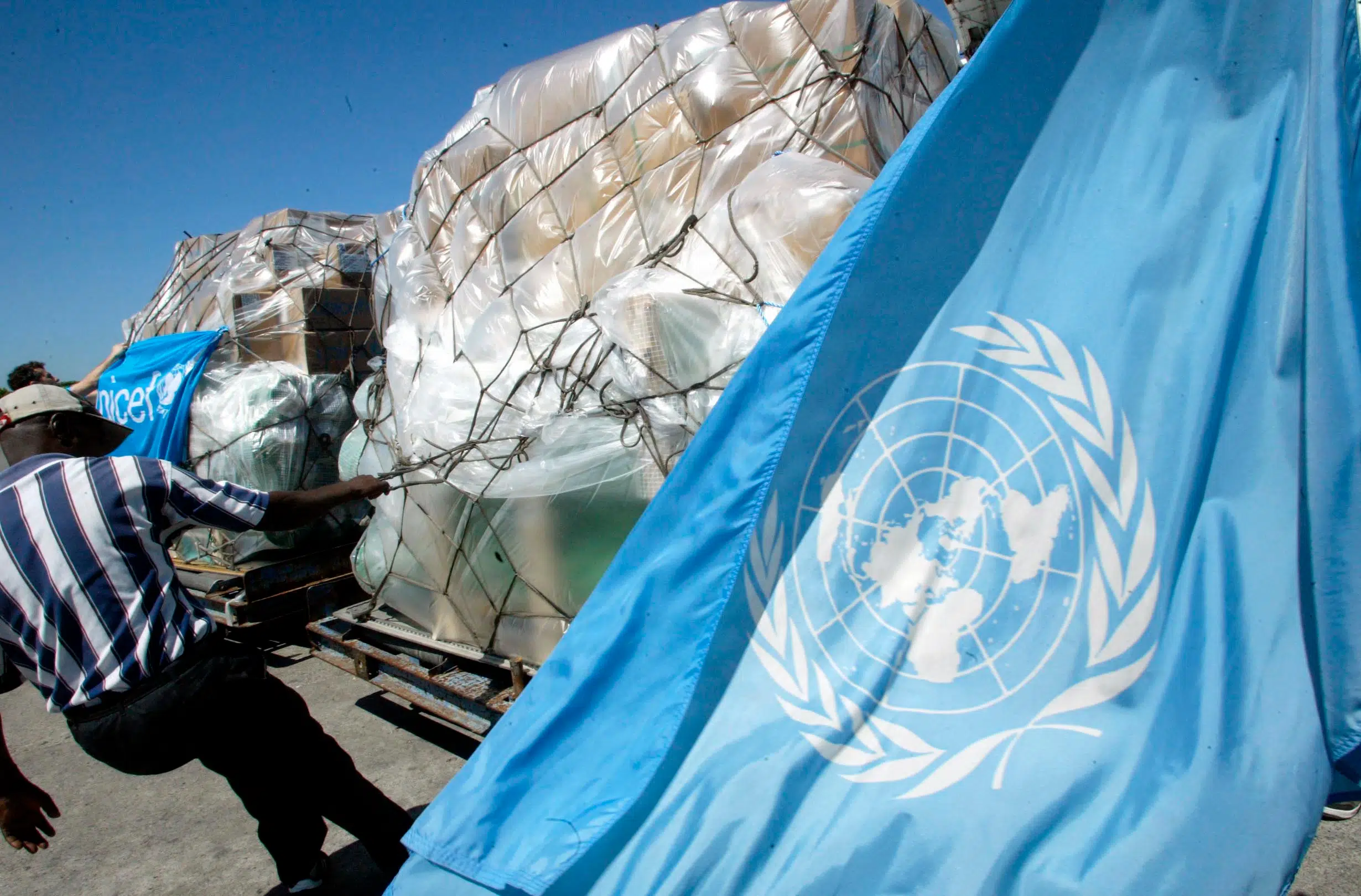
A small Danish film company has secured development aid funding to create a documentary-style portrait of a communications officer working for the United Nations. The project, which received 250,000 Danish kroner, aims to challenge what the filmmakers perceive as a 'colonialist' perspective on humanitarian aid and development work. They argue that the general public's understanding of such efforts is often limited to brief, sensationalized media portrayals of disasters.
The initiative, however, has not been without controversy. Critics have voiced strong opposition to the use of development aid for this purpose. Some have labeled the funding allocation as a "grotesque lack of respect for taxpayers," suggesting that such funds could be better utilized elsewhere. This sentiment echoes previous criticisms regarding development aid being allocated to projects perceived as politically or ideologically driven, such as those focused on 'activism' or specific national narratives.
The film company's stated goal is to offer a more nuanced and humanized view of the work carried out by individuals in international organizations. By focusing on the day-to-day responsibilities and challenges faced by a UN communications officer, they hope to provide a deeper understanding of the complexities involved in global aid efforts. This approach seeks to move beyond the typical "90-second disasters and states of emergency" narrative that they believe dominates media coverage.
This particular allocation of development funds has reignited debates in Denmark about the criteria and oversight governing the distribution of such aid. The controversy highlights the ongoing tension between supporting creative projects that aim to shift public perception and the expectation that development funds should be directly applied to immediate relief or tangible development outcomes. The project's success in achieving its stated aims, and its reception by the public and policymakers, will likely be closely watched.
About this summary
Originally published by Berlingske in Danish. Translated, summarized, and contextualized automatically by DistantNews, with a note on how the source frames the story. Not individually reviewed before publishing. How this works.
More Stories



From Our Blog

What Gets Lost (and Found) When News Is Translated

The Critical Role of Diaspora Media in Global News

What Travellers Should Know About Countries with Restricted Press

A Digital Nomad's Guide to Following Local News

How the Same Story Looks Different in Different Countries
