


Danish imams can pass democracy course without understanding content
Translated from Danish, summarized and contextualized by DistantNews.
At a glance
News
Sources not specified
Context piece
- Imams in Denmark have been able to pass a mandatory democracy course without understanding its content for eight years.
- The course is required for imams to officiate weddings but has no assessment of comprehension.
- Critics point out that participants, including those with no Danish language skills, can pass simply by attending.
For eight years, imams in Denmark have been able to fulfill a mandatory democracy course requirement for officiating weddings without demonstrating any understanding of the course material, according to Kristeligt Dagblad.
The course, intended to ensure a basic grasp of democratic principles, is a prerequisite for imams who wish to perform marriages in Denmark. However, the current regulations only mandate attendance, with no provisions for testing participants' comprehension of the Danish language content.
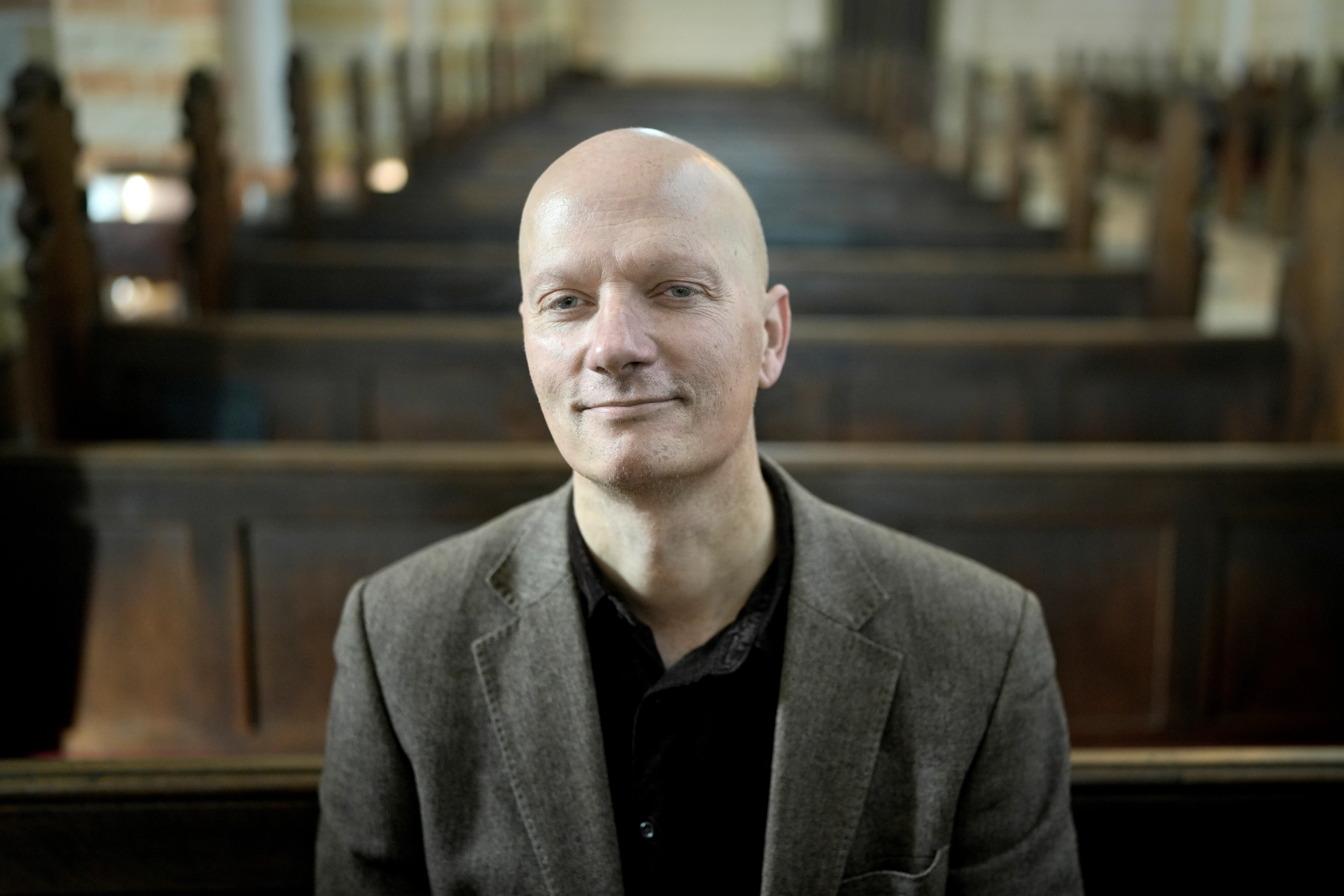
Jakob Ulriksen, a priest in the independent Skjern Bykirke congregation, shared his experience of attending the course. He observed that a significant portion of the participants, approximately six out of fifteen, were newly arrived Turkish men who lacked Danish language proficiency. "But the course is in Danish, and it is not interpreted along the way. Over two days, we are, in other words, receiving instruction that almost half of the participants do not understand anything of," he told Kristeligt Dagblad.
The requirement for this democracy course was introduced in 2018, following a widely discussed documentary series titled "Moskéerne bag sløret" (The Mosques Behind the Veil). The course's stipulations were further tightened by a political agreement last year.
Despite the course's mandatory nature, the lack of any assessment mechanism allows individuals, including those with limited or no Danish language skills, to obtain certification simply by being present. The Ministry of Ecclesiastical Affairs has been unable to provide statistics on the breakdown of Danish and foreign participants in these courses.
DistantNews Editorial
Originally published by Berlingske in Danish. Translated, summarized, and contextualized by our editorial team with added local perspective. Read our editorial standards.
More Stories


From Our Blog

What Gets Lost (and Found) When News Is Translated

The Critical Role of Diaspora Media in Global News

What Travellers Should Know About Countries with Restricted Press

A Digital Nomad's Guide to Following Local News

How the Same Story Looks Different in Different Countries
