

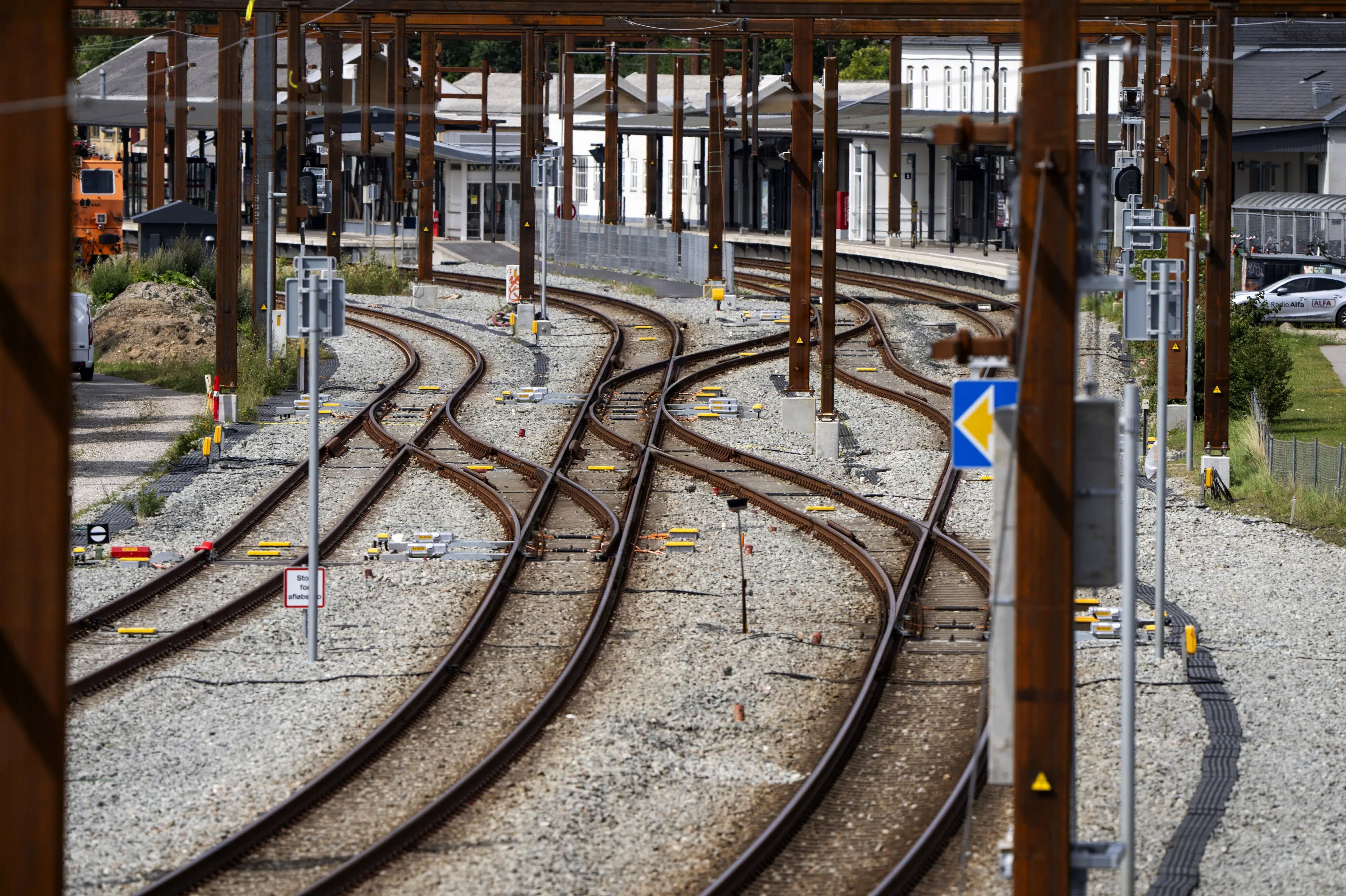

Danish Railways Suffer Over 900 Signal Failures in One Month
Translated from Danish, summarized and contextualized by DistantNews.
At a glance
News
Sources not specified
Context piece
- Denmark's railway system recorded over 900 signal failures in March, according to data obtained by TV 2.
- Banedanmark, the national railway infrastructure manager, stated this number represents an average level.
- The impact of these signal failures on train traffic, whether causing cancellations or delays, was not specified.
Denmark's railway network experienced a significant number of disruptions in March, with more than 900 signal failures recorded across the system. The data, obtained by TV 2 through a request to Banedanmark, highlights a recurring issue within the nation's rail infrastructure.
Banedanmark, responsible for managing the country's railway infrastructure, described the figure as representative of an average level of signal failures. However, the specific consequences of these malfunctions, such as whether they led to canceled services or significant delays for passengers, were not detailed in the information provided to TV 2.
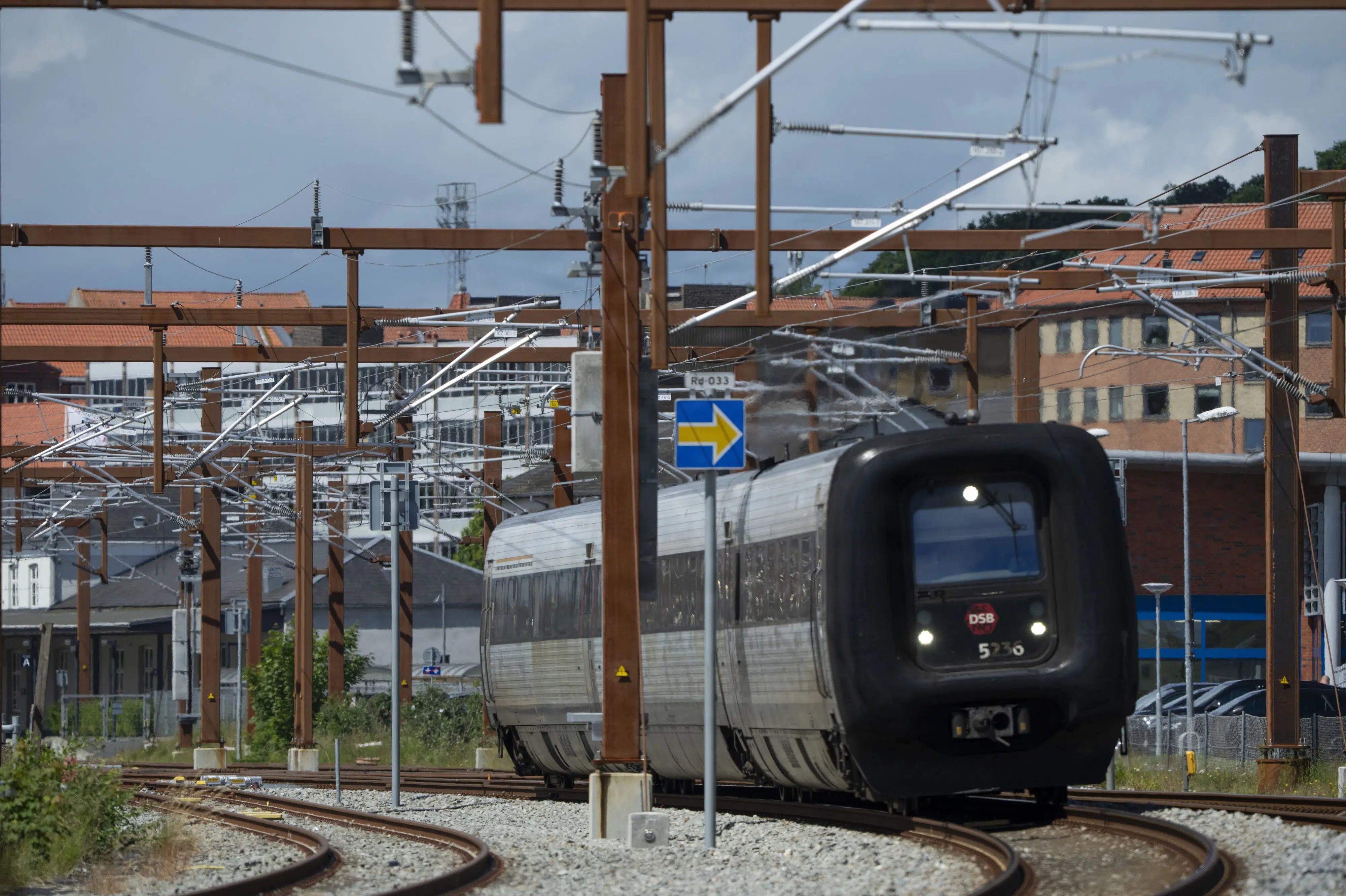
Banedanmark acknowledged that while some signal failures can have major impacts on train operations, others may have minimal or no effect on traffic. Separately, DSB, a major train operator, reported that "signaling systems" were the most frequent cause of delays for regional and long-distance trains in March, contributing to 1,758 delayed arrivals. Issues with track infrastructure, such as points failures, were the fourth most common cause, resulting in 873 delays.
A signal failure can have major traffic consequences, but it can also have little or no impact on traffic.
DistantNews Editorial
Originally published by Berlingske in Danish. Translated, summarized, and contextualized by our editorial team with added local perspective. Read our editorial standards.
More Stories


From Our Blog

What Gets Lost (and Found) When News Is Translated

The Critical Role of Diaspora Media in Global News

What Travellers Should Know About Countries with Restricted Press

A Digital Nomad's Guide to Following Local News

How the Same Story Looks Different in Different Countries
