


Danish World Heritage Sites Prepare for Tourism Surge After Fossil Discovery Designation
Translated from Danish, summarized and contextualized by DistantNews.
At a glance
News
Sources not specified
New plan
- Denmark's Mors and Fur islands, recently designated UNESCO World Heritage sites for their fossil-rich cliffs, are preparing for an anticipated increase in tourism.
- Local authorities in Morsø and Skive municipalities will inspect and upgrade infrastructure, including roads and toilet facilities, to accommodate more visitors.
- Tourism officials expect a 30% rise in visitors to the Limfjord region, hoping the fossils will boost local economies through increased hotel stays and restaurant patronage.
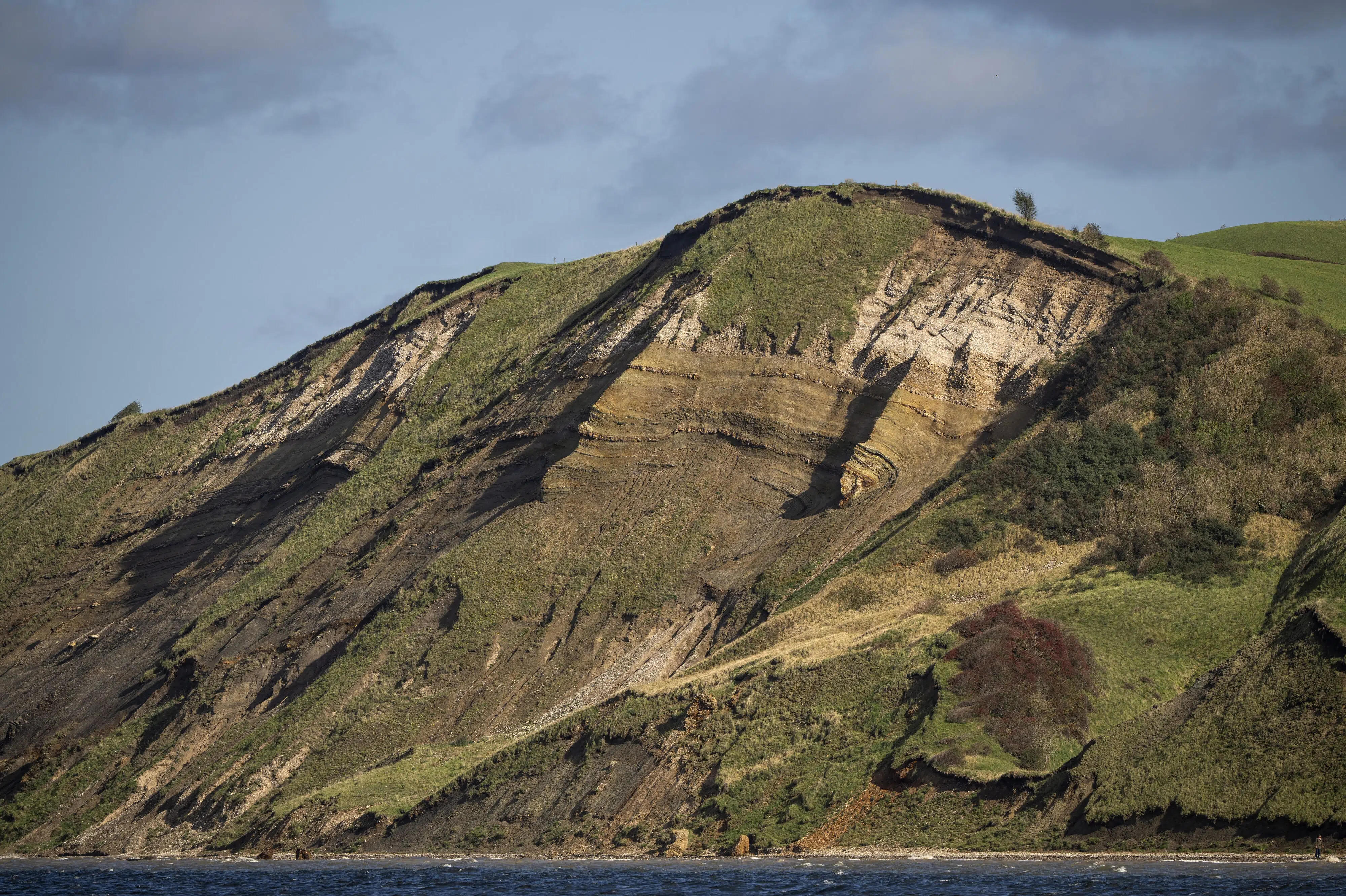
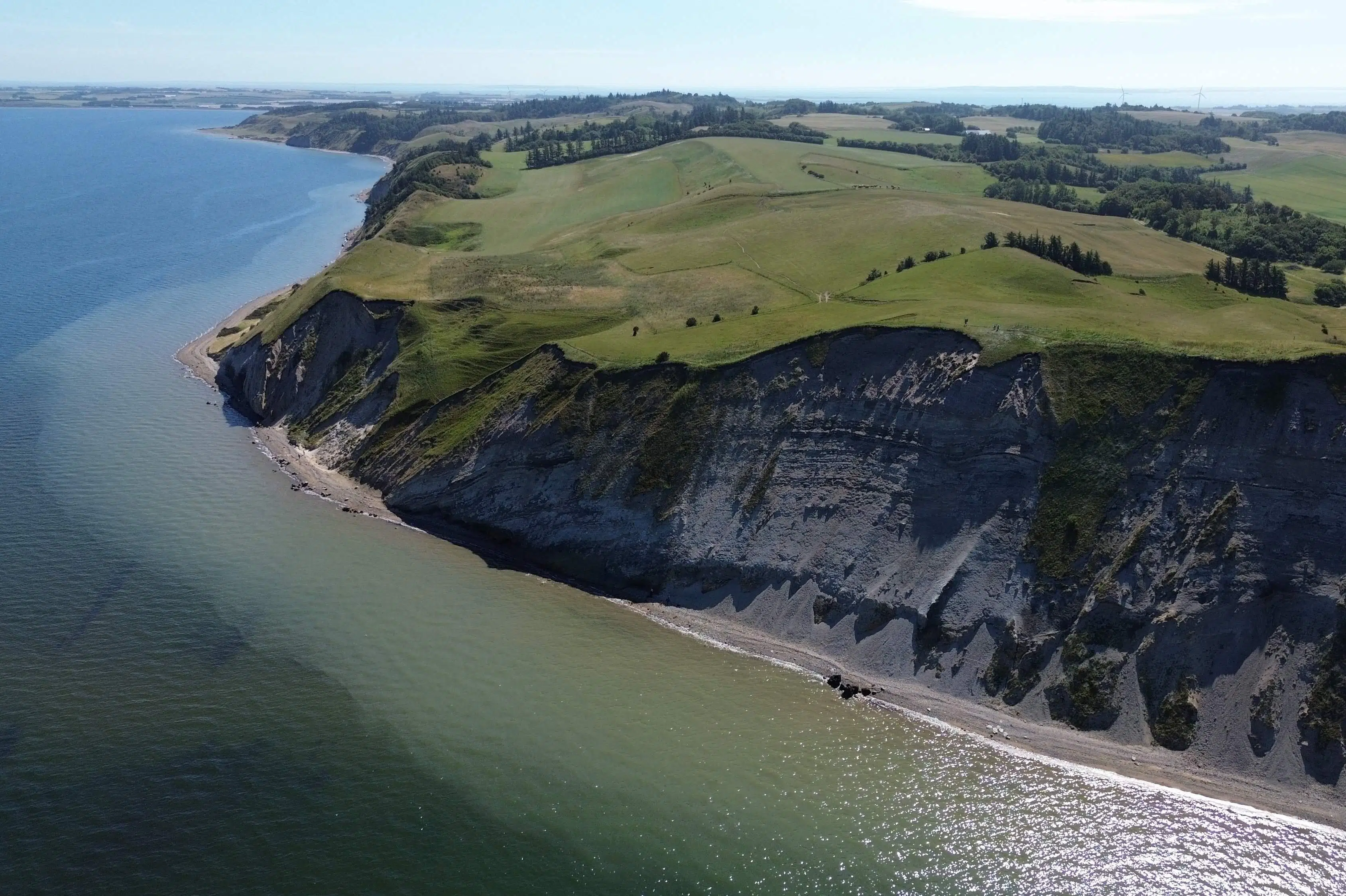
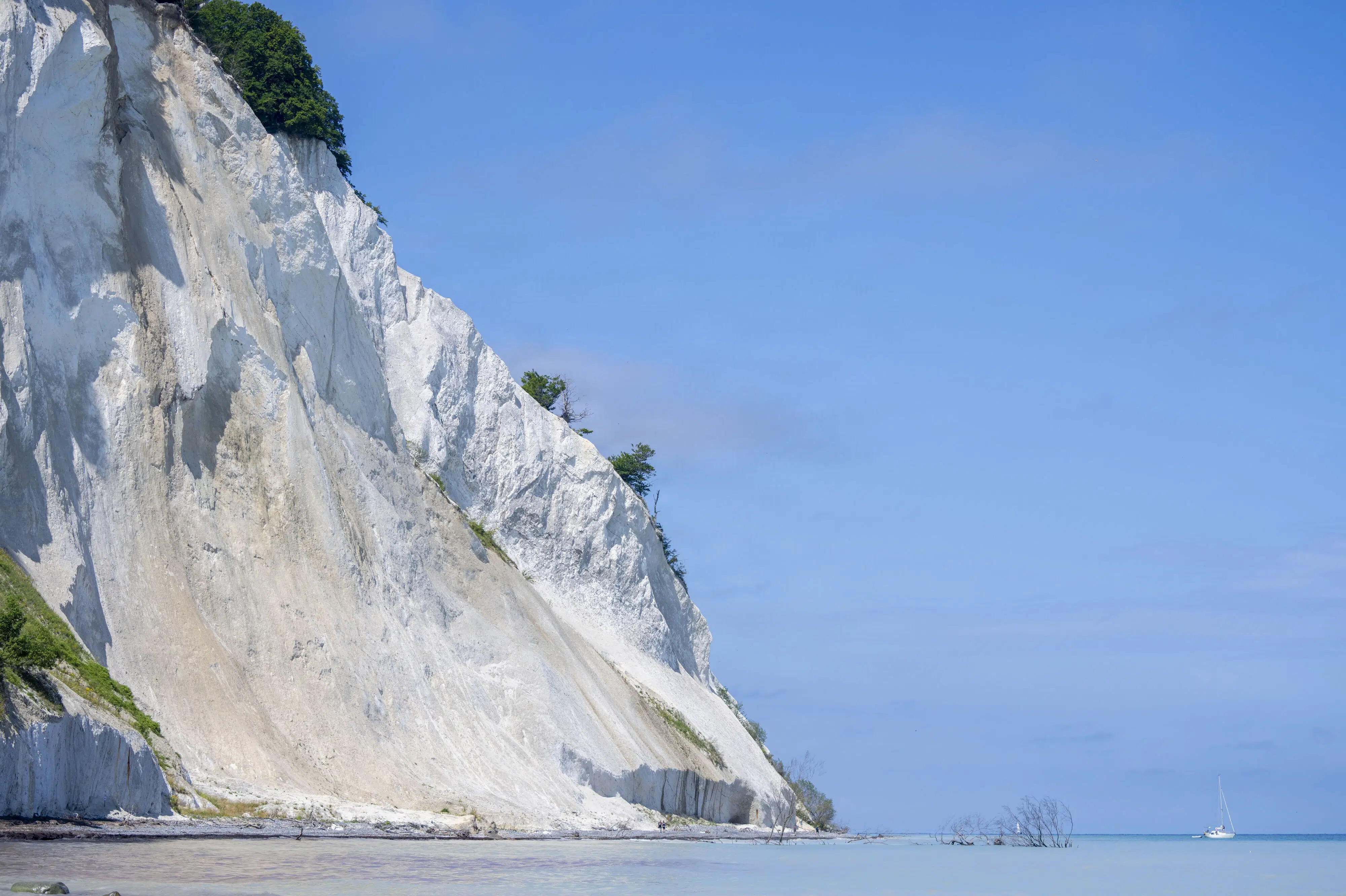
The Danish islands of Mors and Fur, now recognized as UNESCO World Heritage sites for their exceptionally preserved 55- to 56-million-year-old fossils, are bracing for a surge in tourism. Local authorities are initiating infrastructure assessments to ensure the areas can handle the expected influx of visitors.
In Morsø Municipality, Mayor Jens Dahlgaard highlighted the need to examine the existing infrastructure around Hanklit. "We need to look at whether our asphalt road to the cliff is wide enough, or if we need other pockets where one can drive in," he stated. "And then we need to look at toilet facilities and a lot of other practical small things." The municipality hopes the fossils will not only draw tourists to the cliffs but also encourage them to stay and spend money in the wider Mors region, visiting local hotels and restaurants.
We need to look at whether our asphalt road to the cliff is wide enough, or if we need other pockets where one can drive in. And then we need to look at toilet facilities and a lot of other practical small things.
Similarly, the neighboring Skive Municipality, which includes Knudeklint on Fur, is also preparing for more visitors. Mayor Alfred Brunsgaard announced the introduction of shuttle buses on the island starting immediately. "We need to look at parking facilities, toilet facilities, and all the practical things that come with it," he said. Both municipalities anticipate that the World Heritage designation will increase their visibility and attract more visitors.
Rasmus Friis Sørensen, director of the tourism collaboration Destination Limfjorden, projects a 30% increase in tourists to Mors and Fur following the designation. This anticipated growth underscores the economic potential seen by local leaders, who are focused on enhancing the visitor experience and capitalizing on the region's newfound global recognition.
We need to look at parking facilities, toilet facilities, and all the practical things that come with it.
DistantNews Editorial
Originally published by Berlingske in Danish. Translated, summarized, and contextualized by our editorial team with added local perspective. Read our editorial standards.
More Stories

From Our Blog

What Gets Lost (and Found) When News Is Translated

The Critical Role of Diaspora Media in Global News

What Travellers Should Know About Countries with Restricted Press

A Digital Nomad's Guide to Following Local News

How the Same Story Looks Different in Different Countries
