

Danube's Low Water Levels Physically Link Croatian Island to Serbia, Raising Border Concerns
Translated from Romanian, summarized and contextualized by DistantNews.
At a glance
News
Sources not specified
Context piece
- A significant drop in the Danube River's water level has physically connected a popular Croatian island to the Serbian bank.
- The Vukovarska Ada island, usually accessed by boat, is now reachable on foot from Serbia due to exposed sandbanks.
- This phenomenon raises practical issues, including unauthorized vehicle access to Croatian territory, prompting increased border patrols.
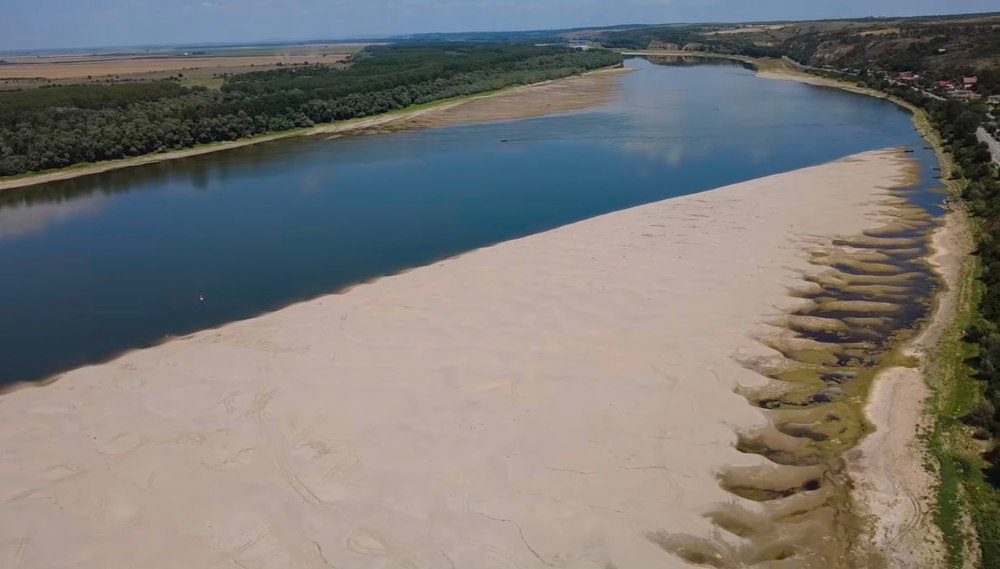
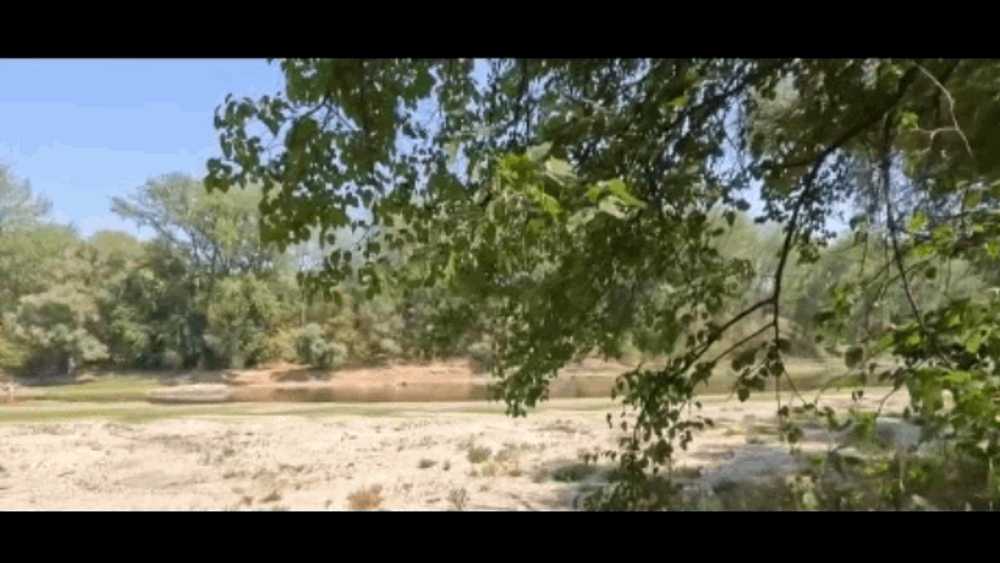
An unusual environmental event has blurred the border between Croatia and Serbia as the Danube River's water level plummets. The popular Vukovarska Ada island, a key recreational spot near Vukovar, Croatia, has become physically attached to the Serbian bank. This dramatic reduction in water has exposed sandbanks, creating a land bridge that allows people to walk from Serbia onto the island.
We will reach the situation where this island, the jewel of the Danube and Vukovar, will be physically connected to the Republic of Serbia.
The narrow channel that once served as a natural border between the two countries has dried up in several places. While the official border remains unchanged, the disappearance of this natural barrier has led to practical complications. Reports indicate a car from Serbia has driven onto the island, which is Croatian territory, prompting Croatian police to increase patrols in the area.
The water has dropped terribly. It has never been like this. But you can cool off a little.
Local officials had warned of such a possibility earlier in the year. Marijan Pavliček, the mayor of Vukovar, had expressed concern that the island, described as the "jewel of the Danube and Vukovar," could become physically connected to Serbia. Despite the low water levels, the island remains a popular destination for swimmers and boaters, though locals express unease about the changing landscape and its implications. The phenomenon highlights the vulnerability of natural borders to environmental shifts and the potential for cross-border disputes.
We should be aware of what is happening, but we are not.
DistantNews Editorial
Originally published by Adevărul in Romanian. Translated, summarized, and contextualized by our editorial team with added local perspective. Read our editorial standards.
More Stories

From Our Blog

What Gets Lost (and Found) When News Is Translated

The Critical Role of Diaspora Media in Global News

What Travellers Should Know About Countries with Restricted Press

A Digital Nomad's Guide to Following Local News

How the Same Story Looks Different in Different Countries
