

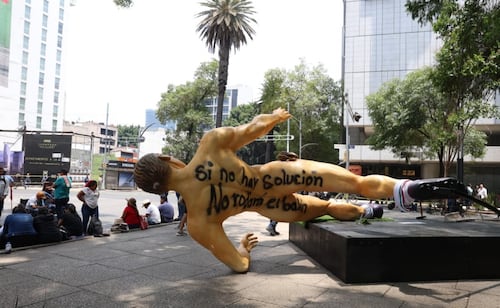

David Faitelson promises naked run to Zócalo if Mexico reaches World Cup 2026 final
Translated from Spanish, summarized and contextualized by DistantNews.
At a glance
News
Sources not specified
Context piece
- Sports journalist David Faitelson promised to run naked to the Zócalo if Mexico reaches the 2026 World Cup final.
- Other journalists made their own colorful promises during a social media dynamic.
- Mexico will host the 2026 World Cup and begins its campaign against South Africa.
As the 2026 World Cup approaches, with Mexico set to co-host the tournament, anticipation is building. The opening match will feature Mexico against South Africa at the Mexico City stadium on June 11. This marks a significant moment for the "Tricolor," as they aim for a strong performance on home soil.
During a social media event following Mexico's last pre-World Cup match, several prominent sports journalists were asked about their commitments should the national team reach the final. The responses ranged from the audacious to the more reserved, reflecting the diverse opinions on Mexico's chances.
David Faitelson, a well-known and often controversial commentator, made a bold pledge: "Nombreeeee... camino encuerado yo hasta el Zócalo" (roughly, "No way... I'll run naked to the Zócalo"). This dramatic promise captured attention, highlighting the high stakes and passionate discourse surrounding the team's potential success.
Other journalists also offered their own unique commitments. Christian Martinoli stated he would simply narrate the final for Azteca 7, questioning why he should make a grander promise when the players are the ones on the field. Andrés Vaca vowed to tattoo the name of the player who scores the goal to reach the final, while Damián "El Ruso" Zamogilny promised to dye his hair green, white, and red with the national eagle emblem.
DistantNews Editorial
Originally published by El Universal in Spanish. Translated, summarized, and contextualized by our editorial team with added local perspective. Read our editorial standards.
More Stories
From Our Blog

What Press Freedom Means for the News You Read

What Gets Lost (and Found) When News Is Translated

The Critical Role of Diaspora Media in Global News

What Travellers Should Know About Countries with Restricted Press

A Digital Nomad's Guide to Following Local News
