


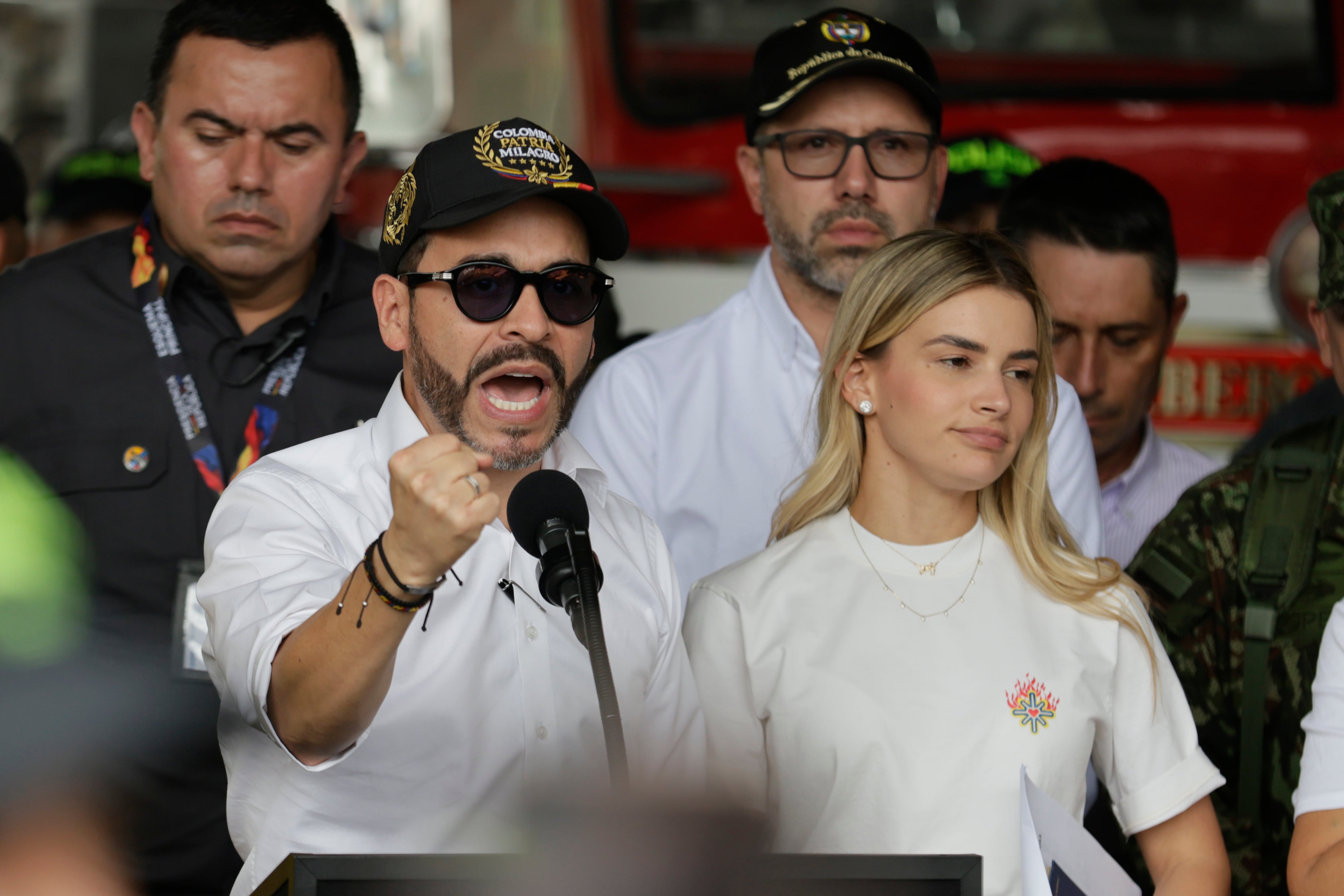
De la Espriella Faces Earthquake Crisis: Action, Personalism, and Foreign Policy Stirrings
Translated from Spanish, summarized and contextualized by DistantNews.
At a glance
News
Named sources
Ongoing story
- New Colombian President Abelardo de la Espriella faces his first major crisis managing a deadly earthquake just days into his term.
- De la Espriella's administration emphasizes governing from the regions, deploying ministers to affected areas and visiting devastated towns.
- The president's response is being tested by criticism over rejecting foreign aid and initial communication challenges, while he benefits from public faith.
Colombian President Abelardo de la Espriella, a criminal lawyer with no prior public office, found his leadership immediately tested by a devastating earthquake that struck the country less than three days into his term. The quake has claimed nearly 300 lives and left thousands homeless, forcing De la Espriella to pivot from his initial plans to tackle security, health, or fiscal crises. This natural disaster presents a critical juncture for his presidency: success could pave the way for a "Marshall Plan" of reconstruction, while failure could see the early disaster haunt his administration.
De la Espriella's administration has made a point of governing from the regions, aiming to decentralize power away from the capital, Bogotá. He deployed members of his cabinet to the three most affected regions and personally met with local leaders in Chocó, Risaralda, and Valle del Cauca. Visiting El Cairo, a municipality where 80% of infrastructure was destroyed, he declared, "I am a son of the province, like you, I am also from the people." This focus on regional engagement led him to cancel his ministers' attendance at an important business summit in Cartagena to concentrate efforts on the disaster zones.
Despite the administration's efforts, criticism has emerged, particularly regarding the rejection of aid from foreign rescue teams. However, the article notes a lack of public outcry or rejection of De la Espriella's visits from affected populations, contrasting with scenes of anger seen in other disaster situations. The president, who speaks of miracles and religion, appears to be benefiting from a period of public trust, as state emergency services have been mobilized. Yet, the response has not been without setbacks.
I am a son of the province, like you, I am also from the people.
One significant challenge to De la Espriella's decentralization agenda arose when he was forced to return to Bogotá due to the earthquake, as crisis management centers and his cabinet are based there. Furthermore, the initial hours of the emergency were hampered by a lack of trusted personnel in charge. De la Espriella had refused to transition with the previous administration, and the head of the National Unit for Disaster Risk Management, Javier Pava, a Petro ally, remained in his post. Pava himself acknowledged the mutual distrust, stating, "They distrusted me, and I distrusted them."
This distrust also fueled confusion over the rejection of international aid. Pava initially suggested Colombian rescuers were sufficient, but later indicated the government might prioritize aid from Israel or the United States over Mexico. The foreign ministry later issued a statement claiming work with countries regardless of ideology, yet aid was only approved from allied governments like Ecuador, El Salvador, the United States, and Israel, notably excluding Mexico, to the surprise of its left-wing president. A communication breakdown also emerged as De la Espriella landed in Bogotá.
They distrusted me, and I distrusted them.
DistantNews Editorial
Originally published by El País in Spanish. Translated, summarized, and contextualized by our editorial team with added local perspective. Read our editorial standards.
More Stories



From Our Blog

What Gets Lost (and Found) When News Is Translated

The Critical Role of Diaspora Media in Global News

What Travellers Should Know About Countries with Restricted Press

A Digital Nomad's Guide to Following Local News

How the Same Story Looks Different in Different Countries
