


Deadly dengue strain spreads in Asia; military deployed in Sri Lanka
Translated from Polish, summarized and contextualized by DistantNews.
At a glance
News
Sources not specified
Ongoing story
- Sri Lanka is experiencing its worst dengue epidemic in a decade, with over 76,000 infections and 53 deaths reported.
- The overwhelmed healthcare system is struggling, and the military has been deployed to combat the mosquitoes spreading the disease.
- A more virulent strain, DENV-2, is responsible for approximately 75% of the current cases, exacerbating the outbreak.
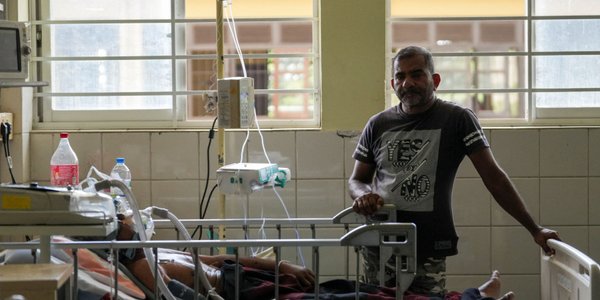
Sri Lanka is grappling with its most severe dengue epidemic in ten years, reporting over 76,000 infections and 53 fatalities, according to Reuters. The nation's healthcare system is stretched to its limits, prompting the deployment of the military to assist in the fight against the mosquitoes that transmit the disease.
The scale of the current outbreak is approaching levels seen in 2017, when over 100,000 people were infected. In the first half of July alone, more than 18,000 new infections were confirmed, following over 21,500 cases in June. The surge is attributed to a more virulent strain of the dengue virus, DENV-2, which is linked to about 75% of the cases.
Dengue is a mosquito-borne viral illness characterized by high fever and muscle aches. "There are very many patients, and the course of the disease is severe for many of them," admitted Kapila Kannangara from the National Dengue Control Unit. Hospitals are rapidly adding beds and converting wards to manage the patient load, with those exhibiting milder symptoms being sent home.
Authorities have enlisted the military's support. The air force is utilizing drones to identify standing water reservoirs where mosquitoes breed, while soldiers are involved in house inspections. Nearly 11,000 potential breeding sites have been cleared, and over 4,000 fines have been issued. However, experts fear that after a temporary decline in cases expected in August, the problem may resurface in November with the onset of the next rainy season.
There are very many patients, and the course of the disease is severe for many of them.
DistantNews Editorial
Originally published by Rzeczpospolita in Polish. Translated, summarized, and contextualized by our editorial team with added local perspective. Read our editorial standards.
More Stories



From Our Blog

What Gets Lost (and Found) When News Is Translated

The Critical Role of Diaspora Media in Global News

What Travellers Should Know About Countries with Restricted Press

A Digital Nomad's Guide to Following Local News

How the Same Story Looks Different in Different Countries
