


Death Risk Jumps 1.16 Times Above 38°C Heat: South Korea Issues New Health Guidelines
Translated from Korean, summarized and contextualized by DistantNews.
At a glance
News
Sources not specified
New plan
- South Korea's Korea Disease Control and Prevention Agency (KDCA) has issued guidelines for preventing heat-related illnesses.
- The risk of death increases by 1.16 times when the apparent temperature exceeds 38 degrees Celsius.
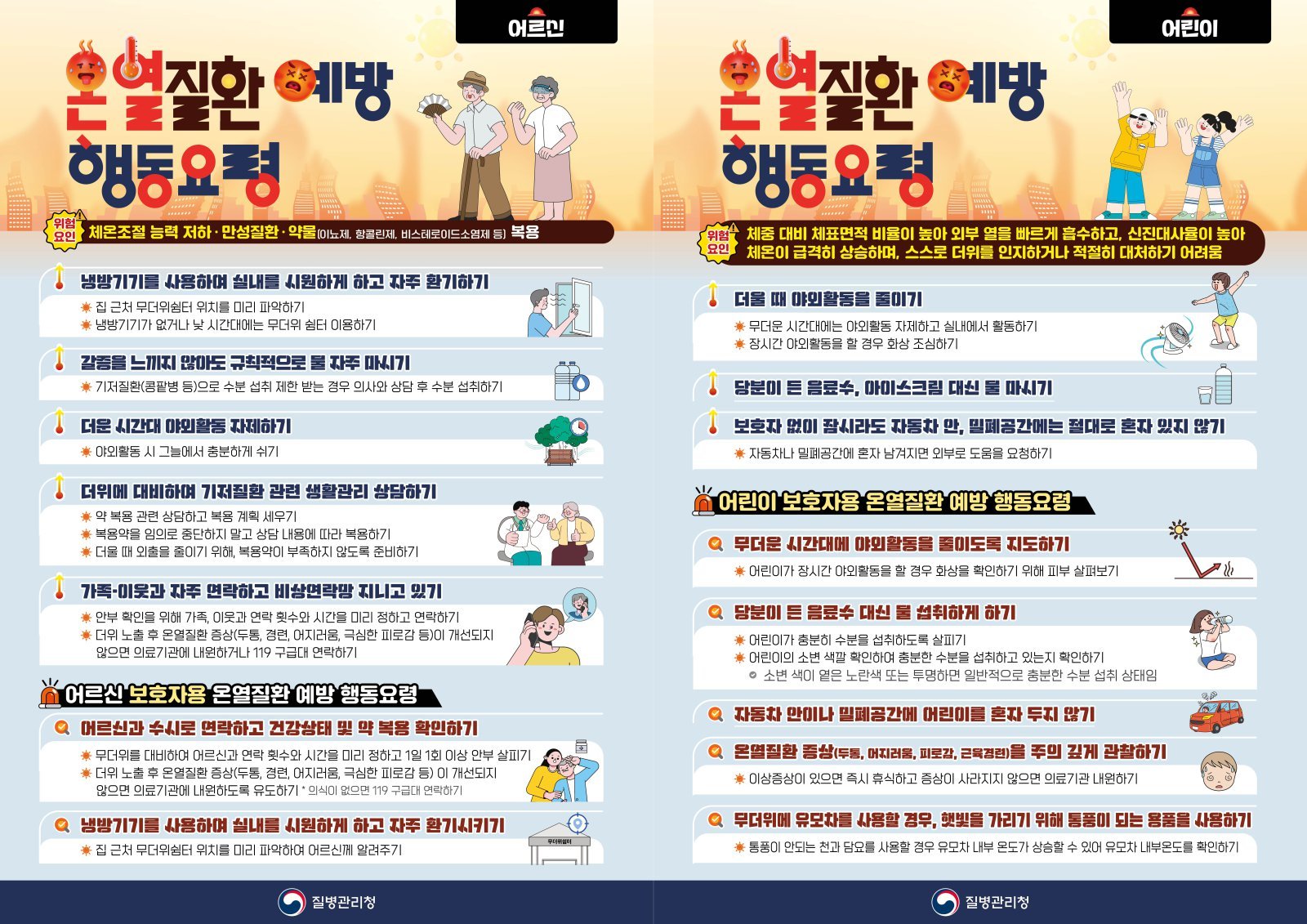
- The guidelines target vulnerable groups, including the elderly, disabled, pregnant women, children, and those with pre-existing conditions.
The Korea Disease Control and Prevention Agency (KDCA) is urging the public to take precautions against extreme heat, as new analysis reveals a significant increase in mortality risk during heatwaves. When the apparent temperature surpasses 38 degrees Celsius, the risk of death rises by 1.16 times, with a particular increase in cardiovascular disease mortality by 1.14 times.
The agency has developed eight specific action plans tailored to vulnerable populations, including the elderly, individuals with disabilities, pregnant women, children, and those with chronic conditions such as heart disease, kidney disease, diabetes, and hypertension. These guidelines emphasize common health advice like drinking water, seeking shade, and resting, but also include specific considerations for each group.
For instance, the elderly are advised to limit outdoor activities and drink water regularly, but those with conditions like kidney disease should consult a doctor before increasing fluid intake. The KDCA also highlights the heightened risk for individuals who are socially and economically disadvantaged or live alone. Men generally face a higher risk of severe heat illness, though this difference diminishes among those aged 65 and older.
These preventive measures will be distributed via posters to local governments and health centers, and will also be available on the KDCA website. "The analysis results confirmed the need to recognize the seriousness of heatwaves and identify groups vulnerable to heat-related illnesses," stated KDCA Commissioner Lim Seung-gwan. "We plan to actively inform local communities and the public about the action plans for preventing heat-related illnesses."
The analysis results confirmed the need to recognize the seriousness of heatwaves and identify groups vulnerable to heat-related illnesses. We plan to actively inform local communities and the public about the action plans for preventing heat-related illnesses.
DistantNews Editorial
Originally published by Dong-A Ilbo in Korean. Translated, summarized, and contextualized by our editorial team with added local perspective. Read our editorial standards.
More Stories



From Our Blog

What Gets Lost (and Found) When News Is Translated

The Critical Role of Diaspora Media in Global News

What Travellers Should Know About Countries with Restricted Press

A Digital Nomad's Guide to Following Local News

How the Same Story Looks Different in Different Countries
