


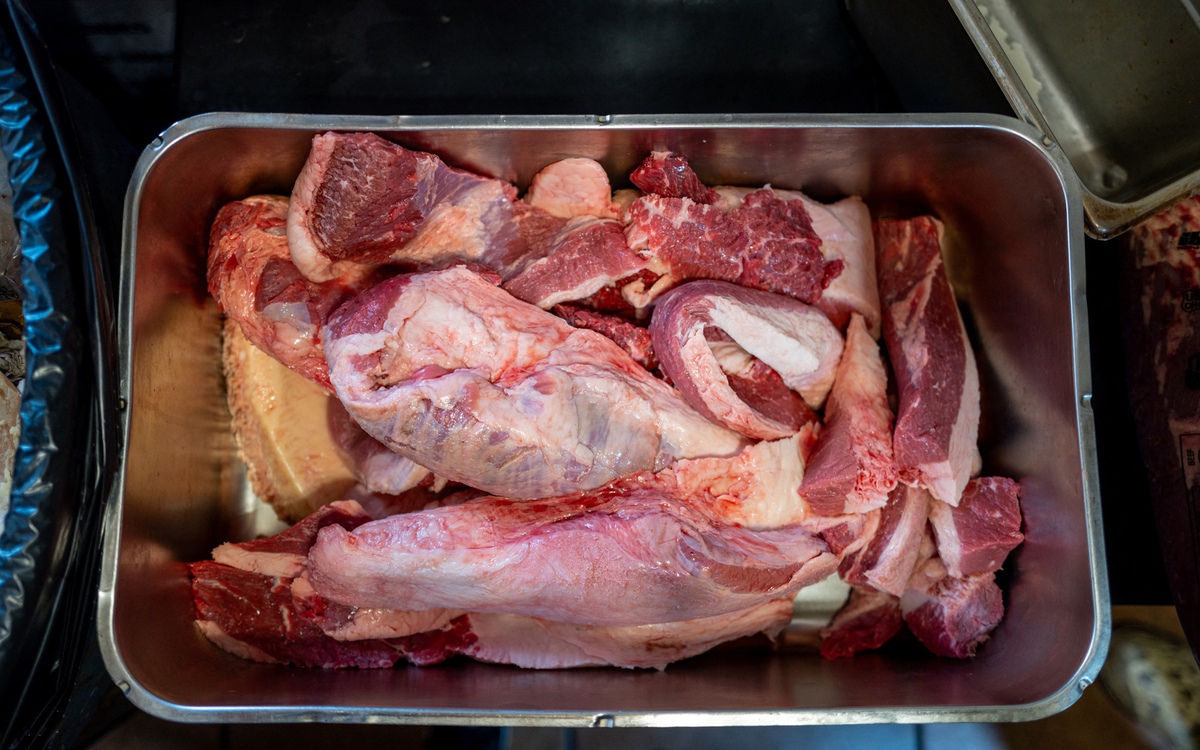
Debate over healthy eating in the US: Meat-eaters increasingly dominate vegetarians
Translated from Vietnamese, summarized and contextualized by DistantNews.
At a glance
News
Named sources
Context piece
- A growing number of Americans believe eating more meat is healthier, with "protein" surpassing "fresh" as the top health food criterion in 2025.
- Proponents, like Dr. Ken Berry, claim significant health improvements, including weight loss and disease reversal, from meat-heavy diets.
- However, health experts like Walter Willett warn of nutrient deficiencies and environmental impacts, calling the carnivore diet a "terrible idea."
A shift in dietary beliefs is occurring in the United States, with a growing segment of the population embracing meat-heavy diets. A 2025 survey by the International Food Information Council (IFIC) revealed that "protein" has overtaken "fresh" as the primary characteristic Americans associate with healthy food. Seventy percent of Americans now prioritize protein intake, a notable increase from 62% in 2021.
Advocates for this trend, such as Dr. Ken Berry, a proponent of the carnivore diet, report remarkable personal health benefits. Berry claims to have lost over 30 kilograms and reversed chronic conditions, including pre-diabetes, since adopting a diet consisting mainly of meat nine years ago. He argues that many Americans have long misunderstood nutrition, citing whole grains and fruit juices as examples of foods that, while sustaining life, do not optimize health. Berry asserts that common staples like bread and oatmeal can cause inflammation for most people.
I live on beef, butter, bacon, and eggs.
Berry, a keynote speaker at the Meatstock 2026 conference, which attracted 1,600 carnivore and keto adherents, believes that human genetics have remained unchanged for millennia, suggesting our diet should primarily consist of meat. He contends that the rising popularity of meat-centric diets stems from individuals reporting tangible health improvements.
We haven't genetically changed compared to 100,000 years ago. Therefore, our diet should primarily be meat, or all meat.
Despite the growing enthusiasm, the high-meat diet trend faces significant criticism from the scientific and medical communities. Walter Willett, a professor of epidemiology and nutrition at Harvard T.H. Chan School of Public Health, labels the carnivore diet a "terrible idea." He warns of potential deficiencies in fiber and other essential nutrients, alongside the environmental consequences of excessive meat consumption. Critics also point to the long-term sustainability challenges and the lack of robust clinical evidence supporting the safety of such diets.
Adding to the debate, the U.S. Department of Health and Human Services and the U.S. Department of Agriculture's "Dietary Guidelines for Americans 2025-2030" have shifted their traditional food pyramid model. The new guidelines now prioritize protein and whole foods over carbohydrates, reflecting a broader discussion about nutritional priorities.
It's a terrible idea.
DistantNews Editorial
Originally published by Tuổi Trẻ in Vietnamese. Translated, summarized, and contextualized by our editorial team with added local perspective. Read our editorial standards.
More Stories



From Our Blog

What Gets Lost (and Found) When News Is Translated

The Critical Role of Diaspora Media in Global News

What Travellers Should Know About Countries with Restricted Press

A Digital Nomad's Guide to Following Local News

How the Same Story Looks Different in Different Countries
