


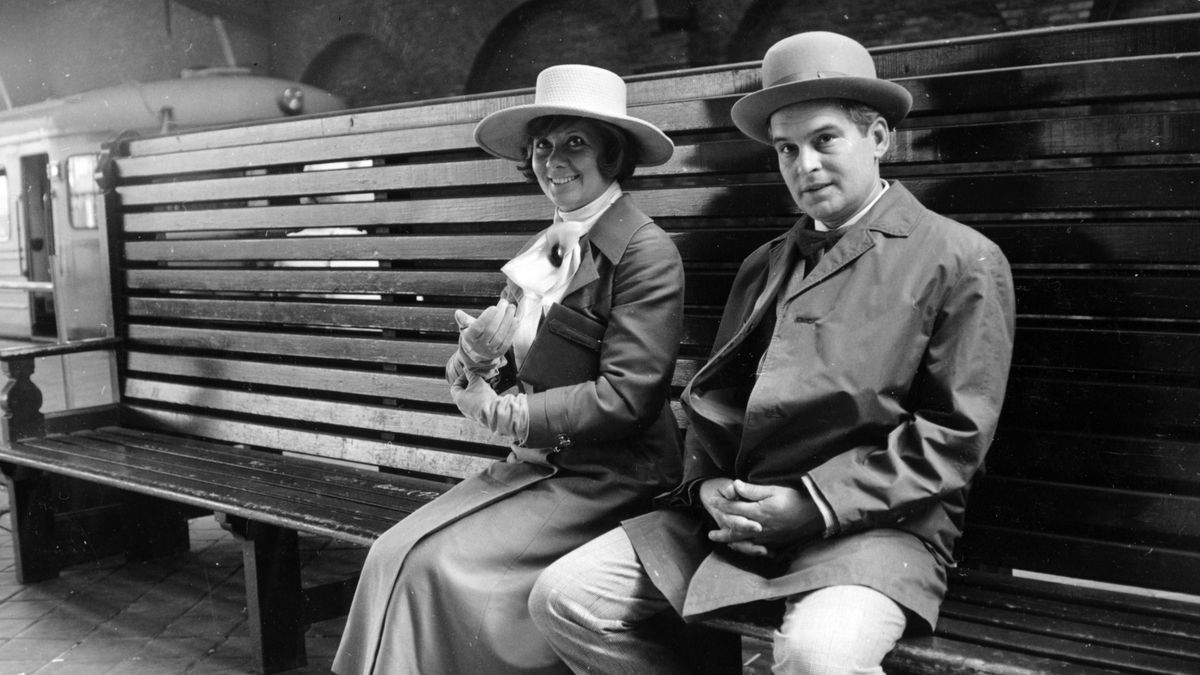
Declassified Files Reveal State Security's Misunderstanding of Actor Zoltán Latinovits
Translated from Hungarian, summarized and contextualized by DistantNews.
At a glance
News
Sources not specified
Context piece
- Zoltán Latinovits, a celebrated Hungarian actor who died 50 years ago, is being re-examined through declassified state security documents.
- The documents reveal he was considered problematic by the communist regime due to his alleged right-wing leanings, support for the 1956 revolution, and aristocratic background.
- Despite being monitored, Latinovits openly criticized the regime's treatment of artists and intellectuals, highlighting his complex relationship with the authorities.
Zoltán Latinovits, a towering figure in Hungarian theater and film, was more than just an actor; he was a man misunderstood by the very system he lived under. Fifty years after his death, declassified state security files offer a glimpse into how the communist regime viewed him, labeling him a problematic artist.
the actor-king, but in some respects also the most misunderstood artist of his time.
From as early as 1958, when he was performing at the Csokonai Theater in Debrecen, security reports noted his "strongly right-wing leanings" and support for the 1956 revolution. These documents also highlighted his aristocratic origins and alleged continued contact with friends who had fled to the West. This surveillance extended to his interactions with other artists and intellectuals deemed "deviant" by the state.
his strongly right-wing orientation, and that he remained its supporter even two years later.
One notable instance involved writer István Császár, whose work was suppressed by the regime. In 1971, Latinovits publicly praised Császár at a literary event, drawing parallels between his unjustly treated work and that of other Hungarian literary figures like Gyula Krúdy. Latinovits also openly criticized communist ideologue György Lukács's views on Hungarian literature, advocating for works that explored societal problems, implicitly referencing the issues within the socialist system. These actions, particularly his support for Császár, who had been convicted for illegally crossing the border after 1956, further cemented Latinovits's negative standing within the secret service.
he had to get as close as possible to the writer.
His relationships with fellow artists, such as actor and director József Szendrő, also came under scrutiny. Szendrő, who had worked with Latinovits and was himself under state security surveillance, was a friend. The files suggest that the regime's perception of Latinovits was not only shaped by his personal beliefs but also by his associations and his willingness to openly challenge the cultural and political norms of the Kádár era.
works that explore societal problems, like Császár's.
DistantNews Editorial
Originally published by Magyar Nemzet in Hungarian. Translated, summarized, and contextualized by our editorial team with added local perspective. Read our editorial standards.
More Stories
From Our Blog

Countries Without a Free Press: What You Need to Know

What Press Freedom Means for the News You Read

What Gets Lost (and Found) When News Is Translated

The Critical Role of Diaspora Media in Global News

What Travellers Should Know About Countries with Restricted Press
