

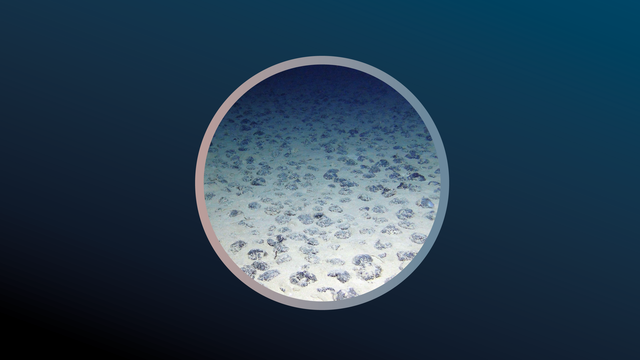
Deep-sea mining: What could be extracted?
Translated from German, summarized and contextualized by DistantNews.
At a glance
News
Sources not specified
Ongoing story
- Germany is sending a delegation of nine experts to the International Seabed Authority (ISA) meeting in Jamaica.
- The meeting will discuss whether corporations should be allowed to mine the deep seabed for resources like copper and rare earths.
- Environmental groups and some nations advocate for leaving the largely unexplored deep-sea ecosystems undisturbed.
Germany is sending a delegation of nine experts to the 31st session of the International Seabed Authority (ISA) in Kingston, Jamaica, to participate in crucial discussions about deep-sea mining. The ISA, a UN organization, is tasked with regulating activities on the ocean floor.
At the heart of the debate is the question of whether corporations should be permitted to exploit the deep seabed for valuable resources such as copper, rare earth elements, and gold. This potential exploitation raises significant concerns about the impact on one of the Earth's last pristine natural environments.
Germany, often seen as a proponent of environmental caution, is represented by its "model students" at the talks. The core tension lies between the potential economic benefits of mining these deep-sea resources and the imperative to protect largely unexplored ecosystems that exist many kilometers below the ocean's surface.
The ISA meeting, which continues until the end of the month, will determine the future regulatory framework for deep-sea mining, balancing industrial interests with environmental preservation. The decisions made could have long-lasting consequences for marine biodiversity and the health of the planet's oceans.
DistantNews Editorial
Originally published by Die Zeit in German. Translated, summarized, and contextualized by our editorial team with added local perspective. Read our editorial standards.
More Stories

From Our Blog

What Gets Lost (and Found) When News Is Translated

How the Same Story Looks Different in Different Countries

The Critical Role of Diaspora Media in Global News

What Travellers Should Know About Countries with Restricted Press

A Digital Nomad's Guide to Following Local News
