

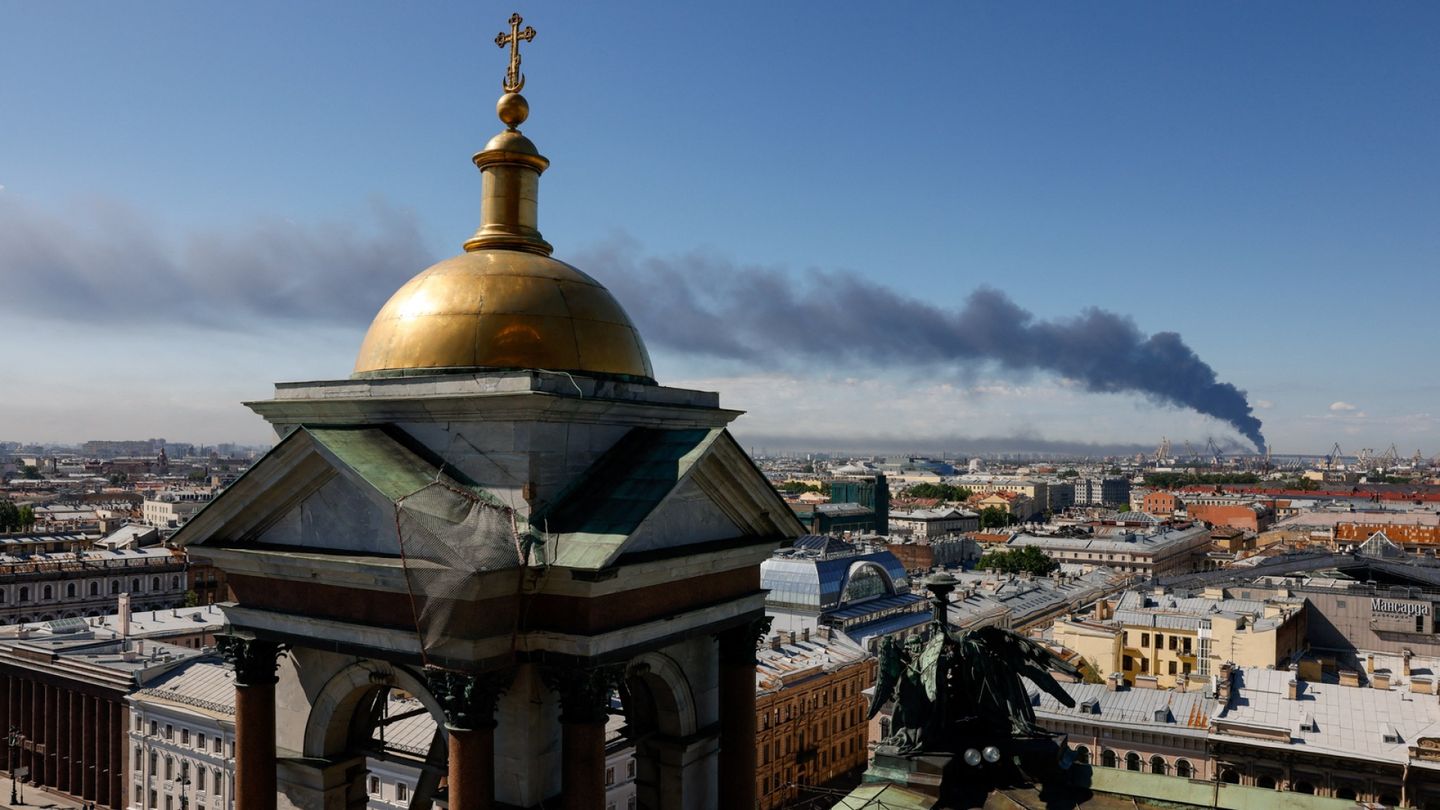

Defense Spending: Arms Race Doesn't Eliminate War Threat
Translated from Finnish, summarized and contextualized by DistantNews.
At a glance
Opinion
Sources not specified
Context piece
- A parliamentary working group proposed doubling Finland's defense spending by 2029.
- The article argues that increased military spending does not guarantee the prevention of war and that public support for significant increases is limited.
- Despite higher spending by EU nations compared to Russia, the article questions the direct link between expenditure and war prevention.
Finland's parliamentary working group has proposed a significant increase in defense spending, aiming to double it by 2029. However, the article cautions against a simplistic cause-and-effect relationship between military expenditure and the outbreak of war. It highlights that war can occur regardless of defense budgets, citing the example of World War I, where extensive preparations did not prevent the conflict and may have even contributed to it.
The proposal also faces nuanced public opinion. While a majority of Finns have supported increased defense funding since the start of the Ukraine war, only a fifth favor "significant" hikes, according to a 2025 survey. The article notes that the current proposed doubling, following a previous doubling between 2020 and 2026, represents a substantial increase that has not been met with widespread public endorsement, with the majority opposing such significant rises remaining largely silent.
There are other possible futures. It is possible that war will not break out, even if defense spending remains at its current level or decreases. On the other hand, war can break out even if defense spending is increased as proposed. No amount of investment in war preparedness will eliminate the threat of war.
Furthermore, the article points to the collective military spending of EU countries and the UK, which reportedly triples that of Russia. This suggests that, if acting in concert, European nations already possess the capability to counter a potential Russian aggression. The author, Kari Paasonen, a doctoral researcher at the Tampere Peace Research Institute, implies that focusing solely on increased national defense spending may overlook the broader geopolitical context and the potential for collective security measures.
However, only a fifth of respondents support increasing funds "significantly".
DistantNews Editorial
Originally published by Helsingin Sanomat in Finnish. Translated, summarized, and contextualized by our editorial team with added local perspective. Read our editorial standards.
More Stories


From Our Blog

What Gets Lost (and Found) When News Is Translated

The Critical Role of Diaspora Media in Global News

What Travellers Should Know About Countries with Restricted Press

A Digital Nomad's Guide to Following Local News

How the Same Story Looks Different in Different Countries
