


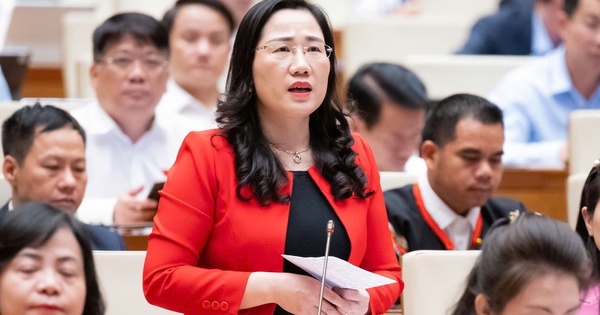
Delegate Urges Ban on Integrated Supplementary Programs in Public Schools Amidst Parental Cost Concerns
Translated from Vietnamese, summarized and contextualized by DistantNews.
TLDR
- A Vietnamese National Assembly delegate has called for a ban on integrating supplementary learning programs into the regular school day, citing parental financial burdens and potential psychological harm to students.
- Delegate Nguyễn Thị Thủy highlighted that while public schools offer free tuition and lunch support, parents face significant costs for these extra programs, which are often contracted out to private companies.
- The delegate urged the Ministry of Education and Training to increase inspections and strictly prohibit the scheduling of these programs during core class hours, emphasizing the need for transparency and fairness in public education.
Thanh Niên reports on a significant concern raised by National Assembly delegate Nguyễn Thị Thủy regarding the proliferation of supplementary learning programs in public schools. The delegate's strong advocacy for banning the integration of these programs into the official school schedule reflects a growing unease among parents and educators about the commercialization of education.
Don't let parents bear a huge cost.
Delegate Thủy's critique centers on two main points: the financial strain on parents and the potential negative impact on students' well-being. She points out the irony of public schools, which are meant to be accessible, imposing substantial costs on families through these 'linked' or supplementary programs. The concern that these programs are scheduled alongside core curriculum, potentially isolating students who do not participate, is particularly striking. This practice, she argues, risks turning public schools into service providers rather than educational institutions, echoing a sentiment previously expressed by top leadership.
Schools cannot be turned into places for service and money collection.
From a Vietnamese perspective, this issue touches upon the core principles of public education and equity. The delegate's call to action resonates with the desire to maintain the integrity of the public school system and protect families from undue financial burdens. The emphasis on transparency in finances and equitable cost-sharing underscores a commitment to the public nature of these institutions. Furthermore, the delegate's reference to the President's remarks adds weight to the argument, signaling that this is not just a grassroots concern but one that has reached the highest levels of government. The call for stricter oversight and a potential ban highlights a desire to curb practices that may undermine the fundamental purpose of public education.
Strictly prohibit the scheduling of linked learning programs interspersed with regular class hours.
DistantNews Editorial
Originally published by Thanh Niên in Vietnamese. Translated, summarized, and contextualized by our editorial team with added local perspective. Read our editorial standards.
More Stories


From Our Blog

What Gets Lost (and Found) When News Is Translated

The Critical Role of Diaspora Media in Global News

What Travellers Should Know About Countries with Restricted Press

A Digital Nomad's Guide to Following Local News

How the Same Story Looks Different in Different Countries
