

Delhi Gymkhana Club ordered to vacate land; Lahore club retains elite status with nominal rent
Translated from English, summarized and contextualized by DistantNews.
At a glance
News
Sources not specified
New plan
- India has ordered the Delhi Gymkhana Club to vacate its land by June 5, citing a lease clause and public purpose.
- The club, established in 1913 for British officers and later inherited by elites, will fight the decision in court.
- In contrast, Lahore Gymkhana, also established in 1913 on valuable state land, has had its lease repeatedly extended and pays a nominal annual rent of Rs 5,000.
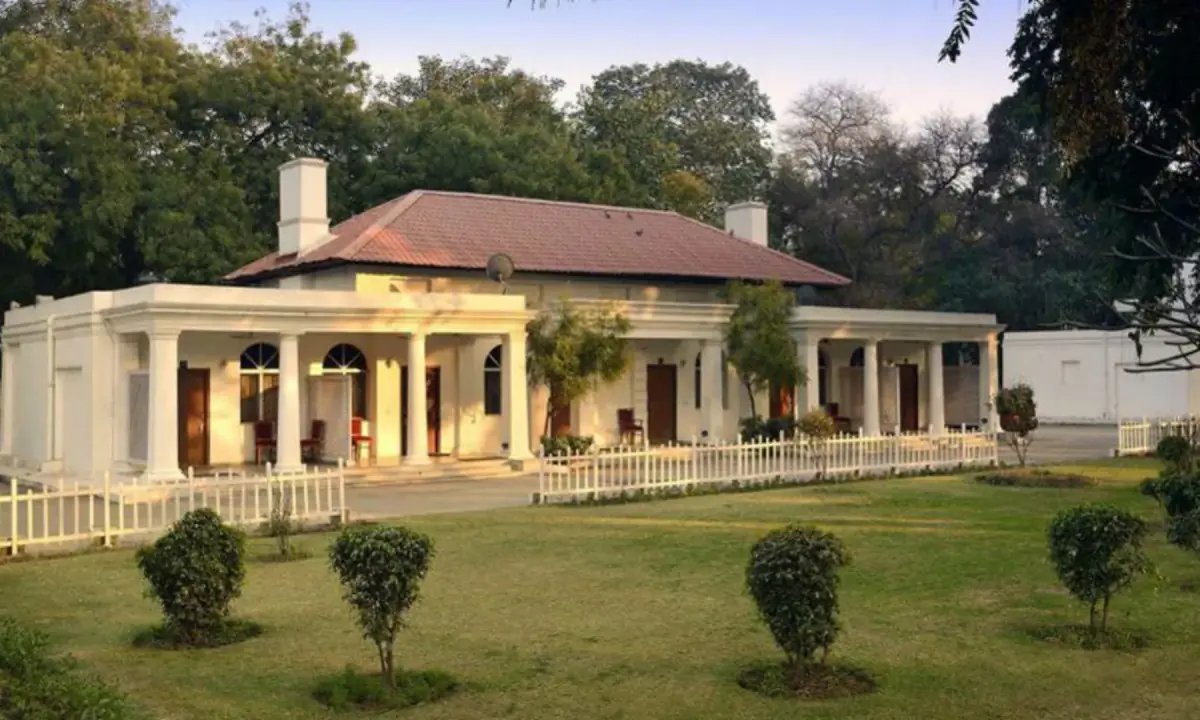
The Delhi Gymkhana Club, a historic institution established in 1913 for British officers and subsequently used by India's elite, has been ordered by the Indian government to vacate its premises by June 5. The government invoked a clause from the club's own lease, declaring the land for public use, and reclaimed ownership of the land and buildings.
The club, which has been a bastion for bureaucrats, politicians, and the well-connected, has stated its intention to contest the government's decision in court. However, the eviction notice is in effect, and the deadline is imminent.
Meanwhile, the Lahore Gymkhana in Pakistan, founded in the same year and situated on equally prime real estate, operates under vastly different terms. Its lease, which dates back to the British Raj, has been extended multiple times, most recently for 50 years until 2050. The club occupies 112 acres and an additional small parcel of land without proper grant or rent payment for a cricket ground within a public garden.
For its main estate, the Lahore Gymkhana pays a mere Rs 5,000 annually in rent, amounting to less than fifty paisas per kanal for land valued at billions of rupees. Even under a government policy allowing clubs to pay a tenth of market rent, the annual fee would be around Rs 400 million. The club's defense admits to constructing buildings without explicit government approval, despite lease terms requiring it. The stark contrast in how these two similar institutions are treated highlights differing governmental approaches to land use and club governance in India and Pakistan.
DistantNews Editorial
Originally published by Dawn in English. Translated, summarized, and contextualized by our editorial team with added local perspective. Read our editorial standards.
More Stories


From Our Blog

What Gets Lost (and Found) When News Is Translated

The Critical Role of Diaspora Media in Global News

What Travellers Should Know About Countries with Restricted Press

A Digital Nomad's Guide to Following Local News

How the Same Story Looks Different in Different Countries
