


Demand for Student Loans Rises Again in Germany Amidst Bafög Reform Delays
Translated from German, summarized and contextualized by DistantNews.
At a glance
News
Sources not specified
Context piece
- Demand for student loans in Germany increased by over 17% in 2025 compared to the previous year, with 15,200 new contracts signed.
- Analysts attribute the rise partly to the delayed Bafög reform, forcing students to cover financial gaps with loans.
- The federal education loan saw a significant increase, while the KfW loan remains less attractive due to high interest rates and outdated conditions.
The demand for student loans in Germany has seen a notable resurgence, marking the first increase since 2022. An analysis reveals that in 2025, approximately 15,200 new student loan contracts were concluded, representing a rise of over 17 percent compared to the preceding year.
Ulrich Müller, the author of the "Studienkredit-Test 2026" report, pointed to several factors contributing to this trend. A primary reason cited is the ongoing delay in the Bafög reform, Germany's federal student financial aid program. The uncertainty surrounding Bafög has compelled many students to seek alternative financing, leading them to bridge funding gaps with loans.
The report highlights a particularly strong performance by the federal government's education loan, administered by the Federal Office of Administration. New contracts for this loan surged by nearly 40 percent, reaching around 4,600. In contrast, the loan offered by the Kreditanstalt für Wiederaufbau (KfW) saw an eleven percent increase, with close to 8,000 new contracts. However, the CHE expert noted that the KfW loan remains less appealing due to its comparatively high interest rates and outdated terms.
Müller's analysis involved a comparison of 25 different offerings, including student loans, study financing, and educational funds. The findings suggest a growing reliance on credit among German students as they navigate their educational journeys, influenced by policy delays and the availability of different financing options.
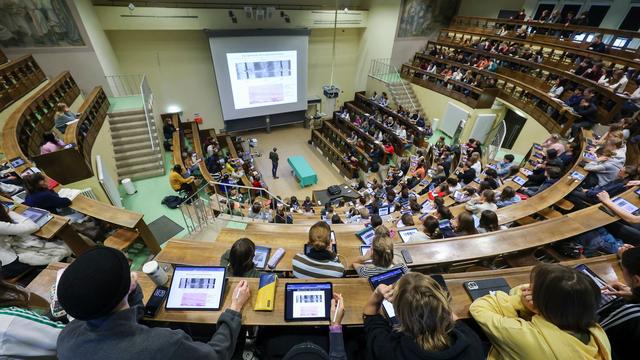
The outstanding Bafög reform, among other factors, led to an increase in demand for student loans.
DistantNews Editorial
Originally published by Die Zeit in German. Translated, summarized, and contextualized by our editorial team with added local perspective. Read our editorial standards.
More Stories


From Our Blog

What Gets Lost (and Found) When News Is Translated

How the Same Story Looks Different in Different Countries

The Critical Role of Diaspora Media in Global News

What Travellers Should Know About Countries with Restricted Press

A Digital Nomad's Guide to Following Local News
