


Democratic Party convention sees escalating rhetoric and internal clashes
Translated from Korean, summarized and contextualized by DistantNews.
At a glance
News
Sources not specified
Context piece
- The Democratic Party's national convention is seeing escalating rhetoric and clashes between factions.
- Internal disputes involve accusations of factionalism and debates over party leadership and prosecutorial reform.
- The party faces declining approval ratings, with concerns about losing its core support base.
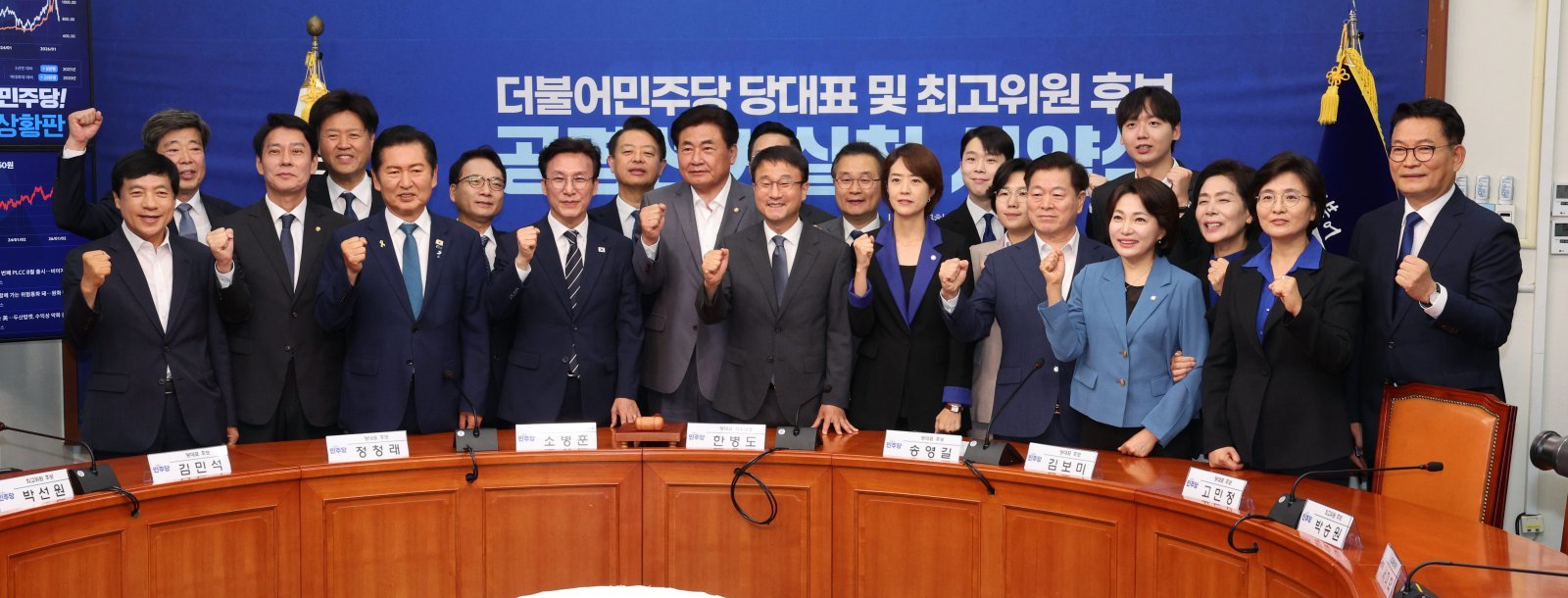
The Democratic Party is experiencing heightened internal conflict as its national convention approaches, marked by increasingly sharp exchanges between different factions.
Key figures are engaged in a public spat, with one prominent voice calling for an end to the "Myung-cheong War," while another asserts they have "never left the party." A third emphasizes accountability through results. These exchanges highlight deep divisions within the party.
Disputes have erupted within the party's supreme council, particularly concerning a vote for a supreme council member associated with the "pro-Cheong" faction, which some perceive as a form of preferential treatment. Simultaneously, the party is grappling with a slight dip in President Lee's approval ratings, fueling speculation about a potential alienation of its core supporters.
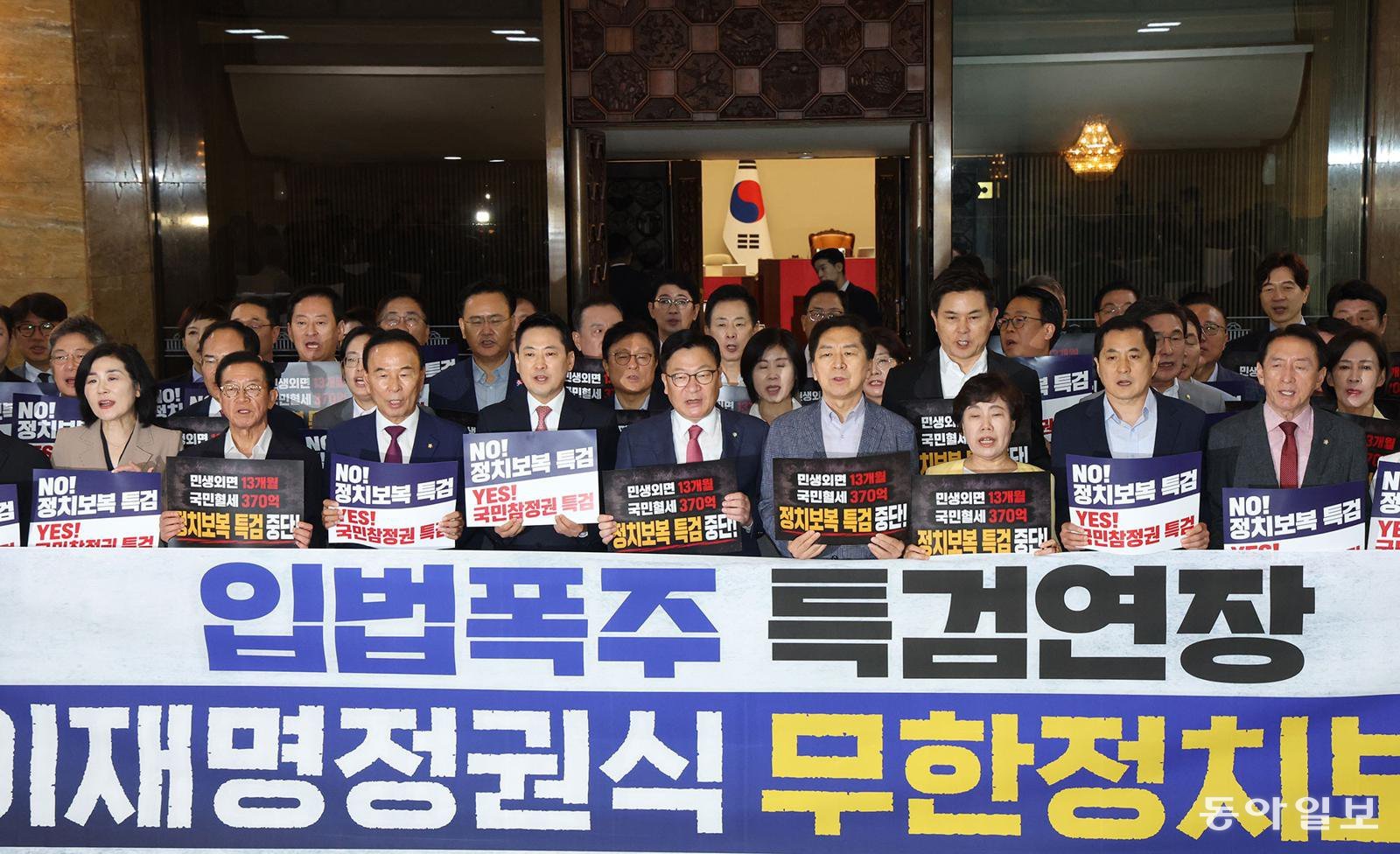
Further complicating matters are controversies surrounding the deposit fees for the national convention and debates over prosecutorial reform. While some within the party argue that prosecutorial powers should be retained even if supplementary investigations are necessary, others, like Han Dong-hoon, are wading into the debate. The party also faces scrutiny over allegations of preferential treatment in an audit of the presidential residence, leading to the arrest of Yoo Byung-ho. Separately, an investigation has been launched into alleged sedition involving Cho Seong-hyeon, with recordings suggesting ongoing "operations."
DistantNews Editorial
Originally published by Hankyoreh in Korean. Translated, summarized, and contextualized by our editorial team with added local perspective. Read our editorial standards.
More Stories

From Our Blog

What Gets Lost (and Found) When News Is Translated

The Critical Role of Diaspora Media in Global News

What Travellers Should Know About Countries with Restricted Press

A Digital Nomad's Guide to Following Local News

How the Same Story Looks Different in Different Countries
