


Democratic Party's Park Sung-joon: 'Sympathize with Real Estate Tax Intent, But Public Resistance is Severe'
Translated from Korean, summarized and contextualized by DistantNews.
At a glance
News
Named sources
Context piece
- Park Sung-joon, the senior spokesperson for the Democratic Party of Korea, stated that while the party understands the intent behind the government's real estate tax proposals, public resistance is significant.
- The Democratic Party has strongly urged the government to revise the comprehensive real estate holding tax plan to not differentiate between homeowners based on whether they reside in the property.
- Park cited concerns from Seoul-based lawmakers, including party leader Kim Min-seok, about potential public backlash if the tax plan is passed without amendments.
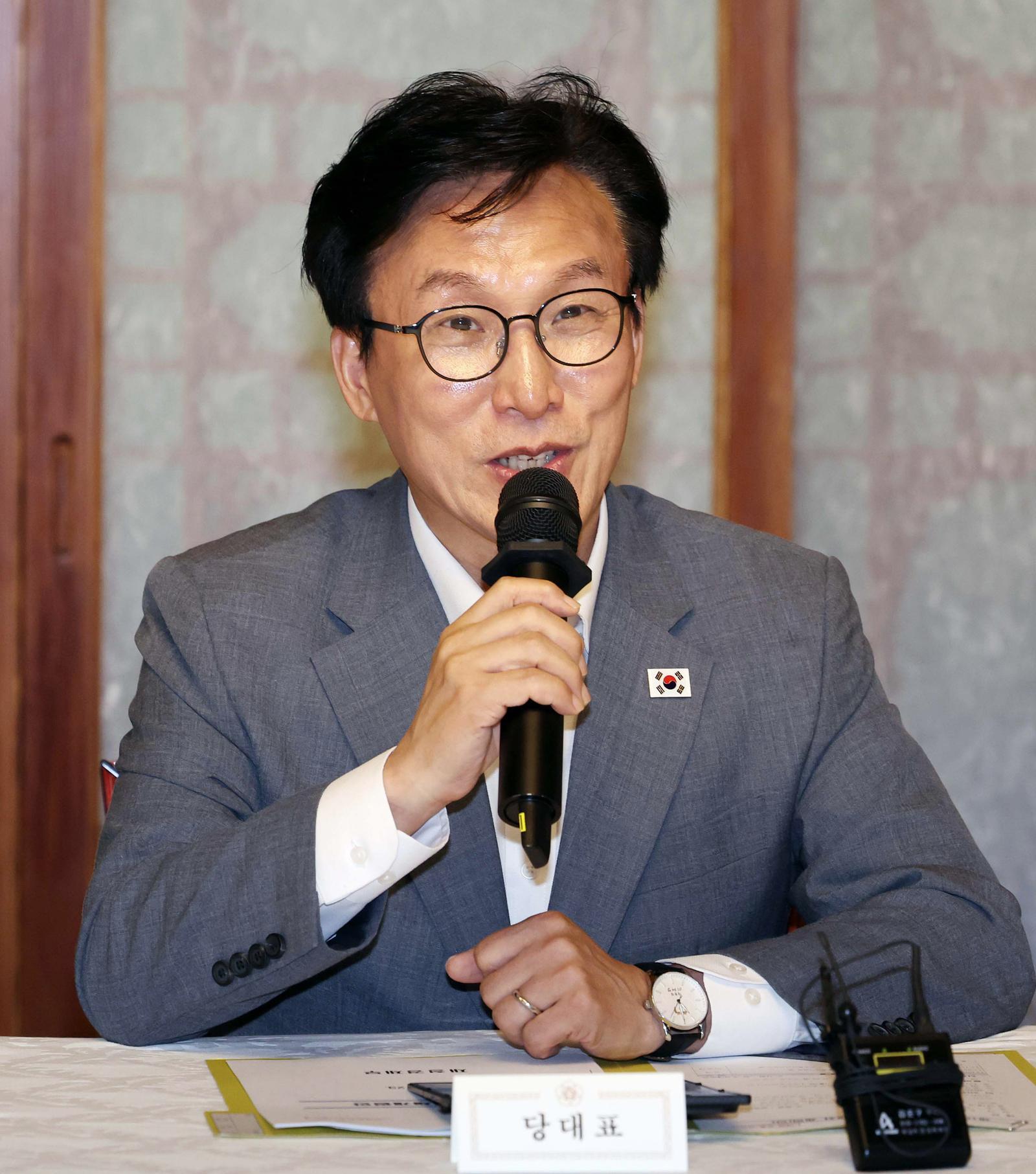
The Democratic Party of Korea acknowledges the goals of the government's proposed real estate tax reforms but is facing intense public backlash, according to Park Sung-joon, the party's senior spokesperson. He stated on March 24 that while the party leadership understands the intent of the tax measures, "politics is the closest point of contact with public sentiment, and we judge that the current public resistance is severe."
From the perspective of the party leader or leadership, we sympathize with the intent of the real estate (tax) that the government has put forth, but politics is the closest point of contact with public sentiment, and we judge that the current public resistance is severe.
The party had previously made a strong request during a high-level party-government consultation meeting to revise the comprehensive real estate holding tax. They specifically asked that the plan no longer distinguish between homeowners based on whether they live in the property or not. This indicates a significant internal pushback against the government's initial proposal.
Park elaborated on the concerns, using his own constituency, Seoul's Jung-Seongdong B, as an example. He noted that policies need public acceptance, and he has heard that public sentiment is "not insignificant." He specifically highlighted that lawmakers representing Seoul are "very sensitive" to real estate and tax issues. This sensitivity extends to party leader Kim Min-seok, who also represents a Seoul district. Park suggested that the leadership concluded that passing the tax plan as is would lead to considerable public discontent.
Policies need to have acceptance, but we heard that public sentiment is not insignificant. Especially, lawmakers in Seoul are very sensitive about real estate, particularly taxes.
Park clarified that the party's "strong request" at the meeting was not merely a suggestion for discussion but a firm communication of what they believe needs to be done. He acknowledged that the government might find this situation "quite awkward" given they have already presented their stance. Park anticipates that the coordination process to reconcile these differing views will occur this week.
So, judging that if this tax plan is passed as is, public sentiment will not be insignificant, the party leader, who is also in the Seoul area, made that judgment.
Separately, Park addressed the pending "Special Prosecutor Act for Fabricated Indictments" in the National Assembly's Legislation and Judiciary Committee. He mentioned that committee members asked him about the optimal timing for passing the bill, given the special committee's findings on alleged prosecutorial misconduct. Park conveyed his personal view that it would be appropriate to pass the bill when the regular parliamentary session begins in September. When asked if the special prosecutor would have the authority to withdraw indictments, Park stated that this issue has already been thoroughly discussed in the committee.
What we said yesterday at the high-level party-government meeting, that the party strongly requested, was not just a simple discussion or deliberation, but a message conveyed that this is something that should be done.
DistantNews Editorial
Originally published by Hankyoreh in Korean. Translated, summarized, and contextualized by our editorial team with added local perspective. Read our editorial standards.
More Stories

From Our Blog

What Gets Lost (and Found) When News Is Translated

The Critical Role of Diaspora Media in Global News

What Travellers Should Know About Countries with Restricted Press

A Digital Nomad's Guide to Following Local News

How the Same Story Looks Different in Different Countries
