


Dengue fever surge in Vietnam breaks old patterns, experts say
Translated from Vietnamese, summarized and contextualized by DistantNews.
At a glance
News
Named sources
Context piece
- Vietnam has recorded over 50,000 dengue fever cases in the first five months of 2026, a 2.5-fold increase compared to the same period last year.
- Experts attribute the surge to climate change, rapid urbanization, and unpredictable disease patterns, noting that dengue is no longer confined to specific regions or age groups.
- The rising number of severe cases and associated treatment costs are placing a significant burden on the healthcare system and affected families.
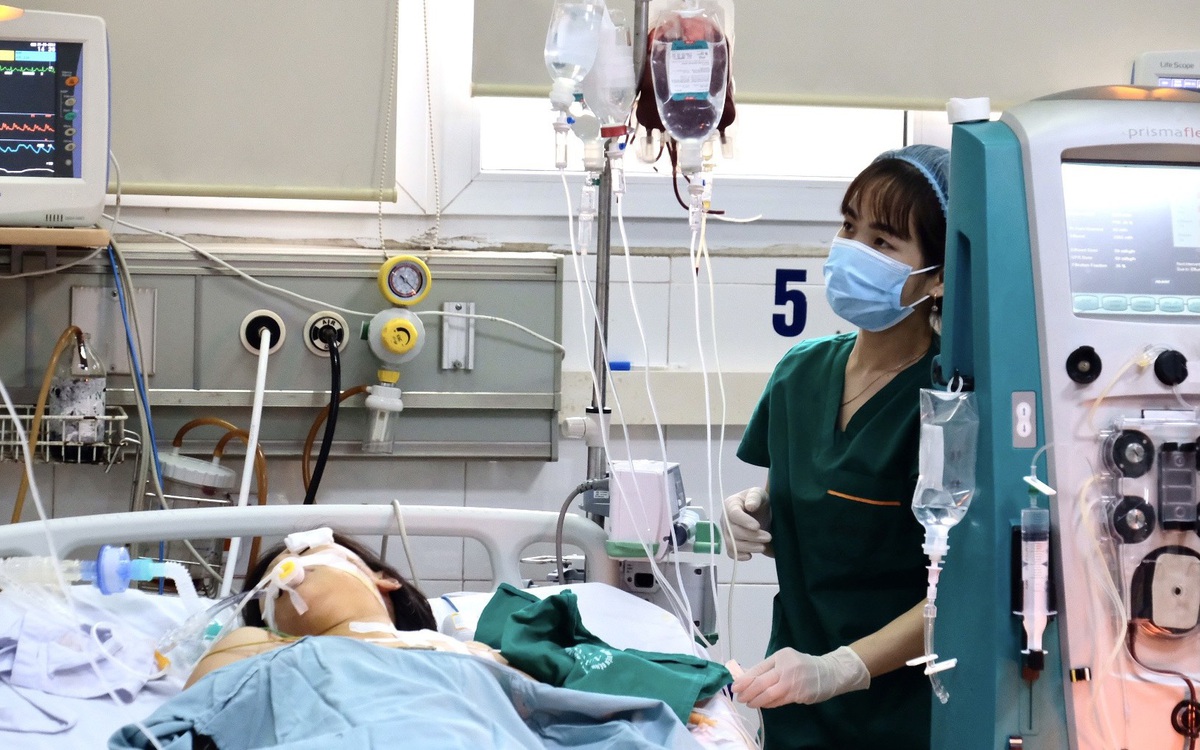
Dengue fever is exhibiting unpredictable behavior in Vietnam, with over 50,000 cases reported in the first five months of 2026, a 2.5-fold increase from the previous year. Experts warn that the disease is breaking old patterns, appearing in regions previously unaffected and affecting all age groups. The traditional seasonal decline has also shifted, with cases remaining high into late December.
Dengue fever is exhibiting unpredictable behavior in Vietnam.
Climate change, rapid urbanization, and increasingly unpredictable disease patterns are identified as key factors fueling the surge. These conditions create a favorable environment for the Aedes aegypti mosquito, the primary vector for dengue. The dominance of the DENV-2 serotype is also contributing to a rise in severe cases.
The weather is hot and humid, interspersed with prolonged rain, creating favorable conditions for the development of disease-carrying mosquitoes.
The burden of dengue extends beyond the sheer number of infections. Previously concentrated among children under 15 in the South, the disease now affects children and adults almost equally across the country. This shift means any family member is at risk. A significant challenge remains public complacency, with many underestimating the risk or self-medicating, delaying critical treatment.
Many people know about dengue fever but think the disease 'won't happen to them,' self-medicate when they have a fever, or think young people have a low risk of complications.
The disease's progression can be deceptive. While fever may subside around the third to fifth day, this is often when patients are most vulnerable to shock, severe bleeding, and multi-organ failure. Delayed diagnosis can be fatal. Survivors may face long-term consequences like memory loss, insomnia, depression, and hair loss. For severe cases requiring intensive care like dialysis or mechanical ventilation, treatment costs can reach hundreds of millions of Vietnamese dong, straining both the healthcare system and families.
The period from the 3rd to the 5th day, when the fever decreases and the patient thinks they have recovered, is actually the time when it is most likely to become severe, with the risk of shock, severe bleeding, and multi-organ failure.
DistantNews Editorial
Originally published by Tuổi Trẻ in Vietnamese. Translated, summarized, and contextualized by our editorial team with added local perspective. Read our editorial standards.
More Stories

From Our Blog

What Gets Lost (and Found) When News Is Translated

The Critical Role of Diaspora Media in Global News

What Travellers Should Know About Countries with Restricted Press

A Digital Nomad's Guide to Following Local News

How the Same Story Looks Different in Different Countries
