

,xPosition=.5,yPosition=.5;Resize=(1200,675)&impolicy=medium)
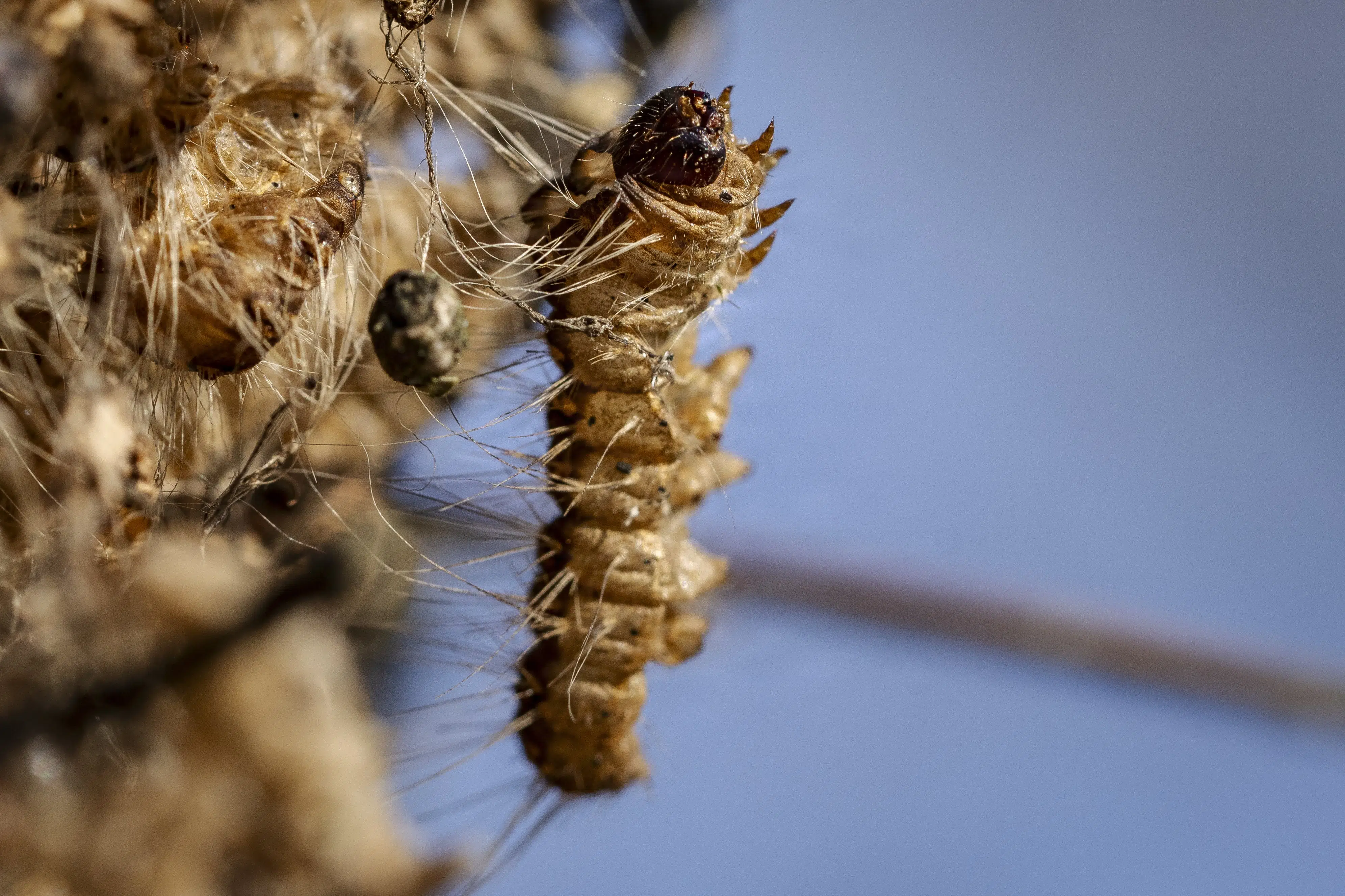
Denmark pest control firm uses international experience for oak moth larvae
Translated from Danish, summarized and contextualized by DistantNews.
At a glance
News
Sources not specified
Context piece
- Pest control companies are using international experience to combat the oak processionary moth in Odense, Denmark.
- The larvae's hairs can cause skin rashes, eye irritation, and breathing difficulties, leading the municipality to restrict access to certain public areas.
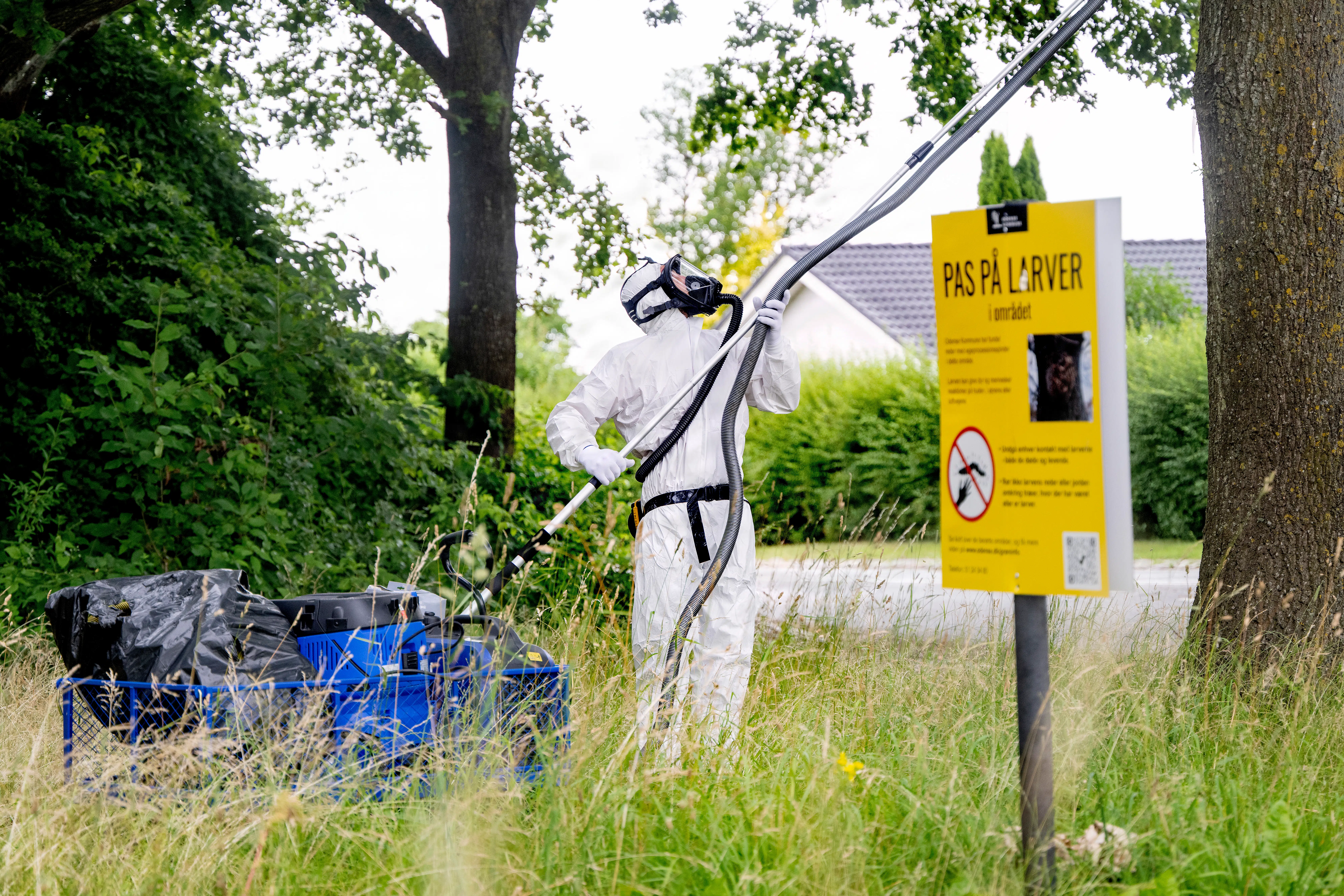
- Rentokil, a pest control firm, employs vacuuming methods and utilizes protective gear due to the hazardous nature and widespread presence of the larvae.
Pest control companies are drawing on international expertise to tackle the growing problem of the oak processionary moth in Odense, Denmark. Maria Brix Balle, biologist and technical manager at Rentokil, explained at a town meeting that the firm's experience in Germany, the Netherlands, and England is crucial for managing this relatively new phenomenon in Denmark.
The problem is that it is a new phenomenon in Denmark, so there are very few companies that can bid for the task. We can because we have departments in Germany, the Netherlands, and England, so we have been able to draw on their experiences.
Balle described the task as demanding, requiring pest control technicians to wear protective equipment due to the hazardous nature of the larvae. The sheer volume of larvae and the widespread infestation across oak trees present significant challenges. Rentokil utilizes vacuuming as a method for removing the larvae, particularly in sensitive areas like those with electrical installations where hot water or foam cannot be safely applied.
Odense Municipality organized the town meeting after numerous residents reported being affected by the caterpillars' irritating hairs, commonly referred to as the "worm from hell." The municipality has consequently advised against using specific sidewalks and bike paths where the infestation is severe. Direct contact with the larvae or exposure to their airborne hairs can lead to symptoms such as skin rashes, eye irritation, and, in rare cases, respiratory problems.
And then the amount of larvae and oak trees is just very, very large.
The oak processionary moth typically inhabits Central and Southern Europe. It is believed to have arrived in Odense via imported trees. The meeting, which also included representatives from the municipality, the Danish Patient Safety Authority, and Odense University Hospital's Allergy Center, provided residents with vital information about the pest and the control measures being implemented.
The problem is that you cannot use foam or almost boiling water near, for example, electrical installations. And these larvae are, after all, everywhere.
DistantNews Editorial
Originally published by Berlingske in Danish. Translated, summarized, and contextualized by our editorial team with added local perspective. Read our editorial standards.
More Stories


From Our Blog

What Gets Lost (and Found) When News Is Translated

The Critical Role of Diaspora Media in Global News

What Travellers Should Know About Countries with Restricted Press

A Digital Nomad's Guide to Following Local News

How the Same Story Looks Different in Different Countries
