

Pesticides Are Not Without Toxicity, Regardless of What Two Professors Say
Translated from Danish, summarized and contextualized by DistantNews.
At a glance
Analysis
Named sources
Context piece
- Two professors argue against a proposed pesticide ban in Danish agricultural areas, calling it an "over-the-top" precaution.
- They claim pesticides in groundwater do not pose a health risk and banning them would be costly.
- Their views contrast with concerns about drinking water safety and environmental sustainability.
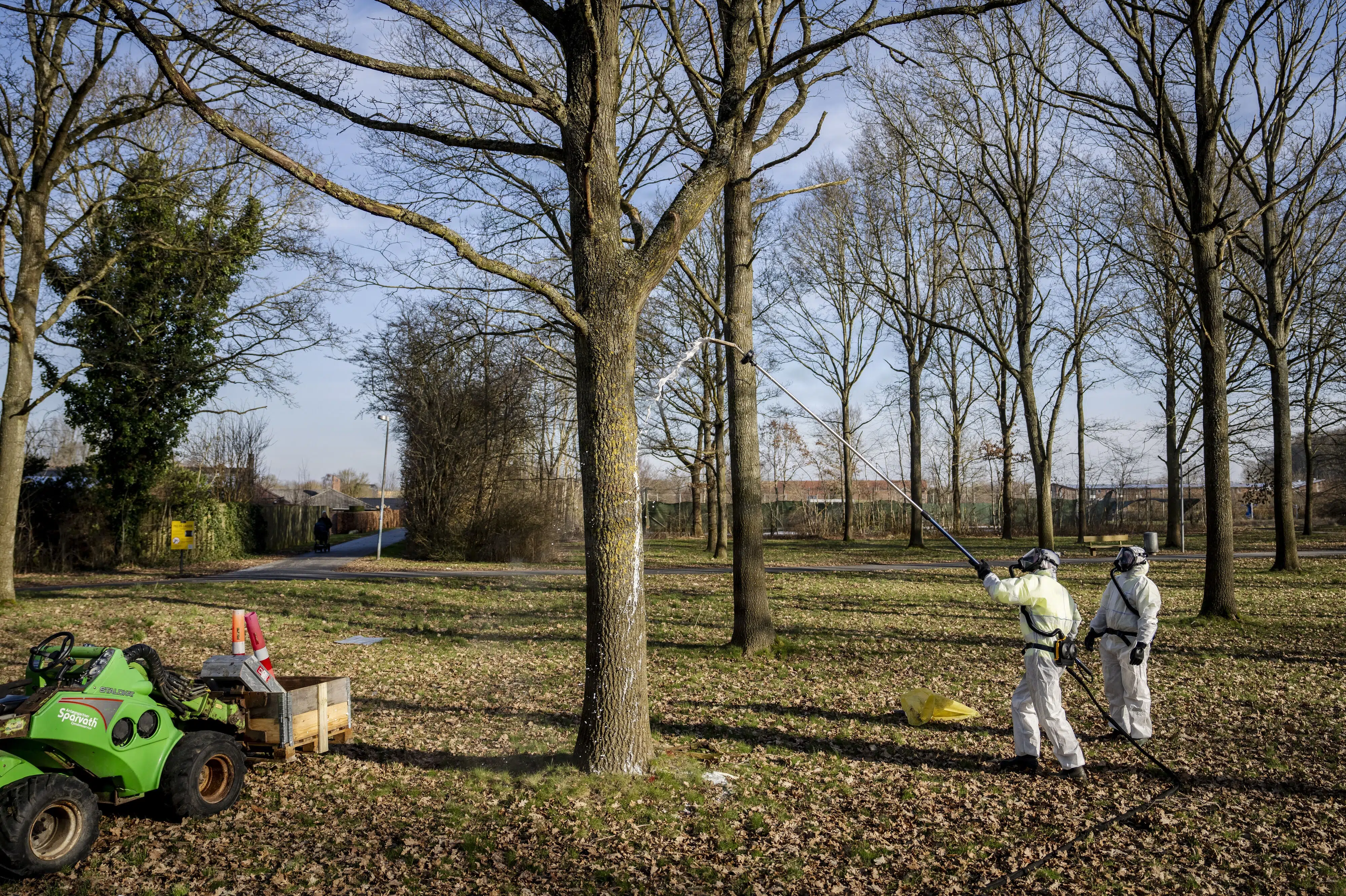
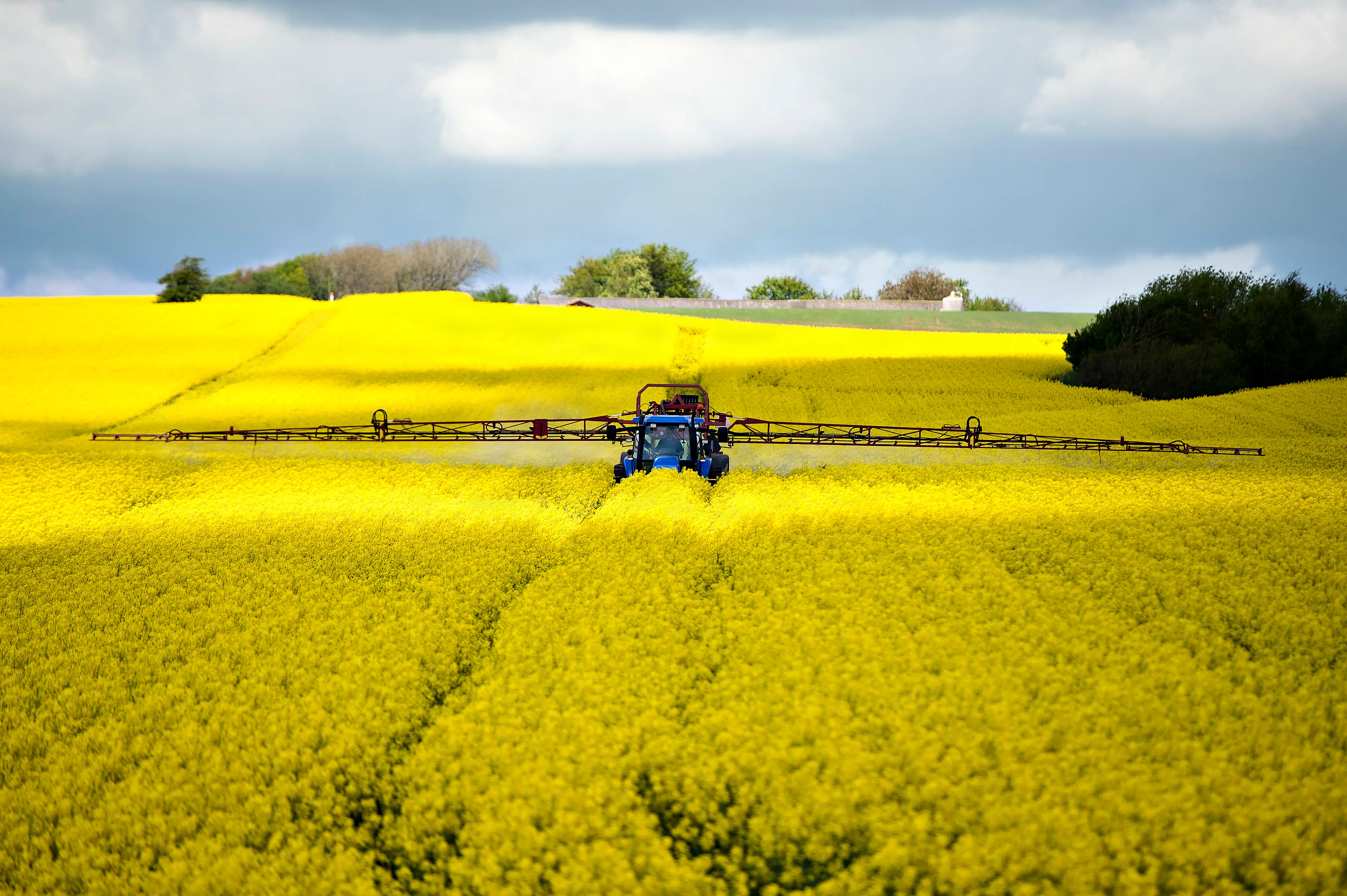
Professors Nina Cedergreen and Jørgen E. Olesen have publicly challenged the necessity of a national pesticide ban in Danish agricultural zones, particularly those supplying drinking water. In a recent interview, Cedergreen described the idea of a ban as an "over-the-top" application of the precautionary principle, suggesting it would be a "waste of money."
It is not, on the contrary, timely care, believe Hans Jørn Kolmos and Kjeld Hansen.
Olesen echoed these sentiments, characterizing pesticides in groundwater as a "thought problem" and asserting that, from a health perspective, they do not constitute a significant issue. Both professors argue that implementing such a ban would be considerably more expensive than the potential costs associated with purifying drinking water.
It will be significantly more expensive to purify our drinking water than to introduce a spray ban, believe Hans Jørn Kolmos and Kjeld Hansen.
Their statements appear to counter growing concerns about the presence of pesticides in the environment and their potential long-term effects on public health and ecosystems. The debate highlights a divergence in scientific opinion regarding risk assessment and the appropriate level of precaution in agricultural practices.
Professor Nina Cedergreen calls it exaggerated to introduce a spray ban.
DistantNews Editorial
Originally published by Berlingske in Danish. Translated, summarized, and contextualized by our editorial team with added local perspective. Read our editorial standards.
More Stories


From Our Blog

What Gets Lost (and Found) When News Is Translated

The Critical Role of Diaspora Media in Global News

What Travellers Should Know About Countries with Restricted Press

A Digital Nomad's Guide to Following Local News

How the Same Story Looks Different in Different Countries
