

Denmark's pollen season lengthens and intensifies, but solutions are readily available
Translated from Danish, summarized and contextualized by DistantNews.
At a glance
Opinion
Named sources
Context piece
- The pollen season in Denmark is becoming longer and more intense, affecting over a million people with allergies.
- Municipalities can significantly reduce discomfort by choosing more allergy-friendly plants for public spaces.
- Thoughtful planting can mitigate pollen-related health issues like hay fever and asthma without compromising biodiversity.
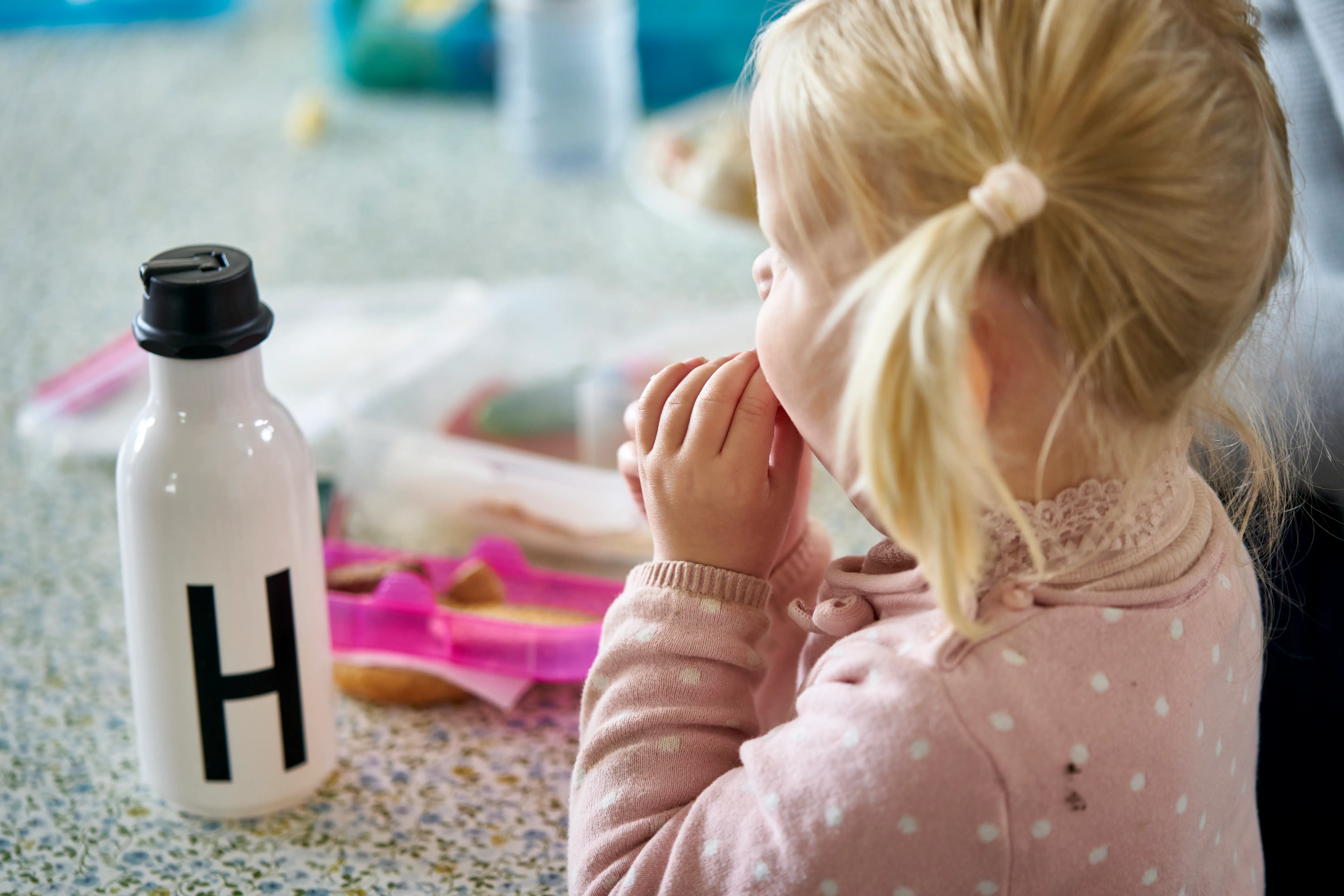
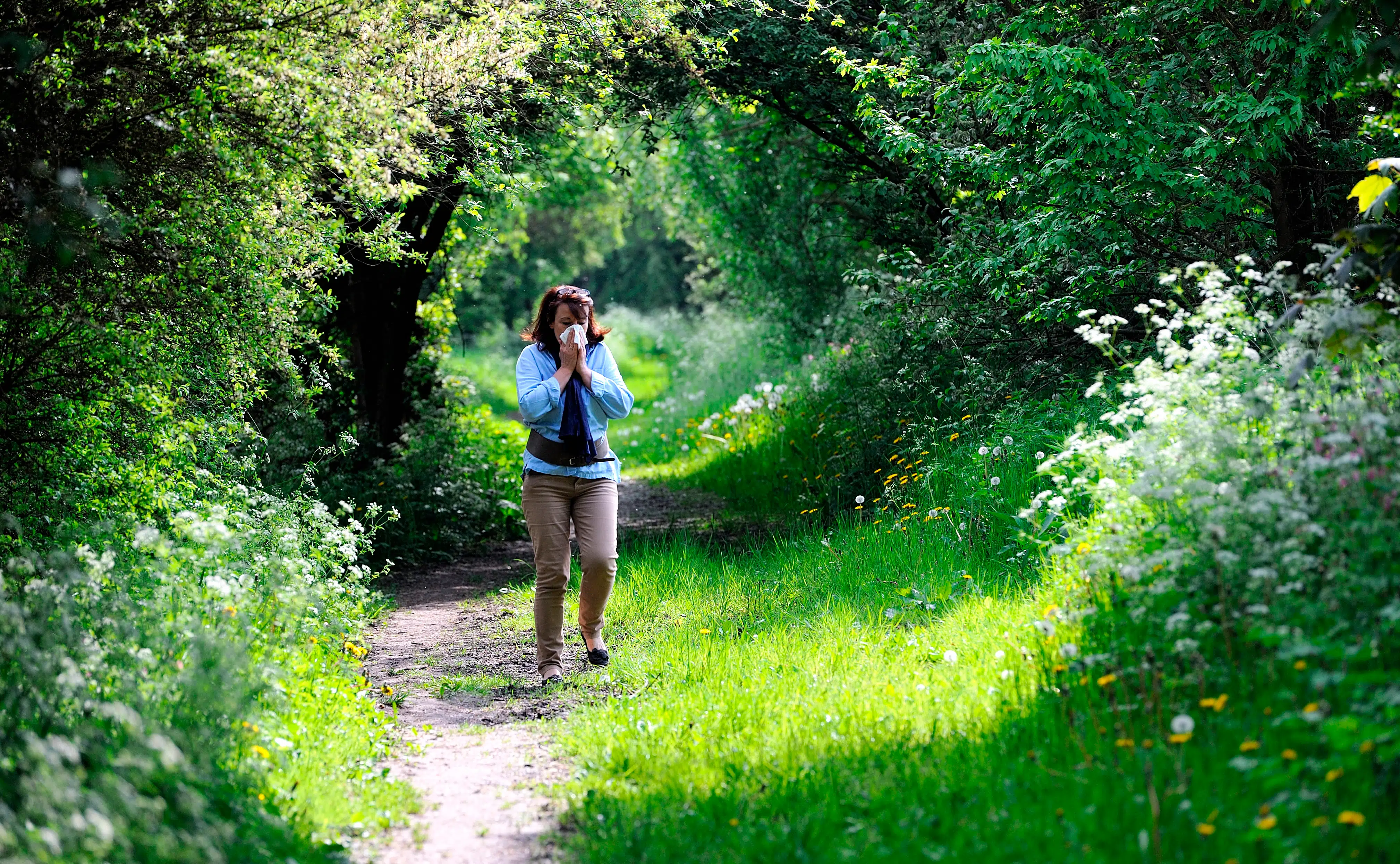
Denmark's pollen season is intensifying and lengthening, causing significant distress for over a million residents who suffer from pollen allergies. However, experts suggest that municipalities hold a key to alleviating these widespread symptoms through strategic urban planning.
According to Astma-Allergi Danmark, a more considered approach to planting in public areas can substantially reduce the amount of airborne pollen. This involves selecting plant species that are less allergenic, thereby minimizing triggers for hay fever and asthma. The organization emphasizes that these choices do not necessitate a sacrifice in biodiversity.
The pollen season has become both longer and more intense, and more than a million Danes suffer from pollen allergy.
The presence of increased pollen levels directly impacts public health, leading to flu-like symptoms for many when they venture outdoors. The director of Astma-Allergi Danmark, Anne Holm Hansen, highlights the pervasive nature of these allergens, affecting neighbors, colleagues, and individuals simply cycling through their neighborhoods.
By actively choosing more allergy-friendly vegetation, Danish municipalities can create more comfortable environments for their residents during the spring and summer months. This proactive measure addresses a significant public health concern and improves the quality of life for a substantial portion of the population.
Municipalities can, however, significantly reduce the discomfort by choosing more allergy-friendly planting.
DistantNews Editorial
Originally published by Berlingske in Danish. Translated, summarized, and contextualized by our editorial team with added local perspective. Read our editorial standards.
More Stories


From Our Blog

What Gets Lost (and Found) When News Is Translated

The Critical Role of Diaspora Media in Global News

What Travellers Should Know About Countries with Restricted Press

A Digital Nomad's Guide to Following Local News

How the Same Story Looks Different in Different Countries
