


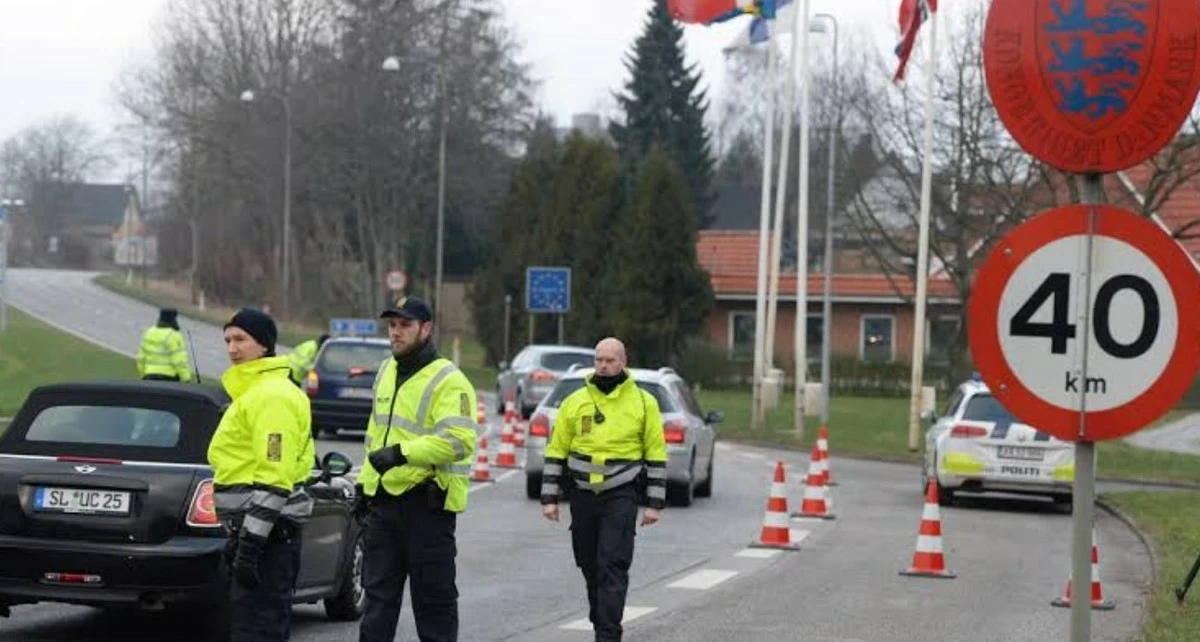
Denmark Threatens Rapid Border Controls Amid Ceuta Migrant Crisis
Translated from English, summarized and contextualized by DistantNews.
At a glance
News
Named sources
Ongoing story
- Denmark is prepared to implement strict border controls within hours if migrant flows shift towards Europe.
- Prime Minister Mette Frederiksen cited the "disturbing" situation in Spain's Ceuta enclave as a cause for concern.
- The government is monitoring the situation closely and will not hesitate to take necessary measures to manage potential migrant surges.
Denmark is on high alert and ready to impose significant border controls within hours should migrant movements begin to redirect towards Europe. Prime Minister Mette Frederiksen stated Wednesday that the escalating situation in Spain's North African enclave of Ceuta is a cause for serious concern.
Speaking during a parliamentary debate, Frederiksen described the events in Ceuta as "disturbing" and reiterated Denmark's commitment to maintaining strict immigration policies. She emphasized that the government is closely monitoring the developments and is prepared to act swiftly if migrant flows spread across the continent.
We continue to monitor the situation extremely closely.
"We continue to monitor the situation extremely closely," Frederiksen told lawmakers. She assured that her government would "not hesitate for a second" to enact necessary measures if the situation warrants. Border controls could be strengthened with minimal notice, and Frederiksen indicated support for closing Europe's external borders in exceptional circumstances.
We will not hesitate for a second to take the necessary measures.
The Danish parliamentary discussion occurred amidst growing apprehension that migrants who reached Ceuta might attempt to proceed to other European nations. Opposition parties have called for permanent border controls, while the Danish People's Party has advocated for Denmark's withdrawal from the Schengen Area, which facilitates passport-free travel.
Between July 29 and July 31, tens of thousands of Moroccans massed near Ceuta's border fence, an event authorities characterized as the enclave's largest irregular migration attempt. While most have since returned to Morocco, Ceuta authorities reported on Monday that an estimated 3,000 to 5,000 migrants remained within the enclave, with over 69,000 having returned to Morocco.
Denmark supported the idea of being able to close the border.
DistantNews Editorial
Originally published by Arab Times in English. Translated, summarized, and contextualized by our editorial team with added local perspective. Read our editorial standards.
More Stories


From Our Blog

What Gets Lost (and Found) When News Is Translated

The Critical Role of Diaspora Media in Global News

What Travellers Should Know About Countries with Restricted Press

A Digital Nomad's Guide to Following Local News

How the Same Story Looks Different in Different Countries
