


Deposit tax on returned bottles? Finance Ministry: It must be paid in certain situations
Translated from Polish, summarized and contextualized by DistantNews.
At a glance
News
Sources not specified
Context piece
- Poland's Ministry of Finance clarified tax obligations related to the deposit return system for beverage packaging.
- Individuals returning packaging they purchased typically do not owe income tax on the refunded deposit.
- However, deposits from packaging obtained through other means, like found bottles or restaurant waste, may be taxable.
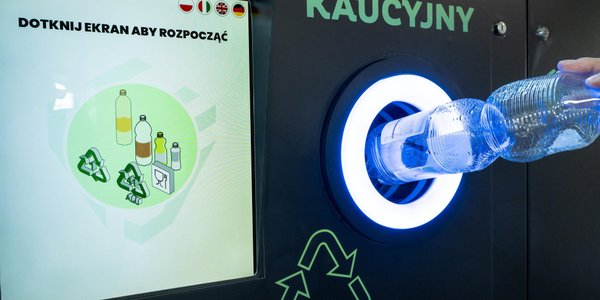
Poland's Ministry of Finance has clarified the tax implications of the country's deposit return system for beverage packaging. The system, set to fully launch on October 1, 2025, requires a 50 grosz deposit on plastic bottles (up to 3 liters) and metal cans (up to 1 liter), with a 1 złoty deposit for reusable glass bottles (up to 1.5 liters) starting in 2026.
For individuals who purchase beverages and later return the packaging, the refunded deposit is considered a return of their own expense and is not subject to personal income tax (PIT). This applies to standard returns where consumers bring back the bottles or cans they bought.
The situation changes if the returned packaging was not originally purchased by the individual. The Ministry stated that if the obtained deposit is not a return of a personal expense, it could create a tax liability under Poland's PIT law, which taxes all types of income unless specifically exempted. The Ministry emphasized that each case would be assessed individually.
Recent statements from government officials have aimed to reassure the public. Climate and Environment Minister Paulina Hennig-Kloska previously stated there would be no tax on the deposit system itself, clarifying that VAT is paid only by operators on unreturned deposits. Deputy Finance Minister Marcin Łoboda also noted that simply collecting bottles for return does not constitute business activity unless people are hired for the task.
(…) w przypadku, gdy uzyskane świadczenie nie ma charakteru zwrotnego, czyli osoba, która je uzyskała, nie odzyskuje w ten sposób swojego wydatku, to może to rodzić obowiązek podatkowy w podatku PIT. Na gruncie ustawy PIT obowiązuje bowiem zasada powszechności opodatkowania. Oznacza to, że opodatkowaniu podatkiem dochodowym podlegają wszelkiego rodzaju dochody, z wyjątkiem dochodów zwolnionych z opodatkowania
DistantNews Editorial
Originally published by Rzeczpospolita in Polish. Translated, summarized, and contextualized by our editorial team with added local perspective. Read our editorial standards.
More Stories



From Our Blog

What Gets Lost (and Found) When News Is Translated

The Critical Role of Diaspora Media in Global News

What Travellers Should Know About Countries with Restricted Press

A Digital Nomad's Guide to Following Local News

How the Same Story Looks Different in Different Countries
