

Deutsche Bahn: What the End of the Hamburg-Berlin Line Closure Means
Translated from German, summarized and contextualized by DistantNews.
At a glance
News
Sources not specified
Outcome reported
- The crucial Hamburg-Berlin rail line has reopened after a lengthy renovation, significantly reducing travel times for thousands of passengers.
- The 278-kilometer route underwent extensive modernization, including track and overhead line upgrades, and improvements to 28 stations.
- Despite the reopening, some final technical checks and slower train speeds will persist for the first two weeks.
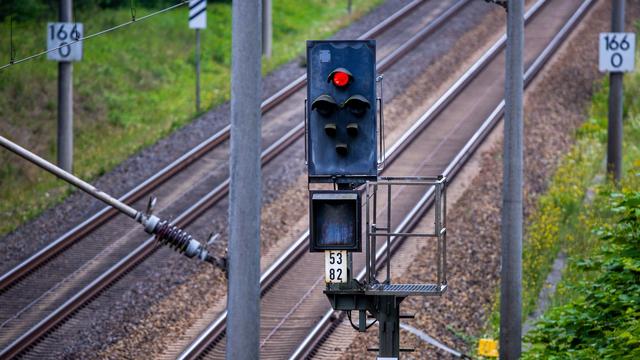
The vital rail connection between Germany's two largest cities, Hamburg and Berlin, is set to fully reopen, ending a prolonged closure that has impacted approximately 30,000 daily passengers. The 278-kilometer stretch, which has been under renovation since August, will once again offer significantly shorter travel times.
During the closure, travelers faced extended journeys, with trains rerouted via Uelzen and Stendal, adding about 45 minutes to the trip. Replacement buses were used on the previous route between Wittenberge and Ludwigslust. However, even after the reopening, some residual issues remain. The Bahn (German Rail) indicates that final approvals for new signaling and control technology between Hagenow Land and Berlin-Spandau are still pending. Additionally, load and acceptance tests are ongoing.
Consequently, long-distance trains will operate at reduced speeds for the initial two weeks following the line's reopening. The extensive modernization efforts included upgrading 226 kilometers of track, installing 249 switches, and working on 25 kilometers of overhead lines and a bridge in Ludwigslust. Passengers will also notice improvements at 28 stations along the route, including the installation of mobile communication masts to enhance cell reception.
The experience on the modernized Riedbahn line between Frankfurt and Mannheim serves as a benchmark, demonstrating the potential for significant infrastructure improvements. The renovation of the Hamburg-Berlin line is part of a broader effort to modernize Germany's rail network, which faces ongoing challenges with numerous other construction sites and planned upgrades across the country.
DistantNews Editorial
Originally published by Die Zeit in German. Translated, summarized, and contextualized by our editorial team with added local perspective. Read our editorial standards.
More Stories
From Our Blog

What Gets Lost (and Found) When News Is Translated

How the Same Story Looks Different in Different Countries

The Critical Role of Diaspora Media in Global News

What Travellers Should Know About Countries with Restricted Press

A Digital Nomad's Guide to Following Local News
