

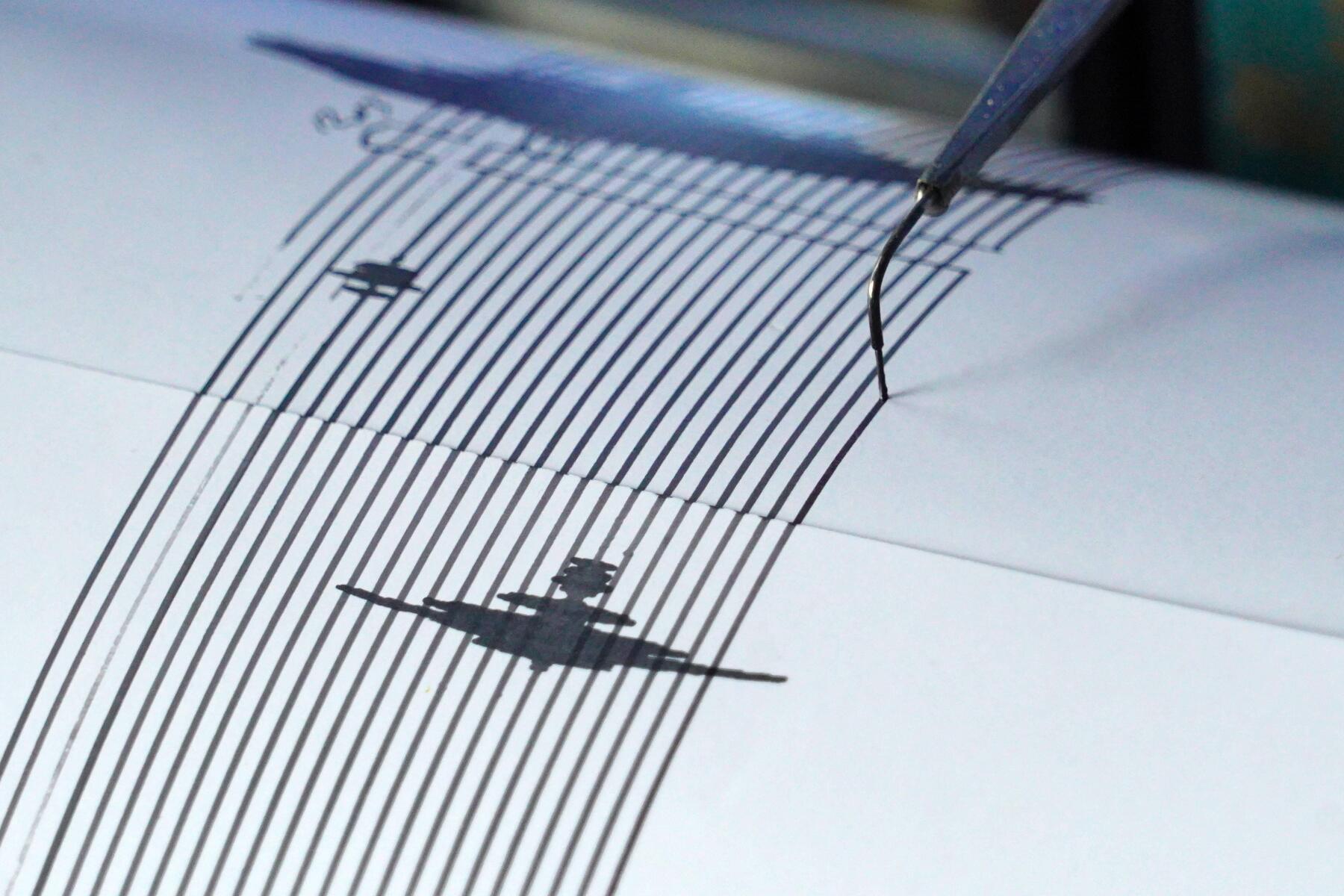
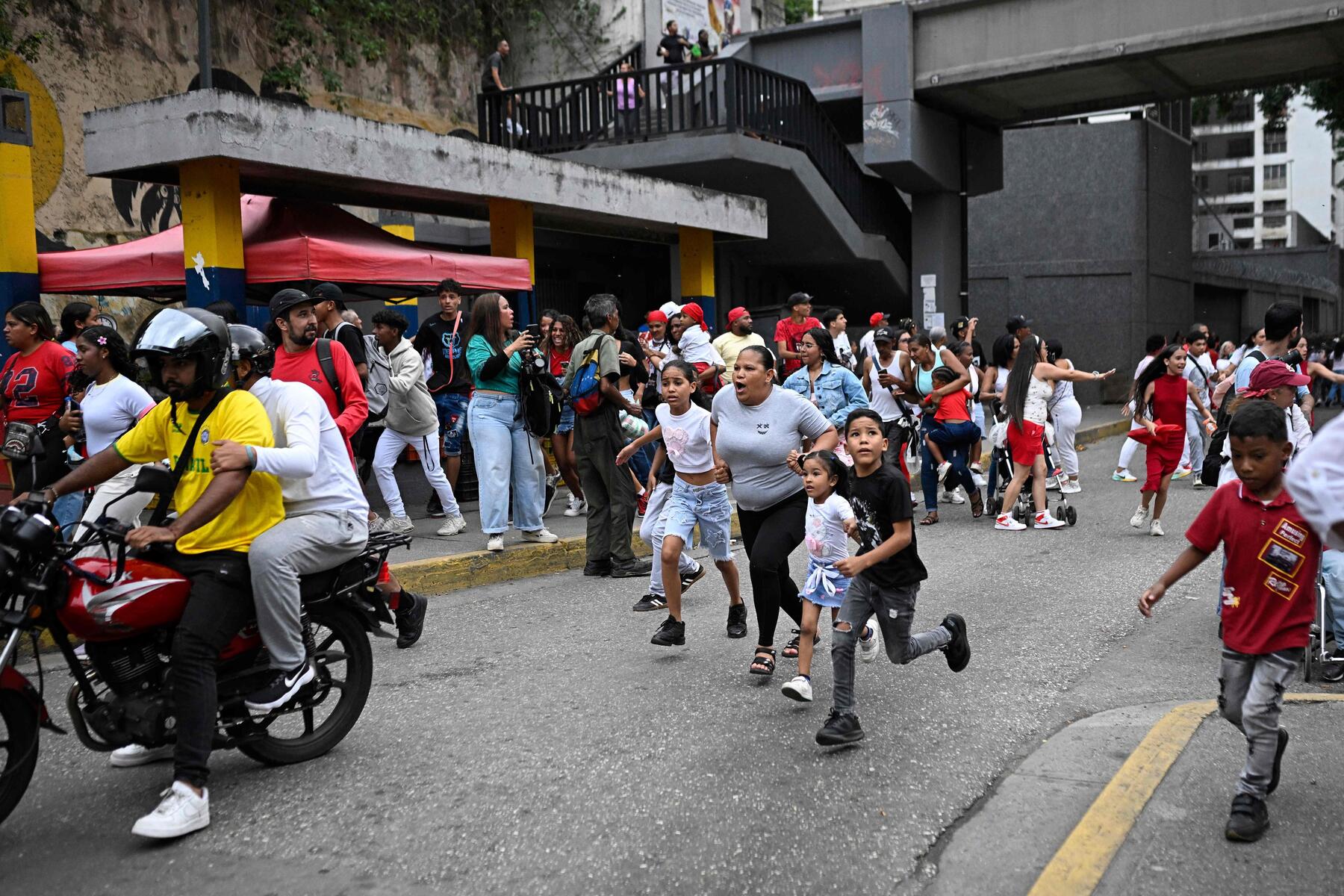
Devastating earthquake hits Venezuela, raising fears about nation's ability to cope with disaster
Translated from German, summarized and contextualized by DistantNews.
At a glance
News
Sources not specified
Ongoing story
- Venezuela's infrastructure is crumbling, with frequent power and water outages, and a shortage of medical supplies.
- A devastating earthquake, with magnitudes of 7.2 and 7.5, struck the country, causing significant damage and at least 32 deaths.
- The nation's capacity to handle such a disaster is questioned due to widespread decay and a mass exodus of skilled professionals.
The lights flickered, then the high-rise began to sway. As Adriana Meneses crawled under her dining table, she heard the crash of breaking glass and the rumble of toppling furniture.
"I experienced the 1967 earthquake as a child," the resident of Caracas's La Floresta neighborhood later recounted. "But this was stronger." Almost simultaneously, millions in the Venezuelan capital rushed into the streets. Office workers fled their towers, and patients were evacuated from clinics. Thousands stood barefoot, gazing upward, anxiously wondering if their homes would survive the next few minutes.
Within 39 seconds, two powerful earthquakes shook Venezuela. The U.S. Geological Survey registered the tremors at magnitudes 7.2 and 7.5, making them among the strongest globally this year. Compounding the disaster, the epicenter was in the densely populated Carabobo state, just 300 kilometers west of Caracas. The stronger quake also originated at a shallow depth of only ten kilometers, a scenario that seismologists fear, as it amplifies destructive power at the surface.
I experienced the 1967 earthquake as a child. But this was stronger.
However, the immediate question on many minds was not the earthquake's intensity, but Venezuela's ability to cope with such a catastrophe. The South American nation has been suffering from decades of infrastructure decay. Power outages are routine in many regions, water supply is often intermittent, and hospitals struggle with chronic shortages of materials. Hundreds of thousands of skilled professionals, including doctors, engineers, and technicians, have fled the country, part of a migration that has seen over eight million Venezuelans leave their homeland, a movement the United Nations describes as one of the largest in recent Latin American history.
As of Thursday morning, the full extent of the damage remained largely unclear. The government declared a national state of emergency. Interior Minister Diosdado Cabello described the situation as "extremely alarming." Several buildings collapsed. In damaged neighborhoods, gas supplies were cut off as a precaution to prevent fires and explosions. So far, 32 deaths have been confirmed, with around 700 people reported injured. Early images circulating on social media showed damaged high-rises, collapsing facades, and people navigating dust clouds. Significant damage was also reported at Caracas's international airport.
extremely alarming situation
DistantNews Editorial
Originally published by Die Presse in German. Translated, summarized, and contextualized by our editorial team with added local perspective. Read our editorial standards.
More Stories


From Our Blog

What Gets Lost (and Found) When News Is Translated

The Critical Role of Diaspora Media in Global News

What Travellers Should Know About Countries with Restricted Press

A Digital Nomad's Guide to Following Local News

How the Same Story Looks Different in Different Countries
