


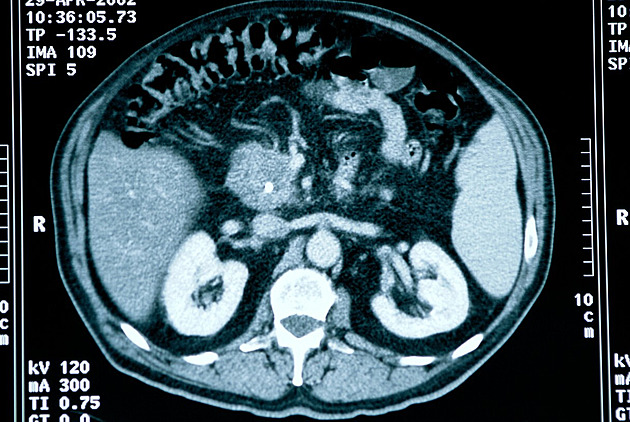
Diabetes and Family History: New Screenings Help Combat Pancreatic Cancer
Translated from Czech, summarized and contextualized by DistantNews.
TLDR
- New screening methods are being introduced to help combat pancreatic cancer.
- These initiatives aim to improve early detection and patient outcomes.
- The program combines genetic testing and family history analysis to identify individuals at higher risk.
In a significant development for public health in the Czech Republic, iDNES.cz reports on new initiatives aimed at tackling pancreatic cancer, a notoriously difficult disease to treat. The focus is on proactive measures, combining genetic predispositions with family history to identify individuals who could benefit most from early screening. This approach represents a crucial step forward in a country where cancer survival rates are a constant concern.
Pancreatic cancer carries a grim prognosis, often diagnosed at late stages when treatment options are limited. The introduction of these specialized check-ups, as detailed in the article, offers a glimmer of hope. By looking at both inherited risk factors and familial patterns, doctors can potentially catch the disease much earlier, significantly improving the chances of successful treatment and long-term survival. This is a development that resonates deeply within the community, where awareness of cancer's impact is high.
This proactive strategy is particularly important in the Czech context, where healthcare resources are carefully managed. Focusing on high-risk individuals allows for more efficient allocation of diagnostic tools and medical expertise. The emphasis on understanding both genetic markers and family history reflects a modern, personalized approach to medicine that is gaining traction globally, but which holds particular promise for tackling challenging diseases like pancreatic cancer within the Czech healthcare system.
DistantNews Editorial
Originally published by iDNES in Czech. Translated, summarized, and contextualized by our editorial team with added local perspective. Read our editorial standards.
More Stories



From Our Blog

What Gets Lost (and Found) When News Is Translated

The Critical Role of Diaspora Media in Global News

What Travellers Should Know About Countries with Restricted Press

A Digital Nomad's Guide to Following Local News

How the Same Story Looks Different in Different Countries
