


Did Yong Hye-in Break With Convention?
Translated from Korean and summarized by DistantNews. Read the original for the full story.
At a glance
Analysis
Documents & data
Context piece
- Basic Income Party lawmaker Yong Hye-in, nominated as minister of gender equality and family, said she would keep her proportional-representation seat if appointed.
- South Korean law allows lawmakers to serve as ministers, but a convention has developed in which constituency lawmakers keep their seats while proportional lawmakers resign.
- The convention benefits parties rather than voters, while research cited in the article found that ministers serving concurrently as lawmakers introduce fewer bills.
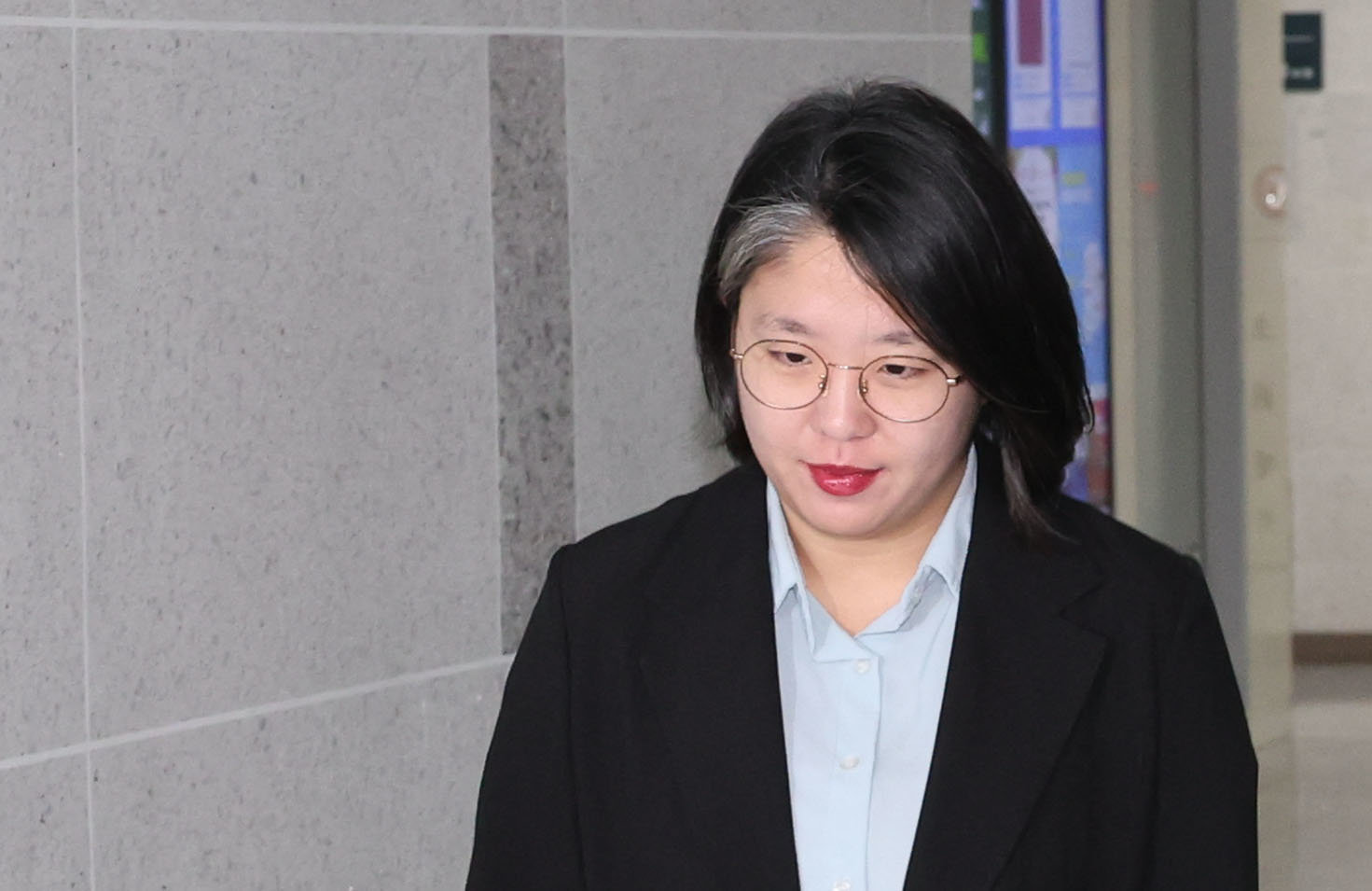
Yong Hye-in says she will become minister of gender equality and family without giving up her proportional-representation seat, challenging a political convention that has long treated the two types of lawmakers differently.
South Korea’s presidential system contains a parliamentary feature: the Constitution and National Assembly Act allow lawmakers to serve as prime minister or minister. Since the confirmation hearing system was introduced in 2000, governments have often nominated sitting lawmakers as ministers. Their status as fellow lawmakers can make sharp questioning during hearings more difficult, while they retain their legislative seats during their ministerial service.
The convention has been practical rather than voter-centered. When a constituency lawmaker resigns, a by-election can reduce the party’s seats. When a proportional lawmaker resigns, the next person on the party list takes the seat, leaving the party’s total unchanged. That distinction helped produce the practice of allowing constituency lawmakers to hold both posts while expecting proportional lawmakers to step down.
The only lawmaker belonging to the party would leave it as an extra-parliamentary party if he resigned.
Yong says resignation would leave the Basic Income Party with no lawmaker and push it outside the legislature. He won election twice through a satellite party created by the Democratic Party to pursue proportional seats. If he resigns, the seat would pass to a Democratic Party nominee, while the Basic Income Party would lose state subsidies and political visibility. The article argues that criticism of Yong’s decision has some basis, but that his choice also follows the hidden logic of protecting a party’s interests.
The larger question is whether holding both jobs serves voters. A 2019 study by the National Assembly Research Service found that lawmakers concurrently serving as administrative ministers introduced 14.5 fewer bills as lead sponsors. Former Defense Minister Shin Won-sik wrote in his resignation letter that serving as a cabinet member made it difficult to perform both roles. President Lee Jae-myung also supported a proposal during the presidential campaign to ban lawmakers from simultaneously serving as ministers.
Appointment as a cabinet member makes it difficult to serve concurrently as a lawmaker.
About this summary
Originally published by Hankyoreh in Korean. Translated, summarized, and contextualized automatically by DistantNews, with a note on how the source frames the story. Not individually reviewed before publishing. How this works.
More Stories


From Our Blog

What Gets Lost (and Found) When News Is Translated

The Critical Role of Diaspora Media in Global News

What Travellers Should Know About Countries with Restricted Press

A Digital Nomad's Guide to Following Local News

How the Same Story Looks Different in Different Countries
