


DiDi targets 100,000 electric vehicles in Mexico by 2030
Translated from Spanish, summarized and contextualized by DistantNews.
At a glance
News
Named sources
New plan
- DiDi aims to electrify its fleet in Mexico, targeting 100,000 electric vehicles by 2030.
- The company launched DiDi EVoluciona to connect drivers with electric vehicle options, addressing concerns about range, charging, and cost.
- This initiative is expected to prevent over 500,000 tons of CO₂ emissions.
DiDi is making a significant push to electrify its ride-hailing fleet in Mexico, setting an ambitious goal of having 100,000 electric vehicles by 2030. The company estimates this transition will prevent the emission of over 500,000 tons of CO₂.
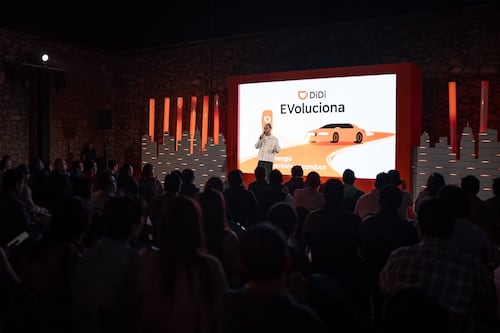
To facilitate this shift, DiDi organized DiDi EVoluciona, an event in Mexico City designed to introduce drivers to electric vehicle technology. The gathering attracted over 600 attendees, including representatives from car manufacturers, fleet operators, and charging infrastructure companies. The event aimed to address key concerns for drivers, such as vehicle range, charging times, and the overall cost of ownership, which are critical factors for daily earnings.
DiDi EVoluciona featured conferences, testimonials from drivers, personalized consultations, and test drives. The initiative acknowledges that using an electric vehicle for commercial purposes differs significantly from personal use. Drivers need practical information on charging locations, recharge durations, available range, and investment options before committing to a potentially substantial financial outlay.
This effort builds on DiDi's existing premium mobility service, DiDi Premier, which already operates with an all-electric fleet. However, persuading thousands of independent drivers to switch from gasoline-powered vehicles presents a considerable challenge. While Mexico is expanding its electric vehicle options and charging infrastructure, successfully integrating EVs into the demanding daily operations of ride-hailing drivers remains a key hurdle.
The company recognizes that simply launching more electric models is insufficient. The success of DiDi's electrification strategy hinges on robust charging infrastructure and accessible financing options for drivers, alongside educating them on the advantages and limitations of electric vehicles in their professional context.
DistantNews Editorial
Originally published by El Universal in Spanish. Translated, summarized, and contextualized by our editorial team with added local perspective. Read our editorial standards.
More Stories


From Our Blog

What Press Freedom Means for the News You Read

What Gets Lost (and Found) When News Is Translated

The Critical Role of Diaspora Media in Global News

What Travellers Should Know About Countries with Restricted Press

A Digital Nomad's Guide to Following Local News
